Ethnic Wear Fashion Trends: Blending Tradition With Modern Style
Fashion is more than clothing—it is a reflection of culture, identity, history, and creativity. Among the many styles that continue influencing global fashion, ethnic wear remains one of the most timeless and celebrated categories. Ethnic wear fashion trends beautifully combine traditional craftsmanship with modern styling, allowing people to honor cultural heritage while embracing contemporary fashion.
Across different regions of the world, ethnic clothing represents centuries of artistry, textiles, embroidery, and cultural symbolism. Today, ethnic wear has evolved beyond traditional occasions and is becoming increasingly popular in everyday fashion, weddings, festivals, office wear, and global runway collections.
Modern designers are blending traditional silhouettes with innovative cuts, fabrics, and styling methods, creating versatile outfits that appeal to younger generations and international audiences alike.
At Daily Inshight Journal, we explore fashion trends, cultural influences, and lifestyle innovations shaping modern wardrobes. In this comprehensive guide, we will discuss everything about ethnic wear fashion trends, including popular styles, modern influences, fabrics, accessories, sustainable fashion, global popularity, and future trends in ethnic fashion.
What Is Ethnic Wear?
Ethnic wear refers to traditional or culturally inspired clothing associated with specific regions, communities, or heritage groups.
Ethnic fashion often includes:
- Traditional fabrics
- Handcrafted embroidery
- Cultural patterns
- Regional silhouettes
- Heritage-inspired accessories
Examples vary across cultures and countries, including:
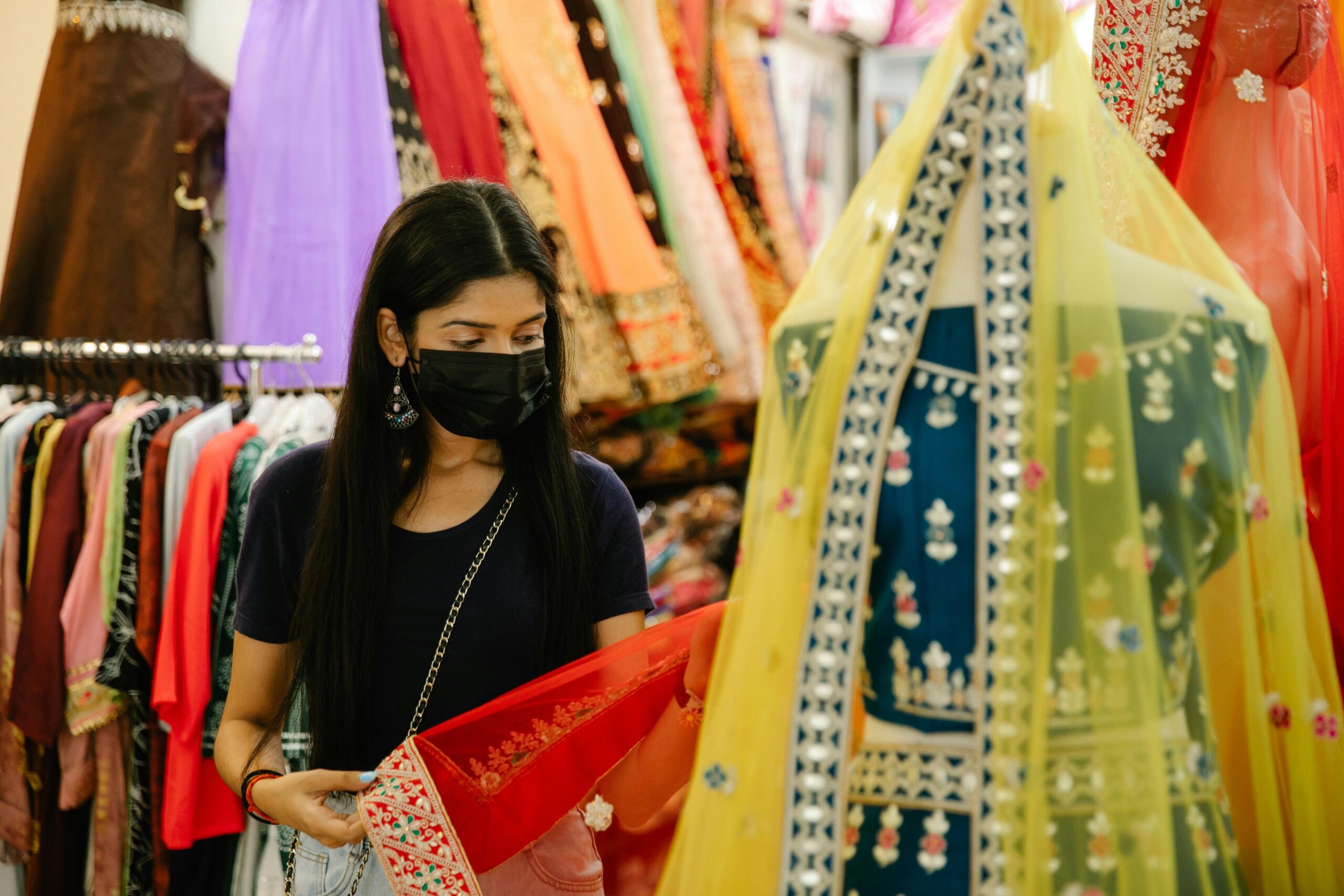
- Sarees
- Kurtas
- Kaftans
- Kimono-inspired styles
- Traditional robes
- Embroidered garments
Ethnic fashion celebrates cultural identity while adapting to modern style preferences.
Why Ethnic Wear Remains Popular
Ethnic fashion continues growing in popularity for several reasons.
Cultural Pride and Identity
Many people wear ethnic clothing to celebrate:
- Heritage
- Festivals
- Family traditions
- Cultural events
Ethnic wear creates a strong emotional and cultural connection.
Timeless Elegance
Traditional clothing often features:
- Rich craftsmanship
- Luxurious fabrics
- Artistic detailing
These elements give ethnic wear timeless appeal.
Modern Fashion Adaptation
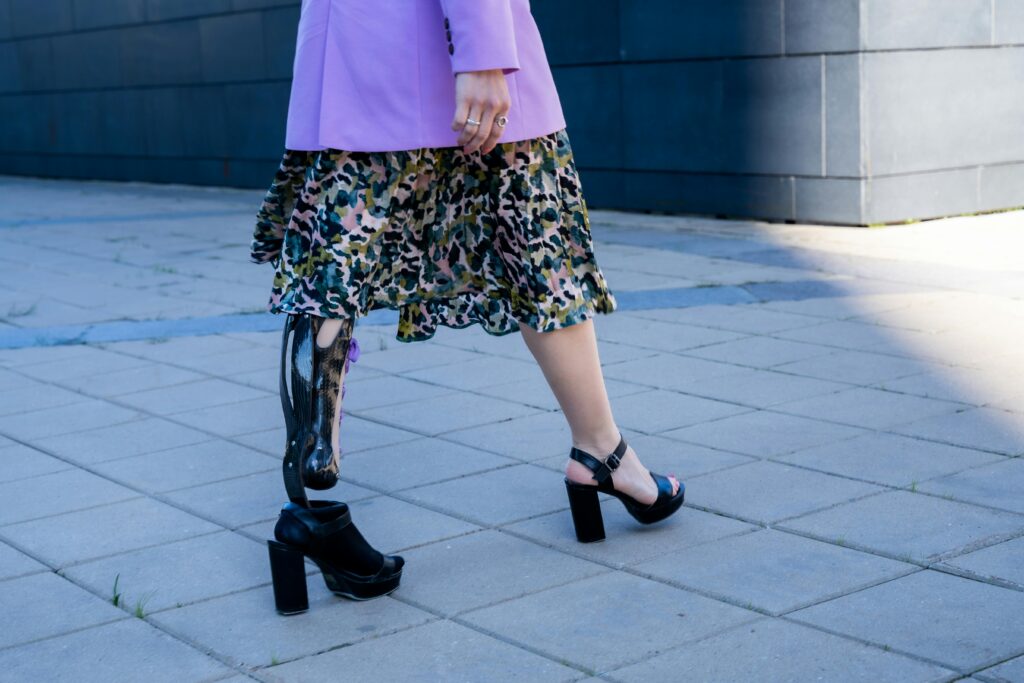
Contemporary designers now blend ethnic styles with:
- Western silhouettes
- Minimalist aesthetics
- Streetwear influences
This makes ethnic fashion more versatile for daily wear.
Comfort and Functionality
Many ethnic garments are designed for:
- Comfort
- Breathability
- Flexibility
Loose silhouettes and natural fabrics remain highly practical.
Social Media and Global Exposure
Digital platforms have introduced ethnic fashion to global audiences.
Fashion influencers and celebrities increasingly showcase:
- Traditional outfits
- Fusion styling
- Cultural fashion inspiration
Popular Ethnic Wear Fashion Trends
Ethnic fashion continues evolving through modern interpretations and creative styling.
Fusion Fashion
Fusion fashion combines ethnic and Western elements.
Popular examples include:
- Sarees with belts
- Sneakers with traditional outfits
- Crop tops with lehengas
- Blazers over ethnic dresses
Fusion styling appeals strongly to younger generations.
Minimalist Ethnic Wear
Modern consumers increasingly prefer:
- Simple embroidery
- Neutral colors
- Clean silhouettes
Minimal ethnic fashion offers elegance with practicality.
Sustainable Handcrafted Fashion
Handmade and artisan-crafted ethnic wear is becoming more popular.
Consumers value:
- Traditional craftsmanship
- Eco-friendly production
- Ethical fashion practices
Handloom textiles and natural fabrics continue gaining attention.
Contemporary Saree Styling
The saree remains one of the most iconic ethnic garments.
Modern saree trends include:
- Pre-stitched sarees
- Lightweight fabrics
- Belted styling
- Ruffled designs
These innovations make sarees easier and more versatile to wear.
Oversized and Relaxed Silhouettes
Comfort-focused ethnic fashion is trending globally.
Popular styles include:
- Loose kurtas
- Flowing kaftans
- Relaxed tunics
These outfits combine elegance with modern comfort.
Gender-Neutral Ethnic Fashion
Inclusive fashion trends are influencing ethnic wear.
Many designers now create:
- Unisex kurtas
- Relaxed traditional tailoring
- Fluid silhouettes
Fashion boundaries continue evolving.
Popular Fabrics in Ethnic Fashion
Fabric selection strongly influences ethnic wear design and comfort.
Cotton
Cotton remains highly popular because it is:
- Breathable
- Lightweight
- Comfortable
It is ideal for casual and summer ethnic wear.
Silk
Silk is associated with luxury and formal occasions.
Silk garments often feature:
- Rich textures
- Elegant draping
- Traditional embroidery
Linen
Linen ethnic wear offers:
- Minimal elegance
- Comfort
- Contemporary styling
Linen is increasingly popular in modern ethnic collections.
Velvet
Velvet is commonly used in:
- Wedding fashion
- Festive clothing
- Winter ethnic wear
Its rich appearance creates a luxurious feel.
Organza and Chiffon
These lightweight fabrics add:
- Softness
- Flow
- Modern sophistication
They are frequently used in festive outfits.
Ethnic Wear for Different Occasions
Ethnic fashion adapts beautifully to various events and lifestyles.
Festive Wear
Festivals often inspire colorful and decorative outfits.
Popular festive styles include:
- Embroidered kurtas
- Sarees
- Traditional dresses
- Decorative accessories
Wedding Fashion
Wedding ethnic wear remains one of the most elaborate fashion categories.
Common features include:
- Heavy embroidery
- Rich fabrics
- Statement jewelry
- Intricate craftsmanship
Bridal ethnic fashion continues evolving through modern design influences.
Casual Ethnic Wear
Everyday ethnic fashion now includes:
- Printed kurtas
- Simple tunics
- Comfortable traditional separates
Casual ethnic wear supports practical daily styling.
Office and Professional Ethnic Wear
Professional ethnic fashion blends elegance with functionality.
Examples include:
- Structured kurtas
- Minimal sarees
- Tailored ethnic jackets
Modern workwear increasingly incorporates cultural styling.
Ethnic Accessories and Styling Trends
Accessories strongly influence ethnic fashion presentation.
Statement Jewelry
Popular accessories include:
- Earrings
- Bangles
- Necklaces
- Rings
Jewelry enhances traditional outfits significantly.
Ethnic Footwear
Traditional-inspired footwear includes:
- Embroidered flats
- Sandals
- Handcrafted shoes
Comfort and craftsmanship remain important.
Bags and Clutches
Decorative bags complement festive and formal ethnic outfits.
Dupattas and Scarves
Layered accessories add:
- Elegance
- Texture
- Color contrast
These remain important styling elements.
Global Influence of Ethnic Wear
Ethnic fashion increasingly influences international style trends.
Runway and Designer Collections
Luxury designers often incorporate:
- Traditional embroidery
- Cultural patterns
- Heritage fabrics
into global runway fashion.
Celebrity and Influencer Fashion
Celebrities regularly showcase ethnic wear at:
- Weddings
- Festivals
- Fashion events
This increases global visibility.
Cultural Fashion Appreciation
Global audiences increasingly appreciate:
- Artisan craftsmanship
- Handmade textiles
- Traditional fashion techniques
Ethnic fashion has become more internationally recognized.
Sustainable Fashion and Ethnic Wear
Ethnic fashion aligns naturally with sustainable practices in many ways.
Handcrafted Production
Traditional clothing often supports:
- Local artisans
- Handmade techniques
- Small-scale production
Natural Fabrics
Many ethnic garments use:
- Cotton
- Silk
- Linen
- Organic materials
These are often more eco-friendly.
Timeless Fashion Philosophy
Ethnic wear typically emphasizes:
- Longevity
- Reusability
- Craftsmanship
This contrasts with disposable fast fashion culture.
Challenges Facing Ethnic Fashion
Despite its popularity, ethnic fashion also faces challenges.
Mass Production Concerns
Cheap imitation products may reduce appreciation for authentic craftsmanship.
Cultural Appropriation Issues
Respectful representation of cultural fashion remains important.
Balancing Tradition and Modernization
Designers must carefully modernize styles while preserving cultural significance.
Competition From Fast Fashion
Rapid trend cycles may overshadow traditional craftsmanship.
Future Trends in Ethnic Wear Fashion
Ethnic fashion continues evolving with technology and modern lifestyles.
Smart Textile Innovation
Future ethnic garments may include:
- Temperature-regulating fabrics
- Smart embroidery
- Wearable technology integration
Digital Fashion Platforms
Online platforms are expanding global access to ethnic fashion.
AI-Based Custom Styling
Artificial intelligence may support:
- Personalized ethnic outfit recommendations
- Virtual try-ons
- Custom tailoring
Sustainable Luxury Ethnic Fashion
Eco-conscious premium ethnic fashion is expected to grow significantly.
Gender-Inclusive Collections
Fashion inclusivity will likely continue influencing traditional clothing design.
Tips for Styling Ethnic Wear Fashionably
Modern ethnic styling combines creativity and balance.
Mix Traditional and Contemporary Elements
Fusion styling creates modern and versatile looks.
Focus on Fit and Comfort
Comfort strongly affects confidence and appearance.
Use Accessories Strategically
Statement accessories can elevate simple outfits.
Choose Colors Thoughtfully
Seasonal and skin-tone coordination improves outfit harmony.
Invest in Timeless Pieces
Classic ethnic garments often remain fashionable for years.
Is Ethnic Wear Fashion Worth Investing In?
Absolutely. Ethnic wear offers:
- Cultural value
- Timeless elegance
- Artistic craftsmanship
- Versatility
- Long-lasting appeal
Quality ethnic garments often remain relevant across generations.
Final Thoughts
Ethnic wear fashion trends continue beautifully blending cultural heritage with modern style innovation. From traditional craftsmanship and handcrafted textiles to fusion fashion and minimalist interpretations, ethnic wear remains one of the most meaningful and elegant forms of fashion expression.
At Daily Inshight Journal, we believe fashion should celebrate individuality, culture, creativity, and timeless craftsmanship. Ethnic fashion not only preserves artistic traditions but also adapts gracefully to modern lifestyles and global fashion influences.
As sustainability, personalization, and cultural appreciation become more important in the fashion industry, ethnic wear will likely continue gaining global recognition and creative evolution.
By embracing ethnic fashion thoughtfully and respectfully, individuals can enjoy stylish outfits that honor tradition while expressing modern personal style.
For more fashion trends, cultural style insights, and lifestyle inspiration, continue visiting Daily Inshight Journal.