Minimalist Home Design: Create a Stylish and Clutter-Free Living Space
Minimalist home design has become one of the most popular interior design trends in recent years. People are increasingly choosing clean, simple, and functional living spaces that promote peace, comfort, and organization. A minimalist home is not about having an empty house; it is about creating a balanced environment that focuses on quality, functionality, and simplicity.
At Daily Insights Journal, we believe minimalist living can improve both your home and your lifestyle. Whether you live in a small apartment or a large house, minimalist home design helps create a calm and visually appealing atmosphere without unnecessary clutter.
In this guide, we will explore the principles of minimalist home design, practical decorating ideas, furniture tips, color palettes, and ways to transform your home into a modern minimalist space.
What Is Minimalist Home Design?
Minimalist home design is an interior style that emphasizes simplicity, functionality, and clean aesthetics. It focuses on using fewer decorative items while ensuring every piece has a purpose.
The main goal of minimalist design is to create open, organized, and relaxing spaces that feel comfortable rather than overcrowded.
Key characteristics of minimalist home design include:
- Clean lines and simple layouts
- Neutral color palettes
- Functional furniture
- Open spaces with minimal clutter
- Natural lighting
- High-quality materials
- Limited decorative accessories
Minimalism is inspired by the idea that less is more. Instead of filling rooms with unnecessary furniture and decorations, minimalist spaces prioritize intentional living.
Benefits of Minimalist Home Design
Minimalist interiors offer more than just visual beauty. They can positively affect your daily life and mental well-being.
Reduces Stress and Clutter

Cluttered spaces often create feelings of stress and distraction. Minimalist homes feel more peaceful because there are fewer unnecessary items competing for attention.
An organized environment can help improve focus, relaxation, and productivity.
Makes Small Spaces Feel Larger
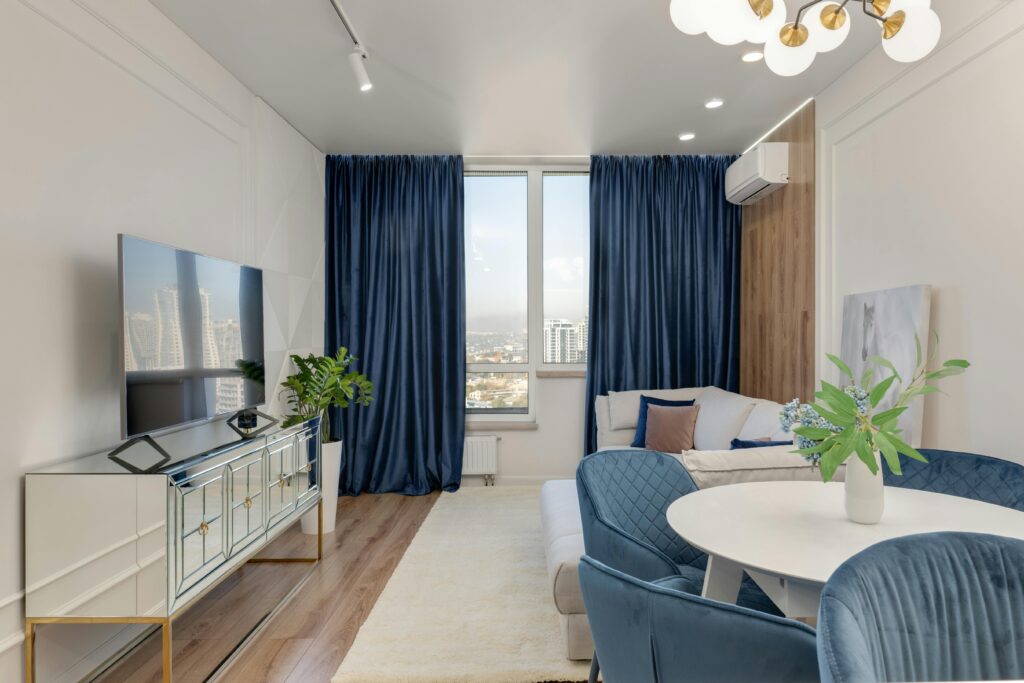
Minimalist home design works especially well in apartments and smaller homes. By reducing clutter and using smart layouts, rooms appear more spacious and open.
Light colors, simple furniture, and clean surfaces contribute to a larger visual appearance.
Easier to Clean and Maintain
Homes with fewer decorative items are much easier to clean.
Minimalist spaces usually have:
- Less dust accumulation
- Easier floor cleaning
- More organized storage
- Simpler maintenance routines
This saves time and reduces household stress.
Encourages Intentional Living
Minimalism encourages homeowners to choose items carefully and focus on quality instead of quantity.
Rather than buying unnecessary decorations, minimalist living promotes thoughtful purchases that add value and purpose.
Essential Principles of Minimalist Home Design
Understanding the core principles of minimalist design helps create a balanced and cohesive interior.
Simplicity
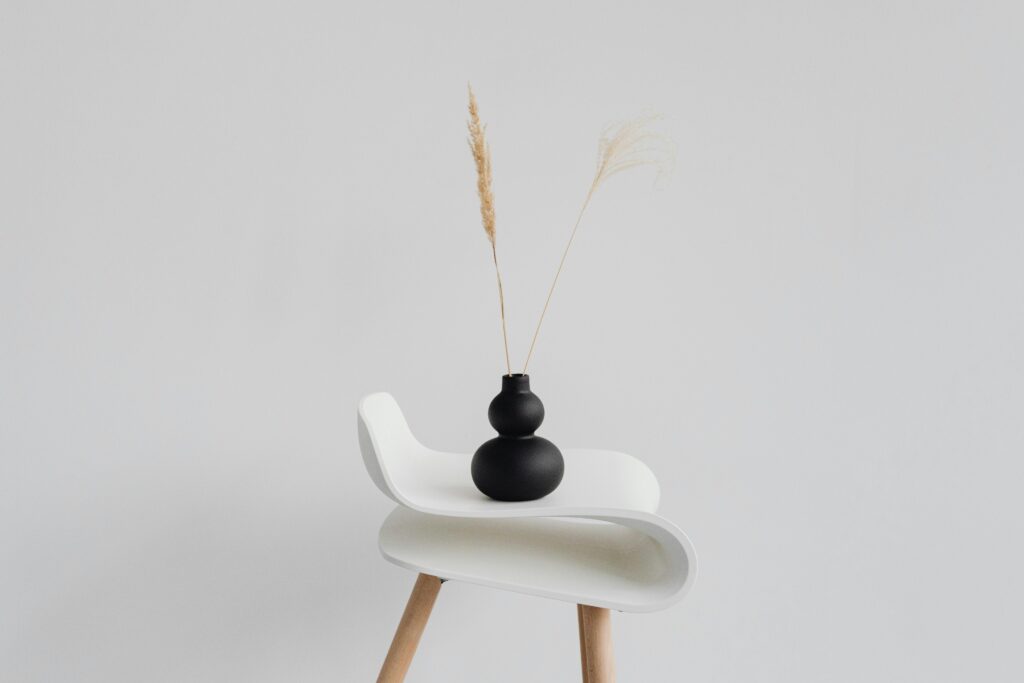
Simplicity is the foundation of minimalist decorating.
This means:
- Avoiding excessive decorations
- Choosing functional furniture
- Keeping surfaces clean
- Using simple patterns
- Maintaining organized layouts
Simple spaces often feel more elegant and timeless.
Functionality
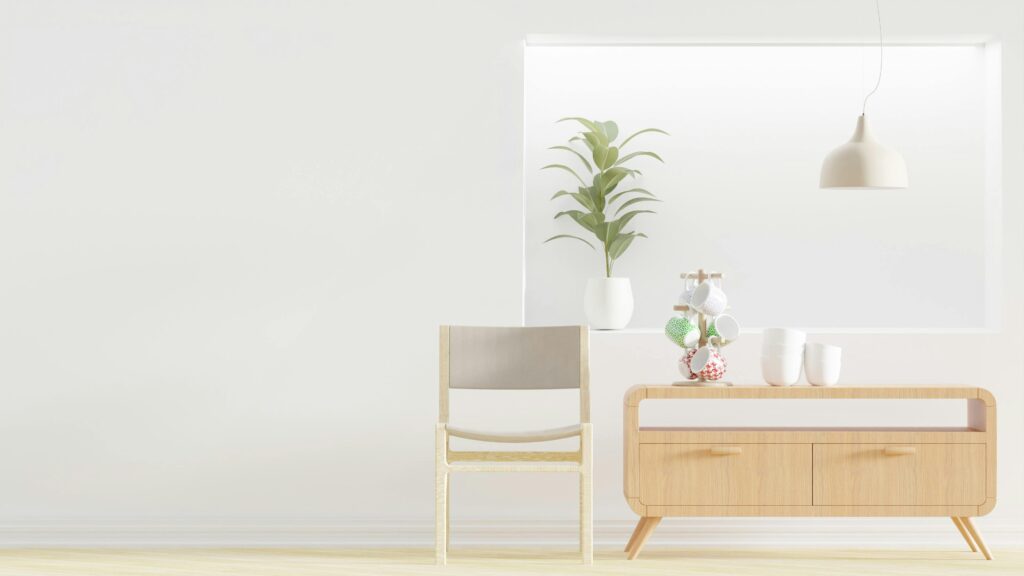
Every item in a minimalist home should serve a purpose.
Furniture and decor should combine beauty with practicality.
Examples include:
- Storage beds
- Multi-purpose tables
- Floating shelves
- Hidden storage solutions
- Modular furniture
Functional design helps maximize comfort while reducing clutter.
Neutral Color Palettes
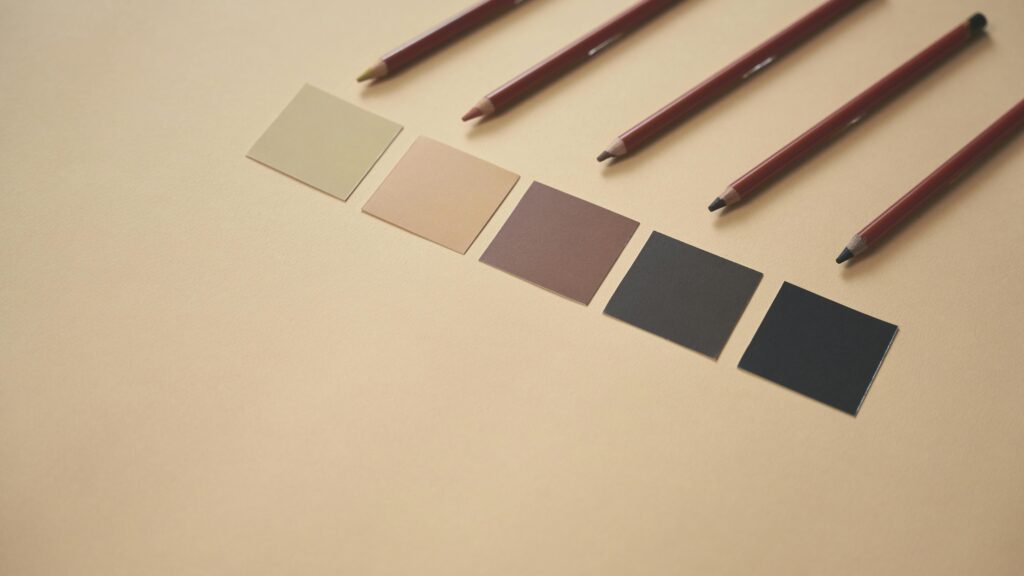
Minimalist interiors typically use soft and neutral colors such as:
- White
- Beige
- Gray
- Cream
- Taupe
- Light brown
- Soft black accents
Neutral tones create calm environments and make rooms appear brighter and larger.
You can also add subtle accent colors through pillows, artwork, or plants.
Natural Light
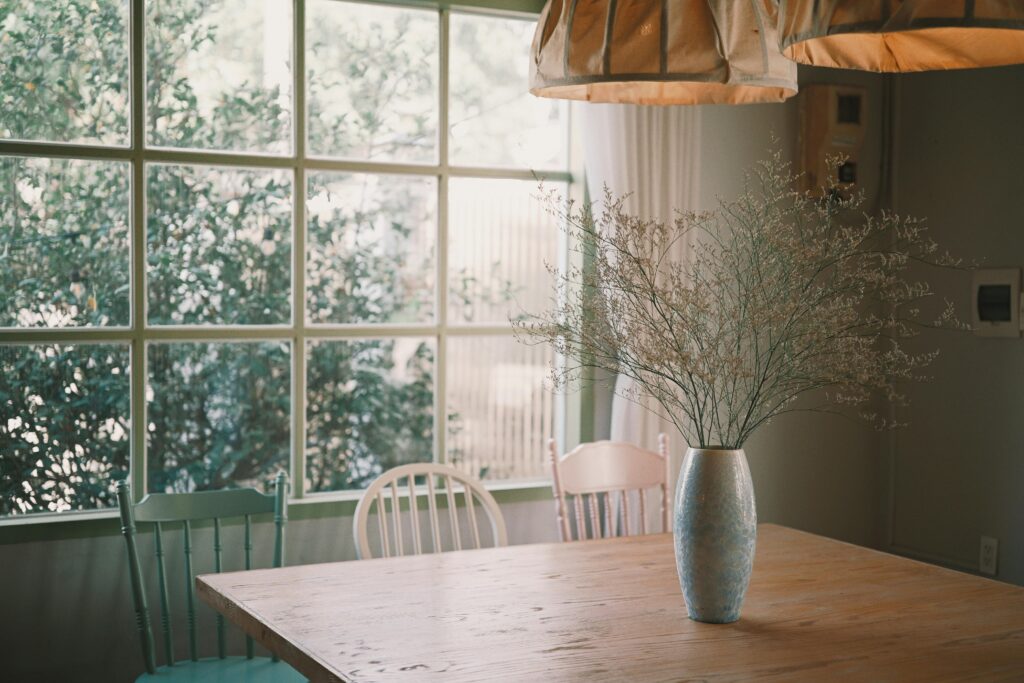
Natural lighting is an important part of minimalist home design.
Large windows, sheer curtains, and open layouts help maximize sunlight and create airy interiors.
Natural light also highlights clean lines and simple textures beautifully.
Quality Over Quantity
Minimalism focuses on investing in fewer but higher-quality pieces.
Instead of overcrowding rooms with cheap decorations, minimalist homes often feature:
- Durable furniture
- Timeless decor
- Natural materials
- Carefully selected accessories
This creates a sophisticated and long-lasting design style.
Minimalist Living Room Ideas
The living room is one of the most important areas in minimalist home design.
Choose Simple Furniture
Minimalist living rooms typically include:
- Neutral-colored sofas
- Clean-lined coffee tables
- Simple TV units
- Functional side tables
- Comfortable accent chairs
Avoid oversized furniture that makes the room feel crowded.
Keep Decorations Minimal
Instead of filling shelves with many items, choose a few meaningful decorations such as:
- Framed artwork
- Ceramic vases
- Indoor plants
- Candles
- Textured cushions
A few carefully chosen pieces create a more elegant appearance than excessive decor.
Use Smart Storage Solutions
Storage is essential in minimalist homes.
Consider using:
- Hidden storage ottomans
- Floating cabinets
- Built-in shelving
- Storage baskets
- Wall-mounted units
Keeping items organized helps maintain a clean and clutter-free environment.
Minimalist Bedroom Design Ideas
Bedrooms should feel peaceful, relaxing, and comfortable.
Select Neutral Bedding
Neutral bedding creates a calm and luxurious atmosphere.
Popular minimalist bedding colors include:
- White
- Light gray
- Beige
- Soft earth tones
Layering simple textures such as linen and cotton adds warmth without overwhelming the room.
Reduce Bedroom Clutter
Avoid overcrowding nightstands and dressers with unnecessary objects.
Keep only essential items such as:
- A lamp
- A book
- A small plant
- A clock
Minimal surfaces contribute to better relaxation and sleep quality.
Use Functional Furniture
Minimalist bedrooms benefit from furniture with built-in storage.
Examples include:
- Storage beds
- Floating nightstands
- Wall-mounted shelves
- Multi-functional wardrobes
Functional furniture keeps rooms organized while maximizing space.
Minimalist Kitchen Design Tips
Minimalist kitchens combine functionality with modern aesthetics.
Keep Countertops Clear
One of the easiest ways to create a minimalist kitchen is by reducing countertop clutter.
Store unnecessary appliances inside cabinets and display only essential items.
Clear countertops make kitchens feel larger and cleaner.
Use Simple Cabinet Designs
Minimalist kitchens often feature:
- Flat-panel cabinets
- Handleless drawers
- Neutral cabinet colors
- Hidden storage systems
These features create a sleek and modern appearance.
Focus on Organization
Kitchen organization is essential for maintaining minimalism.
Use:
- Drawer dividers
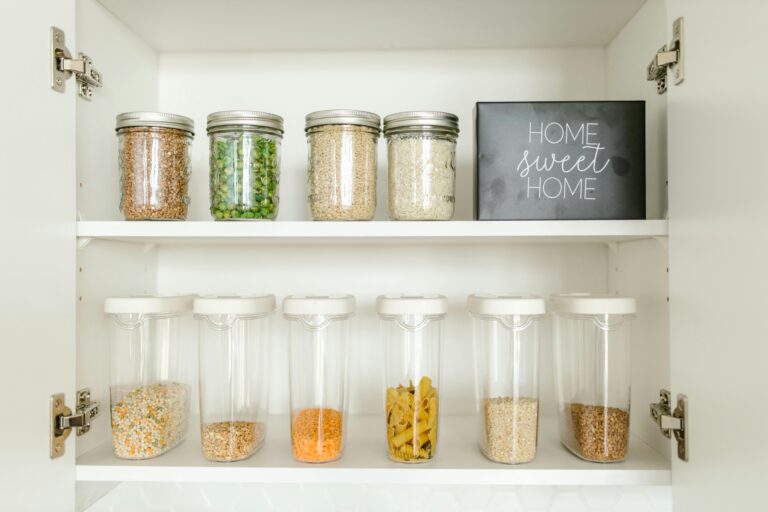
- Storage containers
- Pull-out shelves
- Label systems
- Vertical storage
An organized kitchen improves efficiency and reduces stress.
Minimalist Bathroom Ideas
Bathrooms can also benefit greatly from minimalist design.
Use Clean and Simple Fixtures
Minimalist bathrooms typically include:
- Frameless mirrors
- Neutral tiles
- Floating vanities
- Modern faucets
- Simple lighting
Simple fixtures create a clean and sophisticated atmosphere.
Limit Decorative Items
Avoid overcrowding bathroom counters.
Choose a few elegant accessories such as:
- Rolled towels
- Small plants
- Soap dispensers
- Candles
- Wooden trays
A clutter-free bathroom feels more relaxing and luxurious.
Best Materials for Minimalist Home Design
Minimalist interiors often use natural and high-quality materials.
Popular materials include:
- Wood
- Stone
- Glass
- Linen
- Cotton
- Metal
- Concrete
Natural materials add warmth and texture while maintaining simplicity.
Combining different textures helps prevent minimalist spaces from feeling cold or empty.
How to Declutter Your Home for a Minimalist Lifestyle
Decluttering is one of the most important steps in minimalist home design.
Start Small
Begin with one room or area at a time.
For example:
- A closet
- Kitchen drawers
- Bathroom shelves
- Desk space
Small progress feels less overwhelming and easier to maintain.
Remove Unnecessary Items
Ask yourself:
- Do I use this regularly?
- Does this item serve a purpose?
- Does it add value to my life?
Donate, recycle, or discard items that no longer serve a meaningful purpose.
Organize Efficiently
Use storage solutions that keep items hidden and organized.
Examples include:
- Storage boxes
- Baskets
- Closet organizers
- Drawer separators
- Wall-mounted hooks
Efficient organization supports long-term minimalism.
Minimalist Decor Trends in Modern Homes
Minimalist design continues evolving with modern trends.
Scandinavian Minimalism
Scandinavian design combines minimalism with warmth and comfort.
Features include:
- Light wood furniture
- Cozy textures
- White walls
- Natural fabrics
- Functional layouts
Japandi Style
Japandi combines Japanese and Scandinavian design principles.
It emphasizes:
- Simplicity
- Natural materials
- Warm neutral tones
- Handcrafted decor
- Calm environments
This style has become highly popular in modern minimalist interiors.
Sustainable Minimalism
Eco-friendly living is now closely connected with minimalism.
Sustainable minimalist homes focus on:
- Recycled materials
- Energy efficiency
- Durable products
- Reduced waste
- Natural lighting
This approach benefits both homeowners and the environment.
Common Minimalist Design Mistakes to Avoid
While minimalist design appears simple, there are common mistakes that can negatively affect the overall look.
Making Spaces Feel Empty
Minimalism should feel warm and inviting, not cold and lifeless.
Add warmth using:
- Textures
- Rugs
- Plants
- Soft lighting
- Natural materials
Ignoring Comfort
A minimalist home should remain comfortable and practical.
Avoid choosing furniture that looks stylish but feels uncomfortable.
Overusing White Colors
Too much white can make rooms feel sterile.
Balance white spaces with:
- Wooden accents
- Earth tones
- Soft fabrics
- Indoor greenery
Keeping Too Many “Just in Case” Items
Holding onto unnecessary belongings creates clutter.
Minimalism requires intentional decision-making about what truly adds value.
Final Thoughts
Minimalist home design is more than just an interior decorating trend. It is a lifestyle that promotes simplicity, organization, functionality, and peace of mind.
By reducing clutter and focusing on purposeful design, homeowners can create spaces that feel calm, modern, and welcoming. Whether you are redesigning your living room, bedroom, kitchen, or entire house, minimalist principles can help improve both aesthetics and daily living.
At Daily Insights Journal, we encourage readers to explore home design ideas that combine beauty with practicality. Minimalist interiors offer timeless elegance while making homes easier to manage and enjoy.
You do not need to completely renovate your house to embrace minimalism. Small changes such as decluttering, simplifying furniture, and using neutral colors can make a significant impact.
Start your minimalist home design journey today and create a living space that feels clean, stylish, and truly relaxing.