Eco Friendly Living: Simple Ways to Build a Sustainable Lifestyle
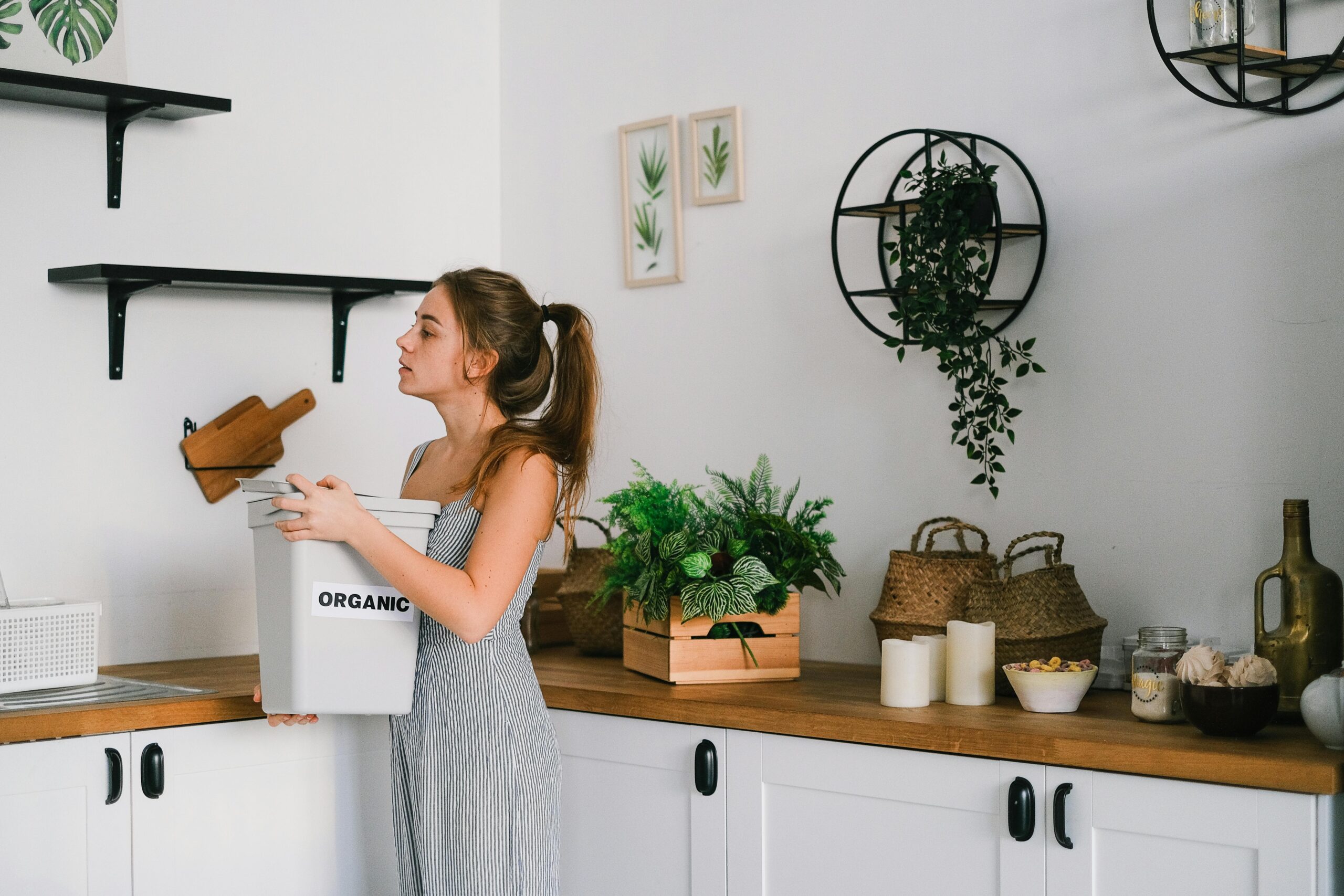
Eco friendly living has become increasingly important as people around the world become more aware of environmental challenges such as climate change, pollution, and waste. Many individuals are now looking for practical ways to reduce their environmental impact while creating healthier lifestyles for themselves and future generations.
Living sustainably does not mean making drastic changes overnight. Small daily habits can make a significant difference over time. From reducing plastic waste and saving energy to choosing sustainable products and supporting eco-conscious practices, there are many simple ways to embrace a greener lifestyle.
At Daily Insights Journal, we believe that sustainable living should be accessible, practical, and achievable for everyone. In this guide, we will explore eco friendly living tips, sustainable home practices, green habits, and ways to create a more environmentally responsible lifestyle.
What Is Eco Friendly Living?
Eco friendly living refers to making choices that help protect the environment and reduce harm to natural resources. It involves adopting habits that minimize waste, conserve energy, and support sustainability.
The goal of eco friendly living is to reduce environmental impact while promoting healthier communities and ecosystems.
Examples of eco friendly practices include:
- Reducing plastic use
- Conserving water and electricity
- Recycling and reusing materials
- Using sustainable products
- Supporting local and ethical businesses
- Minimizing food waste
- Choosing renewable energy options
Sustainable living is not about perfection. Even small improvements can contribute positively to the environment.
Why Eco Friendly Living Matters
Environmental issues continue to affect communities worldwide.
Problems such as:
- Air pollution
- Water contamination
- Deforestation
- Climate change
- Excessive waste production
- Overconsumption of natural resources
have increased the importance of sustainable practices.
Eco friendly living helps reduce environmental damage while encouraging healthier habits and long-term resource conservation.
Benefits of Eco Friendly Living
There are many personal and environmental benefits associated with sustainable living.
Reduces Environmental Impact
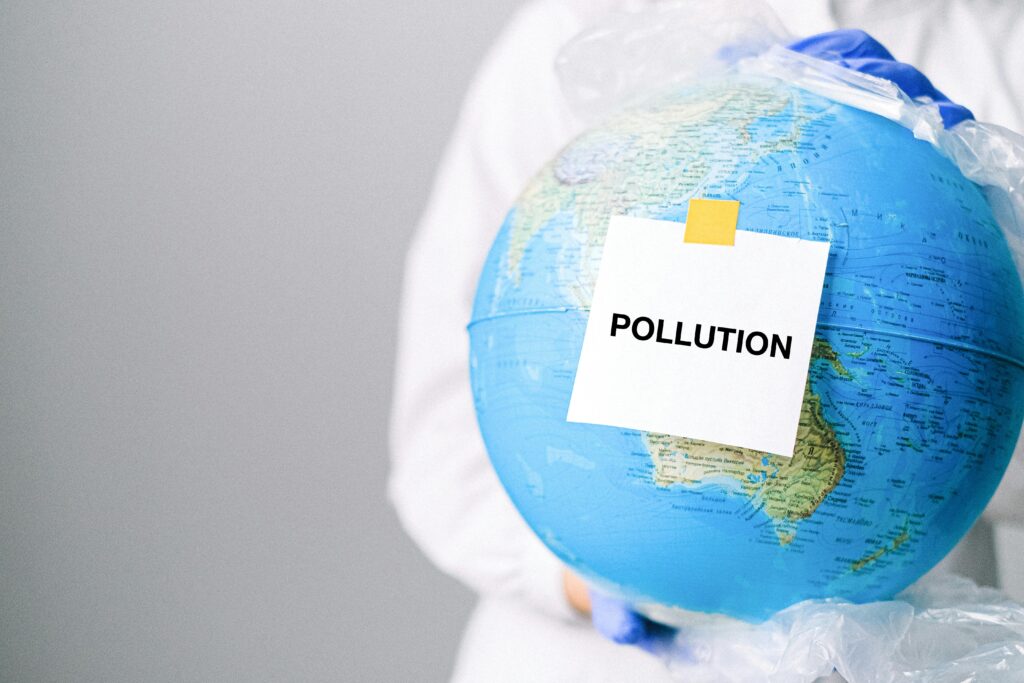
Using fewer resources and producing less waste helps decrease pollution and protect ecosystems.
Saves Money
Many eco friendly habits reduce utility bills and unnecessary spending.
Examples include:
- Lower electricity usage
- Reduced water consumption
- Reusable products instead of disposable items
- Buying fewer unnecessary products
Improves Health
Sustainable lifestyles often encourage healthier choices such as:
- Using natural cleaning products
- Eating fresh local foods
- Spending more time outdoors
- Reducing exposure to harmful chemicals
Supports Future Generations
Protecting natural resources today helps ensure a healthier planet for future generations.
Eco Friendly Living at Home
The home is one of the best places to begin a sustainable lifestyle.
Simple changes in daily routines can significantly reduce environmental impact.
Reduce Energy Consumption
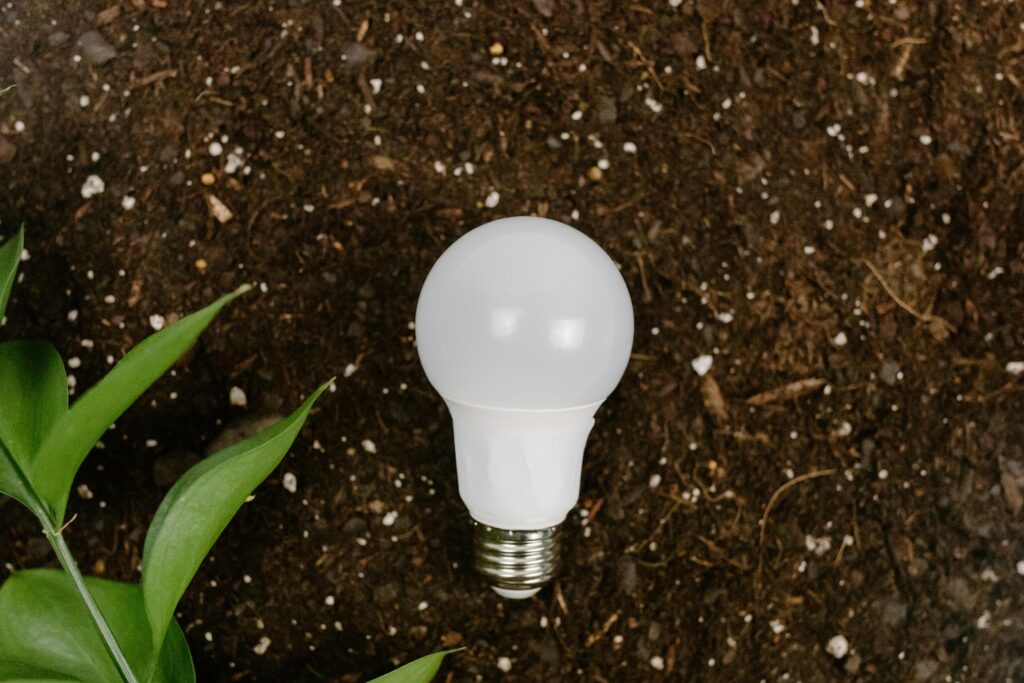
Lowering energy usage helps reduce carbon emissions and utility costs.
Use Energy-Efficient Lighting
Replace traditional light bulbs with LED bulbs.
LED lights:
- Use less electricity
- Last longer
- Produce less heat
- Lower energy bills
Unplug Unused Electronics
Many devices continue consuming electricity even when turned off.
Unplug:
- Chargers
- Appliances
- Gaming systems
- TVs
- Computers
Using power strips can make this process easier.
Maximize Natural Light
Open curtains and blinds during the day to reduce reliance on artificial lighting.
Natural light also creates a brighter and more comfortable home environment.
Save Water Efficiently
Water conservation is an essential part of eco friendly living.
Fix Leaks Quickly
Even small leaks waste large amounts of water over time.
Regularly check:
- Faucets
- Pipes
- Toilets
- Showerheads
Use Water-Saving Fixtures
Install:
- Low-flow showerheads
- Water-efficient toilets
- Faucet aerators
- Smart irrigation systems
These upgrades help reduce water waste significantly.
Reduce Daily Water Usage
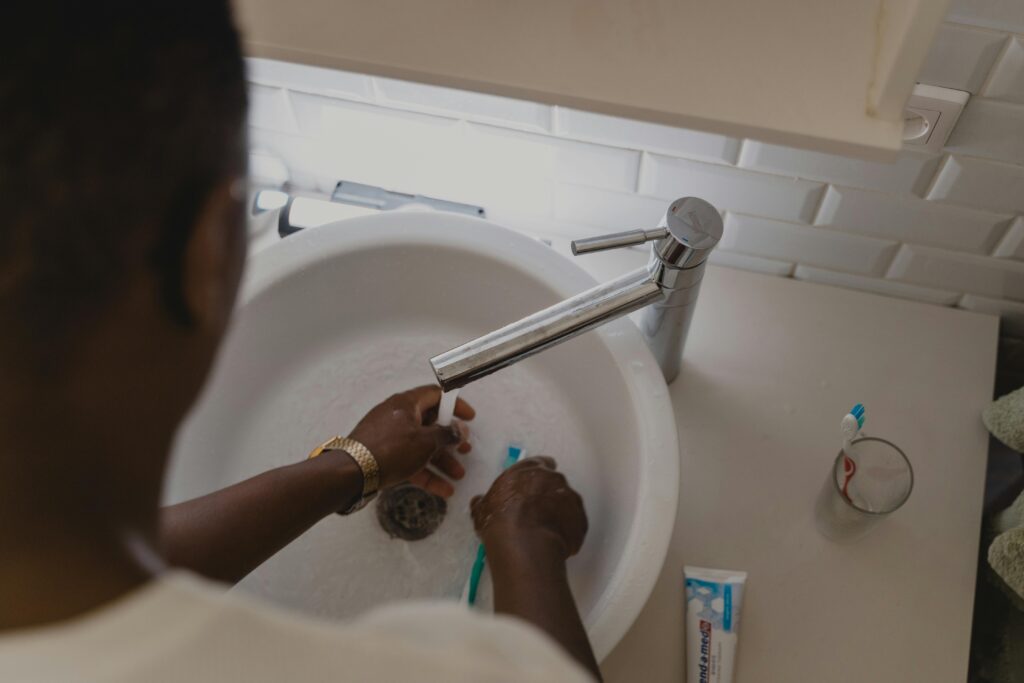
Simple habits can save water every day.
Examples include:
- Turning off taps while brushing teeth
- Taking shorter showers
- Running full laundry loads
- Using collected rainwater for plants
Reduce Household Waste
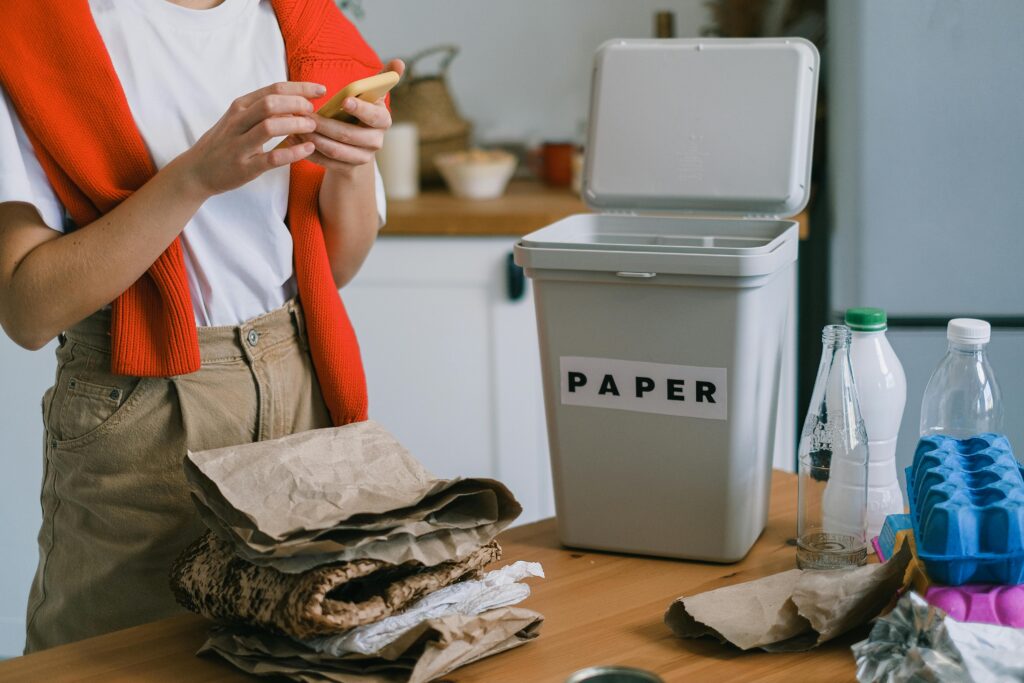
Reducing waste is one of the most effective sustainable living practices.
Avoid Single-Use Plastics
Single-use plastics contribute heavily to pollution.
Replace disposable items with reusable alternatives such as:
- Water bottles
- Shopping bags
- Food containers
- Coffee cups
- Metal straws
Recycle Properly
Separate recyclable materials such as:
- Paper
- Plastic
- Glass
- Aluminum
- Cardboard
Follow local recycling guidelines for proper disposal.
Compost Food Scraps
Composting reduces landfill waste while creating nutrient-rich soil.
Common compostable items include:
- Fruit peels
- Vegetable scraps
- Coffee grounds
- Eggshells
- Yard waste
Composting supports healthier gardens and reduces methane emissions.
Sustainable Kitchen Practices
The kitchen often generates significant waste and energy usage.
Reduce Food Waste
Food waste is a major environmental problem.
Minimize waste by:
- Planning meals
- Storing food properly
- Freezing leftovers
- Using ingredients before expiration
- Buying only what you need
Choose Reusable Kitchen Products

Replace disposable kitchen items with reusable alternatives.
Examples include:
- Cloth napkins
- Glass containers
- Silicone food bags
- Reusable dishcloths
- Beeswax wraps
Buy Local and Seasonal Foods

Locally sourced foods often require less transportation and packaging.
Supporting local farmers also strengthens communities and reduces environmental impact.
Eco Friendly Cleaning Tips
Traditional cleaning products may contain harmful chemicals that affect health and the environment.
Use Natural Cleaning Products
Eco friendly cleaning ingredients include:
- Vinegar
- Baking soda
- Lemon juice
- Castile soap
- Essential oils
These alternatives are affordable and environmentally safer.
Reduce Paper Towel Usage
Switch to reusable cleaning cloths or microfiber towels.
This reduces waste and lowers long-term expenses.
Sustainable Fashion Choices
The fashion industry contributes significantly to pollution and waste.
Buy Quality Over Quantity
Choose durable clothing that lasts longer instead of frequently buying low-quality fast fashion.
Shop Second-Hand
Thrift stores and vintage shops help reduce textile waste.
Buying second-hand clothing extends product life cycles and reduces environmental demand.
Donate Unused Clothing
Instead of throwing away old clothes, donate or recycle them.
This supports sustainability while helping others.
Eco Friendly Transportation Options
Transportation contributes heavily to carbon emissions.
Walk or Bike When Possible
Walking and cycling reduce fuel consumption while improving physical health.
Use Public Transportation
Public transport reduces traffic congestion and lowers overall emissions.
Carpool or Use Fuel-Efficient Vehicles
Sharing rides or choosing fuel-efficient vehicles helps reduce environmental impact.
Electric and hybrid vehicles are becoming increasingly popular sustainable transportation options.
Sustainable Gardening Ideas
Gardening can support eco friendly living while improving outdoor spaces.
Plant Native Species
Native plants require less water and maintenance because they naturally adapt to local climates.
Use Organic Gardening Methods
Avoid harmful pesticides and chemical fertilizers.
Use:
- Compost
- Natural fertilizers
- Mulch
- Organic pest control methods
Grow Your Own Food
Even small herb gardens can reduce grocery packaging waste and encourage healthier eating.
Popular beginner plants include:
- Basil
- Mint
- Tomatoes
- Lettuce
- Peppers
Eco Friendly Shopping Habits
Consumer choices play a major role in sustainability.
Support Sustainable Brands
Choose companies that prioritize:
- Ethical sourcing
- Recyclable packaging
- Fair labor practices
- Eco-conscious production methods
Avoid Impulse Buying
Buying fewer unnecessary products reduces waste and overconsumption.
Before purchasing something, ask:
- Do I truly need this?
- Will I use it regularly?
- Is there a sustainable alternative?
Choose Minimal Packaging
Products with excessive packaging create unnecessary waste.
Whenever possible, select items with recyclable or minimal packaging.
Eco Friendly Living on a Budget
Sustainable living does not need to be expensive.
Many eco friendly habits actually save money over time.
Reuse Household Items
Repurpose containers, jars, and old furniture instead of constantly buying new items.
DIY Sustainable Products
You can create:
- Homemade cleaners
- Reusable cloths
- Compost bins
- DIY storage containers
Focus on Gradual Changes
You do not need to change everything immediately.
Small affordable steps can still create meaningful environmental impact.
Common Eco Friendly Living Mistakes to Avoid
Trying to Be Perfect
Sustainability is about progress, not perfection.
Even small improvements matter.
Buying Unnecessary “Eco” Products
Some people replace perfectly usable items simply because eco-friendly alternatives exist.
Using existing products fully before replacing them is often more sustainable.
Ignoring Energy Consumption
Many people focus only on recycling while overlooking energy and water usage.
Conserving resources is equally important.
Falling for Greenwashing
Some brands falsely market products as environmentally friendly.
Research companies and certifications before making purchases.
Building Long-Term Sustainable Habits
Eco friendly living becomes easier when habits are consistent.
Start With Simple Goals
Choose manageable goals such as:
- Using reusable bags
- Reducing plastic bottles
- Saving electricity
- Recycling consistently
Involve Family Members
Sustainability works best when everyone participates.
Teach children and family members simple eco-friendly habits.
Track Progress
Monitoring habits can help maintain motivation.
Examples include:
- Lower utility bills
- Reduced waste production
- Fewer disposable purchases
Small successes encourage long-term commitment.
Final Thoughts
Eco friendly living is one of the most effective ways individuals can contribute to a healthier planet while improving their own lifestyles. Sustainable habits such as reducing waste, conserving energy, using reusable products, and supporting ethical businesses can create lasting environmental benefits.
At Daily Insights Journal, we believe that sustainable living should feel practical and achievable rather than overwhelming. Every small action matters, and consistent eco-friendly choices can lead to significant positive change over time.
You do not need to completely transform your lifestyle overnight. Start with simple habits, make gradual improvements, and focus on creating routines that support both your well-being and the environment.
By embracing eco friendly living, you can build a cleaner, healthier, and more sustainable future for yourself, your community, and future generations.