Home Automation for Gardening: Smart Technology for a Healthier and Easier Garden
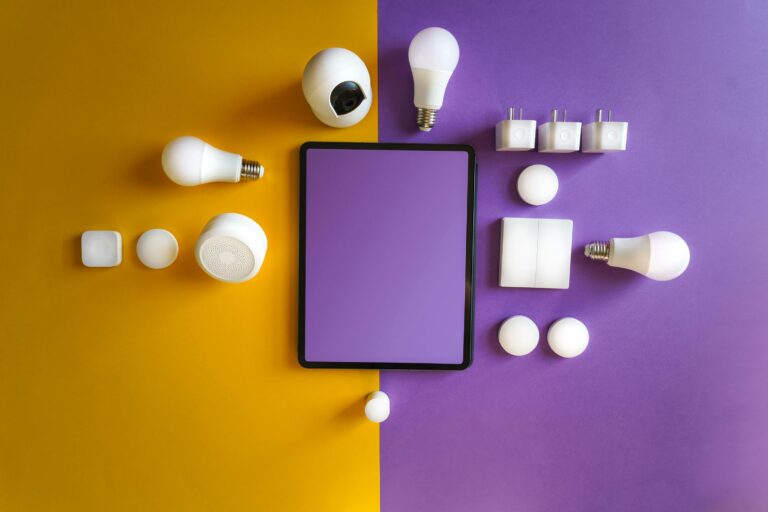
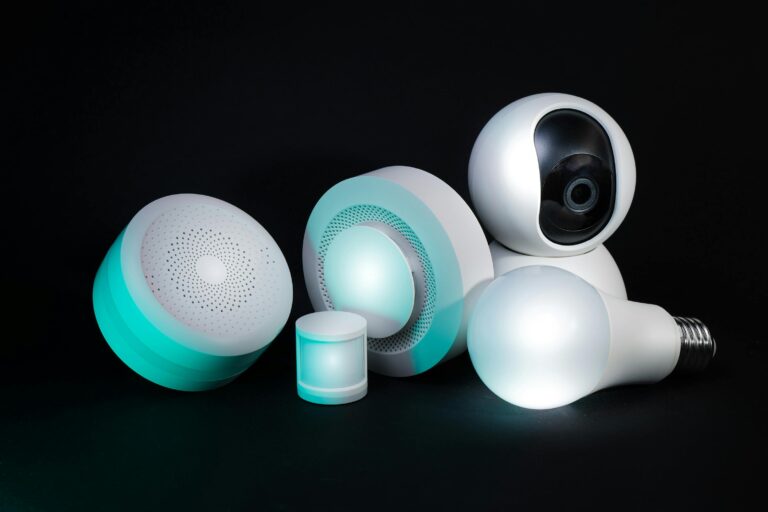
Gardening has changed dramatically with the rise of smart home technology. What once required constant manual effort can now be managed more efficiently through automation, connected devices, and intelligent monitoring systems. Home automation for gardening allows homeowners to care for plants, lawns, and outdoor spaces with greater precision while saving time, water, and energy.
From automated irrigation systems and smart weather sensors to app-controlled lighting and robotic lawn mowers, smart gardening technology is becoming increasingly popular among homeowners and gardening enthusiasts. These innovations simplify garden maintenance while helping plants thrive in healthier conditions.
At Daily Insights Journal, we believe technology should make daily life easier and more sustainable. In this guide, we will explore home automation for gardening, its benefits, smart gardening devices, installation tips, automation ideas, and how modern technology is transforming outdoor living.
What Is Home Automation for Gardening?
Home automation for gardening refers to the use of smart technology and connected devices to monitor, manage, and automate gardening tasks.
These systems often rely on:
- Wi-Fi connectivity
- Mobile applications
- Sensors
- Smart controllers
- Automated schedules
- Artificial intelligence
The goal is to reduce manual work while improving garden health and efficiency.
Common automated gardening systems include:
- Smart irrigation systems
- Soil moisture sensors
- Weather monitoring devices
- Automated lighting
- Robotic lawn mowers
- Smart greenhouse controls
These tools help homeowners maintain gardens more effectively while reducing waste and maintenance efforts.
Benefits of Home Automation for Gardening
Smart gardening systems provide several important advantages.
Saves Time and Effort
Automated systems reduce the need for constant manual gardening tasks.
For example:
- Irrigation systems water plants automatically
- Smart lights follow scheduled timers
- Lawn mowers operate independently
- Sensors monitor soil conditions continuously
This allows homeowners to spend less time on maintenance while enjoying healthier gardens.
Conserves Water
Smart irrigation systems use real-time data to optimize watering schedules.
This helps:
- Prevent overwatering
- Reduce water waste
- Lower utility bills
- Improve plant health
Water conservation is especially important in areas affected by drought or water restrictions.
Improves Plant Health
Automated monitoring systems provide accurate environmental data.
This helps gardeners respond quickly to:
- Temperature changes
- Soil dryness
- Excess moisture
- Weather conditions
Healthy environmental management supports stronger plant growth.
Enhances Convenience
Homeowners can monitor and control gardens remotely through smartphones or voice assistants.
Remote access allows users to:
- Adjust irrigation schedules
- Check weather conditions
- Monitor sensors
- Control outdoor lighting
- Receive maintenance alerts
Convenience is one of the main reasons smart gardening continues growing in popularity.
Smart Irrigation Systems
Smart irrigation systems are among the most popular gardening automation technologies.
How Smart Irrigation Works
These systems use:
- Weather data
- Soil moisture readings
- Automated timers
- Smart controllers
to determine when and how much water plants need.
Instead of following fixed schedules, smart systems adjust watering based on real environmental conditions.
Benefits of Smart Irrigation
Advantages include:
- Reduced water waste
- Healthier plants
- Lower utility costs
- Automated watering schedules
- Remote smartphone control
Smart irrigation systems are ideal for lawns, gardens, flower beds, and landscaping.
Drip Irrigation Automation
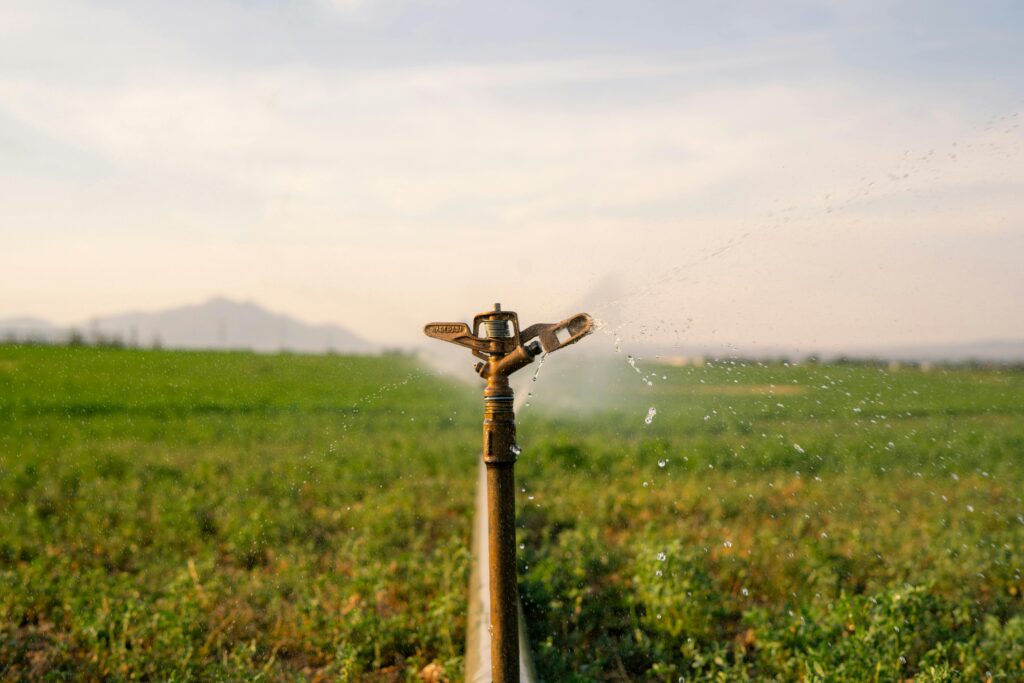
Drip irrigation systems deliver water directly to plant roots.
When combined with automation, drip systems become highly efficient.
Benefits include:
- Minimal evaporation
- Targeted watering
- Reduced runoff
- Improved moisture control
Automated drip irrigation supports sustainable gardening practices.
Smart Weather Sensors for Gardening
Weather conditions play a major role in plant growth and outdoor maintenance.
Soil Moisture Sensors
These sensors measure moisture levels in the soil.
They help determine:
- When plants need watering
- Which areas are too dry
- Which areas have excess moisture
Accurate moisture monitoring prevents overwatering and root damage.
Rain Sensors
Rain sensors automatically pause irrigation during rainfall.
This helps conserve water and prevents unnecessary watering.
Temperature and Humidity Sensors
These sensors monitor environmental conditions that affect plant health.
Gardeners can receive alerts during:
- Extreme heat
- Frost conditions
- High humidity
- Sudden weather changes
This allows better plant protection and planning.
Automated Outdoor Lighting
Smart outdoor lighting improves both functionality and garden aesthetics.
Benefits of Smart Garden Lighting
Automated lighting systems can:
- Highlight landscaping features
- Improve nighttime visibility
- Enhance outdoor ambiance
- Increase home security
- Save energy
Lighting can be controlled remotely or scheduled automatically.
Motion Sensor Lighting
Motion-activated lighting improves security and convenience.
Lights automatically turn on when movement is detected around:
- Walkways
- Gardens
- Patios
- Driveways
- Entryways
Smart LED Garden Lights
LED smart lights are energy-efficient and long-lasting.
Many systems allow users to customize:
- Brightness
- Colors
- Timers
- Lighting scenes
These features create beautiful outdoor environments.
Robotic Lawn Mowers
Robotic lawn mowers are transforming lawn care automation.
How Robotic Lawn Mowers Work
These devices operate independently using:
- Sensors
- GPS technology
- Boundary systems
- Automated schedules
The mower navigates the lawn automatically while avoiding obstacles.
Benefits of Robotic Lawn Mowers
Advantages include:
- Reduced manual labor
- Consistent lawn maintenance
- Energy efficiency
- Quiet operation
- Time savings
Many models can be controlled through smartphone apps.
Smart Greenhouse Automation
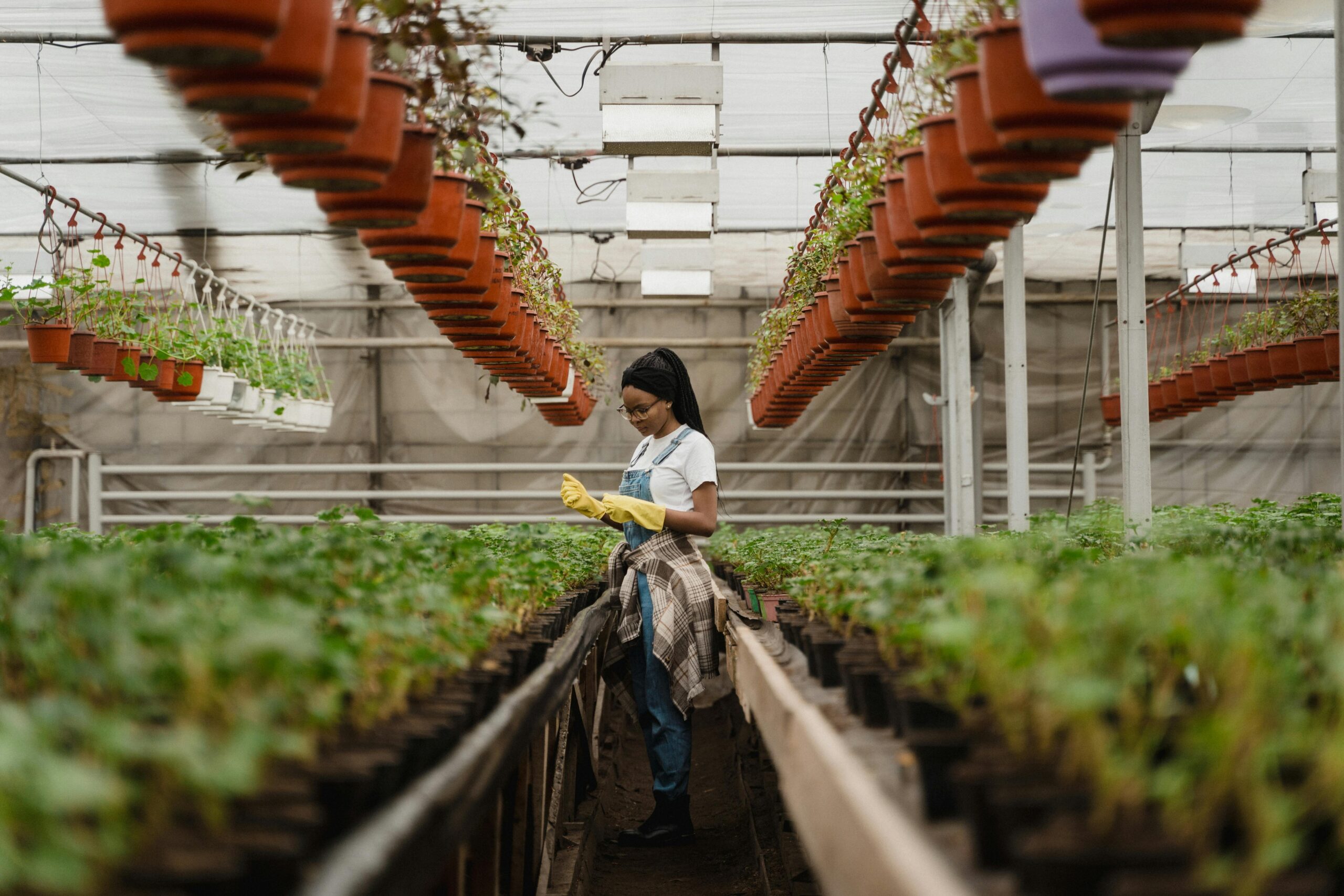
Greenhouses benefit greatly from home automation technology.
Automated Climate Control
Smart greenhouse systems can regulate:
- Temperature
- Humidity
- Ventilation
- Irrigation
- Lighting
This creates stable growing environments for plants.
Remote Monitoring
Gardeners can monitor greenhouse conditions remotely through connected apps.
Alerts notify users if conditions become unfavorable.
Automated Ventilation Systems
Smart ventilation systems automatically open or close vents based on temperature and humidity levels.
This helps prevent overheating and improves plant growth.
Voice-Controlled Gardening Systems
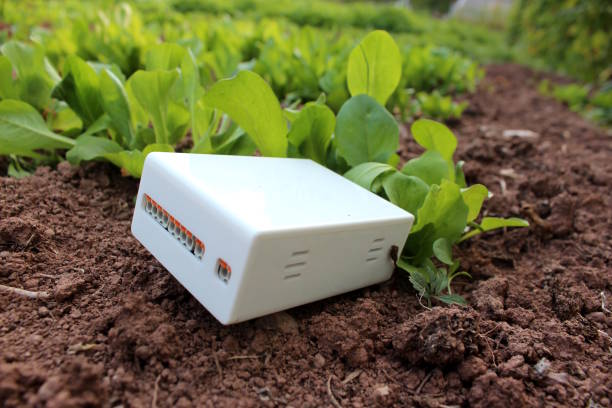
Many smart gardening devices now integrate with voice assistants.
Popular systems work with:
- Amazon Alexa
- Google Assistant
- Apple HomeKit
Voice control allows homeowners to:
- Activate irrigation
- Adjust lighting
- Check weather conditions
- Control smart devices hands-free
This adds convenience and accessibility.
Sustainable Gardening Through Automation
Home automation supports environmentally friendly gardening practices.
Water Conservation
Automated irrigation systems reduce water waste significantly.
Smart sensors ensure water is used only when necessary.
Reduced Energy Usage
Energy-efficient LED lighting and automated systems help lower electricity consumption.
Healthier Soil Conditions
Balanced watering schedules improve soil quality and reduce erosion.
Reduced Chemical Dependence
Healthier plants often require fewer pesticides and fertilizers.
Automation helps maintain stable growing conditions naturally.
Best Areas to Automate in Your Garden
Different outdoor areas can benefit from smart technology.
Vegetable Gardens
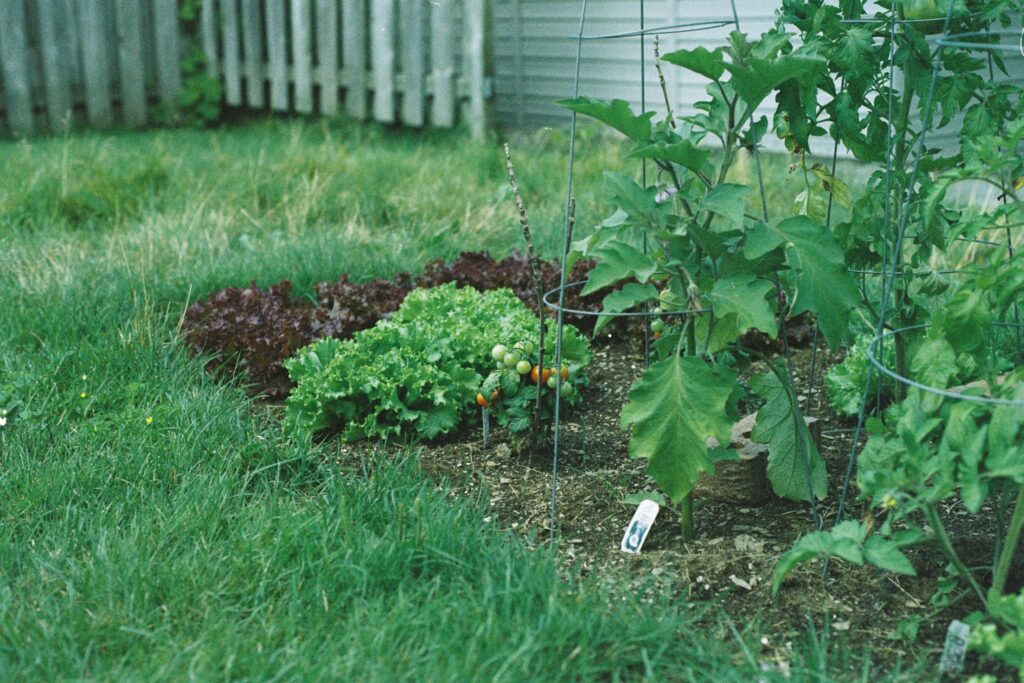
Automation helps maintain ideal conditions for:
- Tomatoes
- Peppers
- Herbs
- Lettuce
- Cucumbers
Smart irrigation improves crop yields and reduces maintenance.
Flower Gardens
Flower beds benefit from automated watering and lighting systems.
Proper moisture management helps maintain healthy blooms.
Lawns and Landscaping
Smart sprinklers and robotic mowers simplify lawn maintenance.
Automation creates healthier and more attractive landscapes.
Patios and Outdoor Living Areas
Outdoor entertainment spaces benefit from:
- Smart lighting
- Automated fountains
- Climate control systems
- Outdoor speakers
These features improve comfort and ambiance.
Choosing the Right Gardening Automation System
Selecting the best system depends on your gardening goals and property size.
Consider Your Garden Size
Small gardens may only require:
- Basic irrigation automation
- Soil moisture sensors
- Smart lighting
Larger landscapes may benefit from advanced integrated systems.
Determine Your Budget
Home gardening automation systems vary widely in price.
Budget planning helps prioritize important features.
Focus on Compatibility
Ensure devices work with:
- Smartphones
- Wi-Fi networks
- Voice assistants
- Existing smart home systems
Compatibility improves overall convenience.
Prioritize Ease of Use
Choose systems with user-friendly apps and simple controls.
Easy setup and maintenance improve long-term satisfaction.
Installation Tips for Smart Gardening Systems
Ensure Reliable Wi-Fi Coverage
Outdoor devices rely heavily on internet connectivity.
Consider:
- Wi-Fi extenders
- Mesh networks
- Outdoor routers
Strong signals improve system performance.
Position Sensors Correctly
Install sensors in representative areas of the garden.
Avoid placing them:
- Near heat sources
- Under constant shade
- In obstructed locations
Proper placement improves data accuracy.
Protect Outdoor Equipment
Choose weather-resistant devices designed for outdoor conditions.
Regular maintenance improves durability and reliability.
Common Gardening Automation Mistakes to Avoid
Over-Automating Small Gardens
Not every garden requires advanced technology.
Start with essential automation features before expanding.
Ignoring Manual Plant Inspection
Technology helps monitor conditions, but gardeners should still inspect plants regularly.
Look for:
- Pests
- Disease
- Nutrient deficiencies
- Physical damage
Poor Irrigation Settings
Incorrect watering schedules can harm plants.
Always adjust automation settings based on weather and plant needs.
Weak Security for Smart Devices
Connected systems should be protected with:
- Strong passwords
- Software updates
- Secure Wi-Fi networks
This helps prevent unauthorized access.
Future Trends in Gardening Automation
Smart gardening technology continues advancing rapidly.
Artificial Intelligence Integration
Future systems may analyze environmental data and provide personalized gardening recommendations automatically.
Solar-Powered Devices
Solar-powered sensors and irrigation systems are becoming increasingly popular.
These systems improve sustainability and reduce energy costs.
Fully Integrated Smart Gardens
Future gardens may include complete automation for:
- Irrigation
- Fertilization
- Lighting
- Climate monitoring
- Pest management
These innovations could simplify gardening even further.
Final Thoughts
Home automation for gardening is transforming the way homeowners care for outdoor spaces. Smart technology makes gardening more efficient, convenient, and sustainable by automating tasks such as watering, lighting, climate monitoring, and lawn maintenance.
From smart irrigation systems and weather sensors to robotic lawn mowers and automated greenhouse controls, gardening automation offers practical solutions for every type of outdoor environment.
At Daily Insights Journal, we believe technology should simplify daily life while supporting healthier and more sustainable living. Smart gardening systems help homeowners save time, reduce water waste, improve plant health, and enjoy outdoor spaces with less effort.
You do not need to automate your entire garden immediately. Start with simple smart devices, explore automation features gradually, and build a connected gardening system that matches your lifestyle and gardening goals.
As technology continues evolving, home automation for gardening will remain an important part of modern outdoor living, helping homeowners create smarter, greener, and more beautiful gardens for the future.