Smart Weather Sensors for Gardens: The Future of Smarter and Healthier Gardening
Gardening has evolved significantly with the rise of smart technology. Today, homeowners and gardening enthusiasts are using innovative tools to monitor weather conditions, soil moisture, temperature, humidity, and rainfall more accurately than ever before. Among these advancements, smart weather sensors for gardens have become one of the most valuable technologies for maintaining healthy plants and efficient outdoor spaces.
Smart weather sensors help gardeners make better decisions by providing real-time environmental data. Instead of relying on guesswork, gardeners can use precise information to improve watering schedules, protect plants from extreme weather, and increase overall garden health.
At Daily Insights Journal, we believe technology should simplify and improve everyday living, including outdoor gardening. In this guide, we will explore smart weather sensors for gardens, their benefits, types, features, installation tips, and how they can help create smarter and more sustainable gardens.
What Are Smart Weather Sensors for Gardens?
Smart weather sensors are advanced devices designed to monitor outdoor environmental conditions in real time. These sensors collect important weather and soil data and send it directly to smartphones, tablets, or smart home systems.
Unlike traditional gardening tools, smart weather sensors provide automated monitoring and instant updates.
Common data tracked by garden weather sensors includes:
- Temperature
- Humidity
- Rainfall
- Wind speed
- Soil moisture
- Sunlight exposure
- Air pressure
This information helps gardeners maintain healthier plants while conserving water and reducing maintenance efforts.
Why Smart Weather Sensors Are Important for Gardens
Weather conditions have a major impact on plant growth and garden health.
Excessive heat, heavy rain, drought, or poor soil conditions can damage plants quickly.
Smart weather sensors help gardeners respond proactively instead of reacting after problems occur.
Benefits of Smart Weather Sensors for Gardens
There are many advantages to using smart garden weather monitoring systems.
Improved Plant Health
Accurate environmental data allows gardeners to provide plants with the right amount of water, sunlight, and protection.
This helps prevent:
- Overwatering
- Underwatering
- Heat stress
- Root rot
- Plant disease
Healthier conditions lead to stronger plant growth and improved yields.
Water Conservation

One of the biggest advantages of smart weather sensors is efficient water management.
By monitoring soil moisture and rainfall, gardeners can avoid wasting water unnecessarily.
This is especially important in regions affected by drought or water restrictions.
Real-Time Monitoring
Smart sensors provide instant updates through mobile apps and connected devices.
Gardeners can monitor conditions remotely and receive alerts when environmental changes occur.
Better Garden Planning
Weather data helps gardeners plan:
- Planting schedules
- Irrigation timing
- Fertilizer application
- Seasonal gardening tasks
Accurate planning improves gardening success throughout the year.
Types of Smart Weather Sensors for Gardens
There are several types of smart sensors designed for different gardening needs.
Soil Moisture Sensors
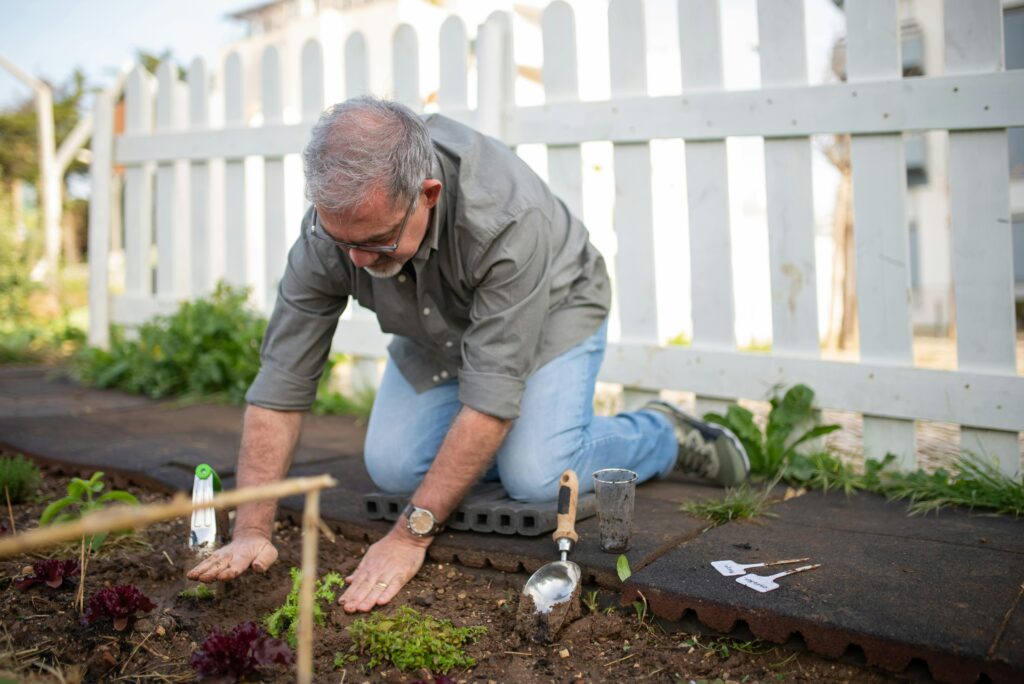
Soil moisture sensors measure water levels within the soil.
These sensors help determine when plants actually need watering.
Benefits include:
- Preventing overwatering
- Reducing water waste
- Improving root health
- Supporting automated irrigation systems
Soil moisture sensors are among the most commonly used smart gardening tools.
Temperature and Humidity Sensors
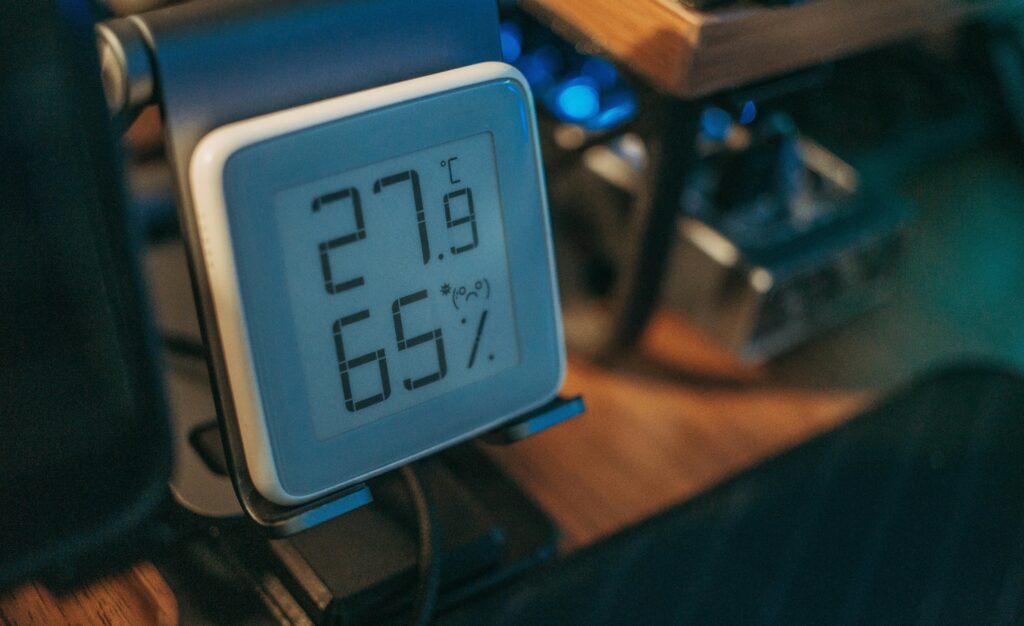
Temperature and humidity directly affect plant growth and disease prevention.
Smart sensors monitor:
- Air temperature
- Soil temperature
- Humidity levels
This information helps gardeners protect sensitive plants during extreme weather conditions.
Rain Sensors
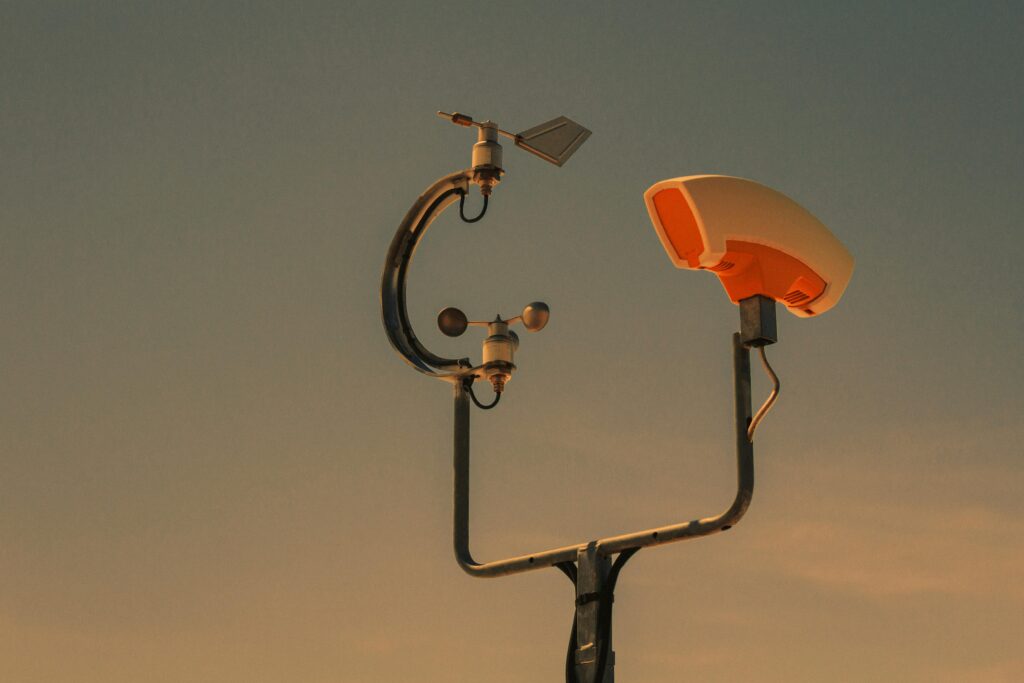
Rain sensors detect rainfall levels and can automatically pause irrigation systems.
Benefits include:
- Water conservation
- Reduced utility costs
- Prevention of overwatering
Rain sensors work especially well with smart sprinkler systems.
Sunlight Sensors
Sunlight sensors measure light intensity and sun exposure.
These sensors help gardeners determine:
- Ideal plant placement
- Shade requirements
- Seasonal light changes
Different plants require varying amounts of sunlight for healthy growth.
Wind Sensors
Wind sensors monitor wind speed and outdoor conditions.
Strong winds can damage delicate plants and outdoor structures.
Gardeners can use wind alerts to protect:
- Young plants
- Greenhouses
- Patio furniture
- Hanging baskets
Weather Stations
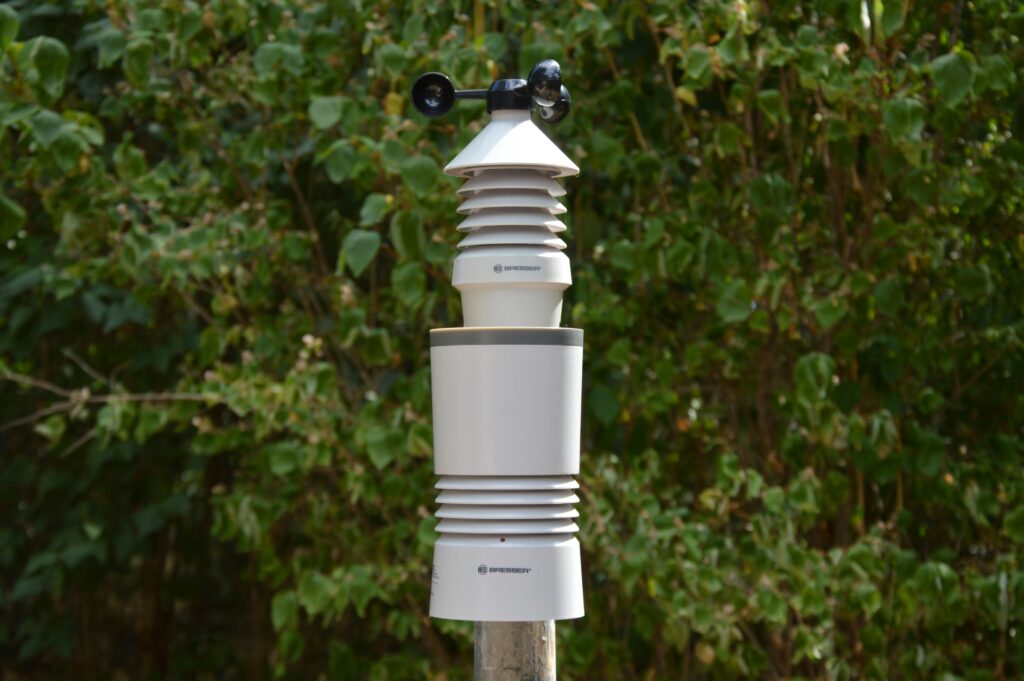
Smart garden weather stations combine multiple sensors into one system.
These advanced devices often monitor:
- Temperature
- Rainfall
- Humidity
- Wind speed
- Air pressure
- UV levels
Weather stations provide comprehensive environmental monitoring for larger gardens and landscapes.
How Smart Weather Sensors Work
Most smart weather sensors use wireless technology to transmit environmental data.
Common connection methods include:
- Wi-Fi
- Bluetooth
- Smart home hubs
- Cloud-based systems
Sensors collect data continuously and display it through mobile applications or smart home dashboards.
Some systems also provide:
- Historical weather reports
- Automated alerts
- Gardening recommendations
- Integration with irrigation systems
Advanced systems can even automate watering schedules based on current weather conditions.
Smart Irrigation Integration
One of the most useful features of smart weather sensors is integration with irrigation systems.
Automated Watering
Smart irrigation systems use weather data to adjust watering schedules automatically.
For example:
- Watering stops during rainfall
- Irrigation increases during hot weather
- Soil moisture controls watering frequency
This creates healthier gardens while reducing water waste.
Zone-Based Irrigation
Different garden areas may require different watering levels.
Smart systems allow gardeners to customize irrigation zones based on:
- Plant type
- Sun exposure
- Soil condition
- Moisture levels
Zone-based watering improves efficiency and plant care.
Benefits for Sustainable Gardening
Smart weather sensors support environmentally friendly gardening practices.
Reduced Water Waste
Accurate moisture monitoring prevents unnecessary watering.
This helps conserve water and lower utility bills.
Healthier Soil Management
Overwatering can damage soil quality and plant roots.
Smart monitoring promotes balanced soil conditions.
Reduced Chemical Usage
Healthier plants are often more resistant to disease and pests.
This may reduce the need for excessive fertilizers and pesticides.
Energy Efficiency
Automated irrigation systems reduce unnecessary pump usage and electricity consumption.
Smart Weather Sensors for Different Garden Types
Smart sensors can benefit many types of outdoor spaces.
Vegetable Gardens
Vegetable gardens require careful moisture and temperature management.
Smart sensors help optimize conditions for:
- Tomatoes
- Peppers
- Lettuce
- Herbs
- Cucumbers
Proper monitoring improves crop health and yields.
Flower Gardens
Flowers often have different sunlight and watering needs.
Weather sensors help maintain healthy blooms by monitoring environmental conditions accurately.
Greenhouses
Greenhouses benefit greatly from automated monitoring.
Smart systems help control:
- Internal temperature
- Humidity levels
- Ventilation
- Watering schedules
This creates more stable growing environments.
Lawn Care
Smart weather sensors also improve lawn maintenance.
They help prevent:
- Overwatering
- Dry patches
- Excess moisture
- Water runoff
Healthy lawns require balanced watering schedules.
Features to Look for in Smart Weather Sensors
Choosing the right smart sensor system depends on your gardening goals and outdoor environment.
Wireless Connectivity
Reliable wireless connections improve convenience and accessibility.
Wi-Fi-enabled systems allow remote monitoring from smartphones.
Mobile App Support
Most modern smart sensors include mobile apps for:
- Real-time monitoring
- Alerts and notifications
- Historical data tracking
- Device management
User-friendly apps improve overall functionality.
Weather Resistance
Outdoor devices must withstand:
- Rain
- Heat
- Dust
- Humidity
- Wind
Choose sensors designed specifically for outdoor use.
Battery Life
Long battery life reduces maintenance and improves reliability.
Some smart sensors also support solar charging.
Smart Home Compatibility
Many systems integrate with:
- Amazon Alexa
- Google Home
- Apple HomeKit
- Smart irrigation systems
Compatibility improves automation and convenience.
Installation Tips for Smart Garden Sensors
Proper installation improves sensor accuracy and performance.
Place Sensors Strategically
Install sensors in representative areas of the garden.
Avoid placing them:
- Too close to walls
- Under constant shade
- Near heat sources
- In obstructed locations
Correct placement ensures accurate readings.
Test Wi-Fi Coverage
Weak internet signals can interrupt data transmission.
Use:
- Wi-Fi extenders
- Mesh networks
- Outdoor routers
Reliable connectivity improves monitoring consistency.
Follow Manufacturer Instructions
Each sensor system may have specific installation requirements.
Carefully follow setup guidelines for:
- Calibration
- Sensor positioning
- Connectivity
- Maintenance
Common Mistakes to Avoid
Ignoring Sensor Maintenance
Sensors should be cleaned and checked regularly.
Dirt and debris may affect accuracy.
Over-Relying on Automation
Technology helps improve gardening, but visual plant inspection remains important.
Monitor plants regularly for:
- Pests
- Disease
- Nutrient deficiencies
- Physical damage
Poor Sensor Placement
Incorrect placement can result in inaccurate weather data.
Careful positioning improves system effectiveness.
Buying Unnecessary Features
Choose systems that match your actual gardening needs.
Large advanced systems may not be necessary for smaller gardens.
Future Trends in Smart Garden Technology
Gardening technology continues advancing rapidly.
Artificial Intelligence Integration
Future systems may analyze weather data and provide personalized gardening recommendations automatically.
Solar-Powered Sensors
Solar-powered weather sensors are becoming more efficient and environmentally friendly.
These systems reduce battery replacement needs.
Advanced Automation
Future smart gardens may include:
- Fully automated irrigation
- AI-powered climate monitoring
- Predictive weather analysis
- Smart fertilizer management
These technologies could simplify gardening even further.
Final Thoughts
Smart weather sensors for gardens are transforming modern gardening by providing accurate environmental monitoring, improved plant care, and efficient resource management. Whether you maintain a small backyard garden, a greenhouse, or a large landscape, smart sensors help create healthier and more sustainable outdoor spaces.
From soil moisture monitoring and rainfall detection to automated irrigation and real-time weather alerts, these systems provide valuable insights that simplify gardening tasks and improve results.
At Daily Insights Journal, we believe smart technology should make everyday life more efficient, sustainable, and enjoyable. Smart garden weather sensors offer homeowners and gardening enthusiasts the ability to care for plants with greater precision while reducing water waste and maintenance efforts.
You do not need to completely automate your garden immediately. Start with basic weather monitoring tools, explore smart irrigation options, and gradually build a connected gardening system that fits your outdoor needs and lifestyle.
As gardening technology continues evolving, smart weather sensors will remain an essential part of modern gardening, helping people grow healthier plants and create smarter outdoor environments for the future.