Natural Pain Management Tips: Safe and Practical Ways to Support Everyday Comfort
Pain is one of the most common health challenges people experience throughout their lives. Whether it is caused by muscle strain, poor posture, stress, aging, physical activity, or minor injuries, discomfort can affect daily routines, productivity, sleep quality, and overall well-being. While medical treatments play an important role in managing many conditions, many individuals also seek natural pain management tips to complement professional healthcare and support a healthier lifestyle.
Natural pain management focuses on non-invasive strategies that may help reduce discomfort, improve mobility, promote relaxation, and enhance overall quality of life. These methods often involve lifestyle changes, physical activity, stress reduction, proper nutrition, and wellness practices that support the body’s natural recovery processes.
It is important to understand that natural approaches are not replacements for professional medical care, especially when pain is severe, persistent, worsening, or associated with an underlying medical condition. However, many evidence-informed lifestyle habits can help people manage everyday aches and pains more effectively.
At Daily Insight Journal, we explore health, wellness, and lifestyle strategies that support long-term well-being. In this comprehensive guide, we will discuss natural pain management tips, including movement, nutrition, sleep, stress management, heat and cold therapy, mindfulness practices, and other practical approaches that may help improve comfort and daily function.
Understanding Pain and Its Impact
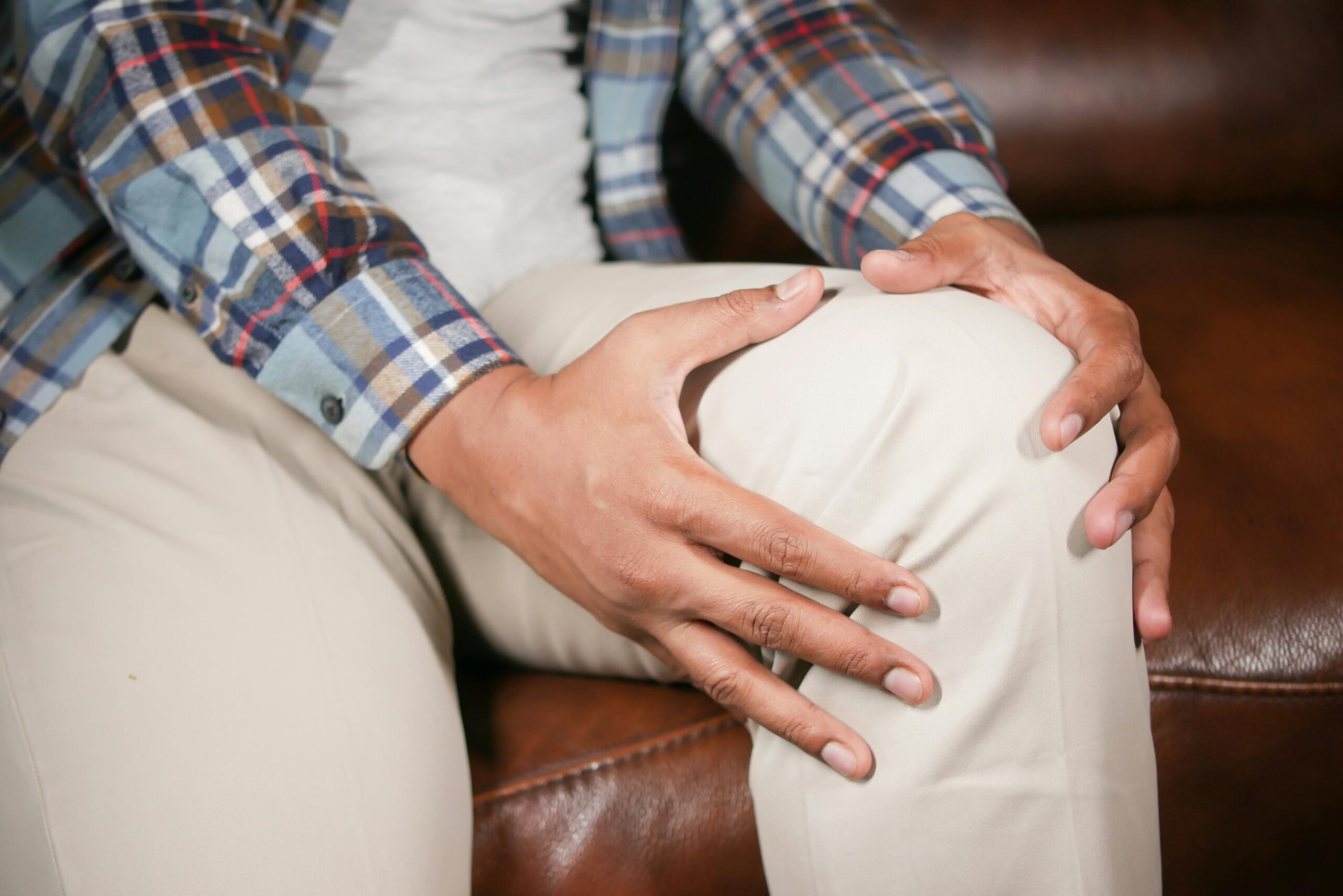
Pain is the body’s way of signaling that something requires attention.
Common causes of pain include:
- Muscle tension
- Overuse injuries
- Joint discomfort
- Poor posture
- Stress-related tension
- Inflammation
- Physical strain
Pain can be:
Acute Pain
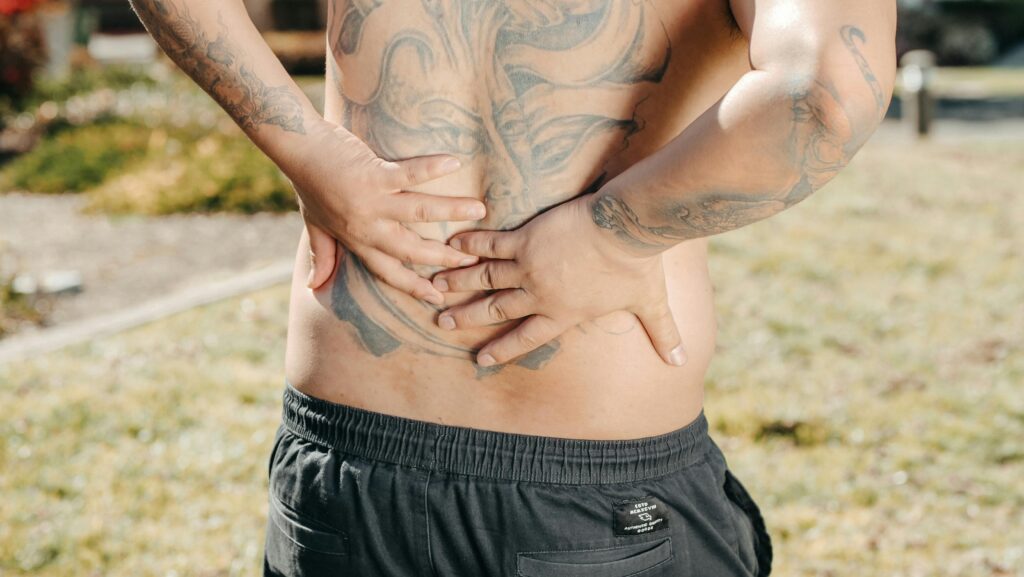
Short-term discomfort resulting from injury, strain, or temporary irritation.
Chronic Pain
Pain that persists for months or longer and may require ongoing medical evaluation and management.
Understanding the source of pain is important before choosing any management strategy.
The Importance of a Holistic Approach
Natural pain management often works best when multiple healthy habits are combined.
A holistic approach may include:
- Physical movement
- Stress reduction
- Healthy eating
- Sleep improvement
- Relaxation techniques
Rather than focusing on a single solution, addressing overall wellness can often provide broader benefits.
Stay Physically Active
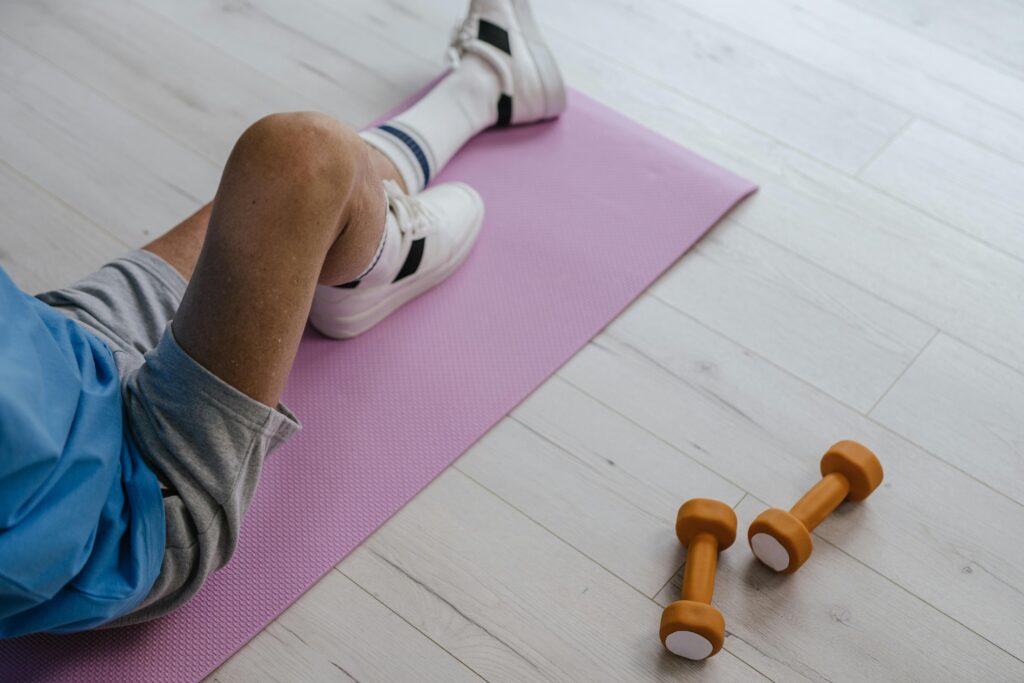
Movement is one of the most effective natural strategies for supporting physical comfort.
While resting may seem helpful, prolonged inactivity can sometimes increase stiffness and reduce mobility.
Benefits of Regular Movement
Physical activity may help:
- Improve flexibility
- Support circulation
- Strengthen muscles
- Reduce stiffness
- Enhance joint mobility
The key is choosing activities that match your fitness level and physical condition.
Low-Impact Exercises
Many people find relief through gentle activities such as:
- Walking
- Swimming
- Cycling
- Stretching
- Water aerobics
These exercises place less stress on joints while encouraging movement.
Consistency Matters
Even short periods of daily movement can be beneficial.
Regular activity often produces better results than occasional intense workouts.
Practice Gentle Stretching
Stretching helps maintain flexibility and reduce muscle tightness.
Many common aches result from:
- Muscle tension
- Sedentary behavior
- Repetitive movements
Gentle stretching may help relieve these issues.
Areas That Commonly Benefit
People often focus on:
- Neck muscles
- Shoulders
- Lower back
- Hips
- Hamstrings
Regular stretching may support mobility and posture.
Stretch Safely
Avoid forcing movements or stretching to the point of pain.
Slow and controlled movements are generally most effective.
Prioritize Quality Sleep
Sleep plays a vital role in recovery and overall health.
Poor sleep can increase sensitivity to discomfort and negatively affect physical and mental well-being.
How Sleep Supports Recovery
During sleep, the body performs important processes related to:
- Tissue repair
- Muscle recovery
- Hormonal regulation
- Immune function
Consistent sleep habits can support overall comfort.
Sleep Improvement Tips
Consider:
- Maintaining a consistent sleep schedule
- Limiting screen exposure before bed
- Creating a comfortable sleep environment
- Avoiding excessive caffeine late in the day
Good sleep hygiene benefits overall wellness.
Manage Stress Effectively
Stress and pain are often closely connected.
When stress levels rise, muscles may become tense and discomfort can feel more intense.
Common Stress Responses
Stress can contribute to:
- Neck tension
- Headaches
- Shoulder tightness
- Jaw clenching
Learning to manage stress may reduce these physical effects.
Stress Reduction Strategies
Helpful practices include:
- Meditation
- Deep breathing
- Journaling
- Spending time outdoors
- Relaxation exercises
Reducing stress often supports both mental and physical health.
Explore Mindfulness and Meditation
Mindfulness involves focusing attention on the present moment without judgment.
Many people use mindfulness techniques to better manage discomfort and stress.
Potential Benefits
Mindfulness may help:
- Improve emotional resilience
- Reduce stress responses
- Promote relaxation
- Increase body awareness
While it does not eliminate pain, it may improve how individuals respond to discomfort.
Simple Mindfulness Practice
Spend a few minutes focusing on:
- Your breathing
- Physical sensations
- Calm observation of thoughts
Regular practice often provides greater benefits over time.
Use Heat Therapy
Heat therapy is commonly used for muscle-related discomfort.
Warmth may help:
- Relax tight muscles
- Improve circulation
- Reduce stiffness
Examples of Heat Therapy
Options include:
- Warm showers
- Heating pads
- Warm compresses
- Heated wraps
Heat is often helpful for chronic muscle tension and stiffness.
Use Heat Safely
Avoid excessive temperatures and prolonged exposure to prevent skin irritation or burns.
Consider Cold Therapy
Cold therapy is frequently used after physical strain or minor injuries.
Cooling may help:
- Reduce swelling
- Numb temporary discomfort
- Calm irritated tissues
Common Cold Therapy Options
Examples include:
- Ice packs
- Cold compresses
- Cooling wraps
Cold therapy is often used for short periods following activity-related discomfort.
Maintain Healthy Nutrition
Nutrition influences many aspects of health, including energy levels, recovery, and inflammation regulation.
A balanced diet supports overall wellness.
Focus on Whole Foods
A nutrient-rich diet may include:
- Fruits
- Vegetables
- Whole grains
- Lean proteins
- Healthy fats
These foods provide essential vitamins and minerals.
Stay Hydrated
Dehydration may contribute to:
- Muscle cramps
- Fatigue
- Reduced physical performance
Drinking sufficient water supports normal body function.
Maintain a Healthy Body Weight
Excess body weight can place additional stress on:
- Joints
- Knees
- Hips
- Lower back
Maintaining a healthy weight may support mobility and comfort.
Improve Posture Throughout the Day
Poor posture is a common contributor to discomfort.
Many people spend long hours:
- Sitting at desks
- Looking at screens
- Using mobile devices
These habits can strain muscles and joints.
Posture Improvement Tips
Try to:
- Keep shoulders relaxed
- Align ears over shoulders
- Sit with feet flat on the floor
- Use ergonomic workstations
Small adjustments can make a significant difference.
Spend Time Outdoors
Nature exposure offers physical and mental wellness benefits.
Outdoor activities may help:
- Reduce stress
- Encourage movement
- Improve mood
- Promote relaxation
Examples include:
- Walking in parks
- Gardening
- Hiking
- Outdoor stretching
Fresh air and natural surroundings often contribute to well-being.
Massage and Self-Massage Techniques
Massage is commonly used to relieve muscle tension.
Potential benefits include:
- Relaxation
- Improved circulation
- Reduced tightness
- Temporary comfort
Self-Massage Options
People may use:
- Foam rollers
- Massage balls
- Gentle hand massage
These tools can target areas of tension after physical activity.
Try Gentle Yoga Practices
Yoga combines:
- Stretching
- Controlled breathing
- Mindfulness
- Movement
Many individuals find yoga helpful for flexibility and relaxation.
Benefits of Yoga
Regular practice may support:
- Balance
- Mobility
- Stress reduction
- Muscle flexibility
Beginners should start with gentle routines appropriate for their fitness level.
Build Healthy Daily Habits
Small habits often have a larger long-term impact than occasional intensive efforts.
Examples include:
- Daily walking
- Regular stretching
- Hydration
- Consistent sleep
- Stress management
Healthy routines support overall resilience and recovery.
When to Seek Medical Advice
Natural pain management strategies can be helpful for many forms of everyday discomfort, but some situations require professional medical evaluation.
Seek medical attention if pain:
- Is severe or sudden
- Persists for an extended period
- Continues worsening
- Limits normal activities
- Occurs after significant injury
- Is accompanied by other concerning symptoms
A healthcare professional can identify underlying causes and recommend appropriate treatment.
Common Myths About Natural Pain Management
Myth 1: Rest Is Always Best
While short-term rest may help some injuries, prolonged inactivity can increase stiffness and weakness.
Myth 2: More Exercise Is Always Better
Excessive exercise can worsen discomfort. Balance is important.
Myth 3: Natural Means Risk-Free
Even natural approaches should be used thoughtfully and appropriately.
Myth 4: Pain Should Be Ignored
Persistent pain deserves attention and evaluation when necessary.
Future Trends in Natural Wellness and Pain Management
Health and wellness practices continue evolving.
Emerging trends include:
- Personalized wellness programs
- Wearable health technology
- Digital fitness coaching
- Virtual mindfulness training
- Smart recovery tools
Technology is helping people better understand and manage their overall health.
Practical Daily Natural Pain Management Checklist
Consider incorporating these habits into your routine:
✔ Stay physically active
✔ Stretch regularly
✔ Prioritize quality sleep
✔ Practice stress management
✔ Maintain healthy nutrition
✔ Stay hydrated
✔ Improve posture
✔ Spend time outdoors
✔ Use heat or cold therapy appropriately
✔ Seek professional care when necessary
Consistency often matters more than perfection.
Final Thoughts
Natural pain management tips can play an important role in supporting comfort, mobility, and overall well-being. Through healthy lifestyle habits such as regular movement, stretching, quality sleep, balanced nutrition, stress reduction, and mindfulness practices, many individuals can better manage everyday aches and physical discomfort.
At Daily Insight Journal, we believe that long-term wellness is built through sustainable habits rather than quick fixes. Natural approaches often work best when combined with a healthy lifestyle and appropriate medical guidance when needed.
By understanding your body, maintaining healthy routines, and taking a proactive approach to wellness, you can support physical comfort, improve daily function, and enhance your overall quality of life.
Remember that persistent, severe, or unexplained pain should always be evaluated by a qualified healthcare professional. Natural wellness strategies are most effective when used as part of a balanced and informed approach to health.
For more health insights, wellness guides, and lifestyle tips, continue visiting Daily Insight Journal.