Alternative Healing Practices: Exploring Holistic Approaches to Wellness and Personal Well-Being
In today’s fast-paced world, many individuals are seeking ways to support their physical, emotional, and mental well-being beyond conventional healthcare. This growing interest has led to increased attention toward alternative healing practices—wellness approaches that focus on relaxation, mindfulness, personal growth, and holistic lifestyle habits. While these practices are not substitutes for professional medical care, many people incorporate them into their wellness routines to promote balance, self-awareness, and overall quality of life.
Alternative healing practices often emphasize the connection between the mind, body, and environment. They encourage individuals to adopt intentional habits that support relaxation, stress management, and personal wellness. From meditation and yoga to aromatherapy and nature-based activities, these practices can provide meaningful opportunities for self-care and reflection.
It is important to understand that alternative healing methods should not be viewed as treatments for medical conditions unless supported by qualified healthcare professionals. Instead, they are often used as complementary wellness practices that contribute to a healthier and more balanced lifestyle.
At Daily Insight Journal, we explore lifestyle trends and wellness strategies that help individuals live healthier and more fulfilling lives. In this comprehensive guide, we will examine alternative healing practices, their historical origins, modern applications, potential benefits, common techniques, and how they fit into contemporary wellness routines.
What Are Alternative Healing Practices?
Alternative healing practices refer to non-medical wellness approaches that focus on supporting overall well-being through relaxation, mindfulness, personal awareness, and healthy lifestyle habits.
These practices often emphasize:
- Mind-body connection
- Stress reduction
- Self-care
- Personal growth
- Emotional balance
- Holistic wellness
Many alternative wellness approaches have roots in ancient cultural traditions and continue to evolve alongside modern wellness trends.
Why Alternative Healing Practices Are Becoming Popular
The popularity of alternative wellness methods has grown significantly in recent years.
Several factors contribute to this trend.
Increased Focus on Wellness
People are becoming more proactive about their overall health and lifestyle choices.
Many individuals seek ways to:
- Manage daily stress
- Improve work-life balance
- Enhance relaxation
- Support emotional well-being
Alternative practices often align with these goals.
Growing Interest in Mindfulness
Modern lifestyles can be demanding and overstimulating.
Practices that encourage slowing down and becoming more present have gained widespread appeal.
Accessibility of Wellness Resources
Today, people can access:
- Online classes
- Wellness apps
- Guided meditations
- Educational content
This accessibility has made alternative wellness practices easier to explore.
Desire for Holistic Living
Many individuals prefer wellness approaches that consider multiple aspects of life rather than focusing on a single factor.
Holistic wellness encourages balance across:
- Physical health
- Emotional well-being
- Social connections
- Environmental influences
The Mind-Body Connection
A central theme in many alternative healing practices is the relationship between the mind and body.
Thoughts, emotions, habits, and environmental factors often influence overall well-being.
When people experience stress, they may notice:
- Muscle tension
- Difficulty sleeping
- Reduced focus
- Emotional fatigue
Practices that encourage relaxation and mindfulness may help support a greater sense of balance.
Meditation as a Wellness Practice
Meditation is one of the most widely recognized alternative wellness methods.
It involves focusing attention and cultivating awareness.
Types of Meditation
Common forms include:
- Mindfulness meditation
- Guided meditation
- Breathing meditation
- Loving-kindness meditation
Each approach offers a unique experience.
Potential Benefits
Many people practice meditation to support:
- Relaxation
- Focus
- Emotional awareness
- Stress management
Even a few minutes of daily practice can become a meaningful self-care habit.
Yoga and Mindful Movement
Yoga combines physical movement, breathing techniques, and mindfulness.
It has become a popular wellness activity worldwide.
Why People Practice Yoga
Yoga may help individuals:
- Improve flexibility
- Enhance body awareness
- Support relaxation
- Encourage mindfulness
Many styles exist, ranging from gentle restorative sessions to more active routines.
Accessibility of Yoga
Yoga can often be adapted for:
- Beginners
- Older adults
- Various fitness levels
Its flexibility contributes to its broad appeal.
Breathwork and Conscious Breathing
Breathing exercises are among the simplest alternative wellness techniques.
Most people breathe automatically throughout the day, yet intentional breathing practices can promote relaxation and awareness.
Common Breathwork Techniques
Examples include:
- Deep diaphragmatic breathing
- Box breathing
- Slow rhythmic breathing
These practices are frequently incorporated into wellness routines.
Everyday Applications
Breathing exercises can be performed:
- At home
- At work
- Before sleep
- During stressful situations
No special equipment is required.
Aromatherapy and Sensory Wellness
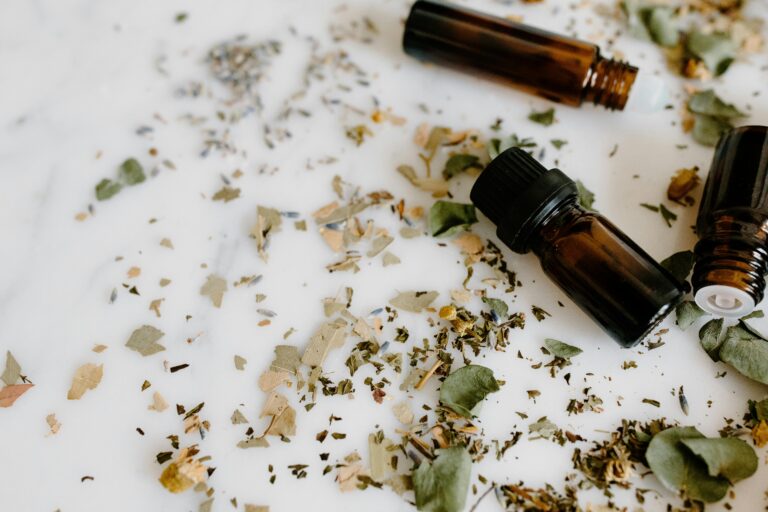
Aromatherapy involves the use of natural scents to create enjoyable sensory experiences.
Many people use aromatic products as part of their self-care rituals.
Popular Aromatherapy Methods
These may include:
- Essential oil diffusers
- Aromatic candles
- Relaxation blends
- Home fragrance products
Wellness Applications
Individuals often use aromatherapy during:
- Meditation
- Reading
- Relaxation routines
- Home spa experiences
Personal scent preferences play a significant role in the experience.
Nature-Based Wellness Practices
Spending time in nature has become an important aspect of many wellness lifestyles.
Natural environments can provide opportunities for:
- Reflection
- Physical activity
- Stress reduction
Popular Nature Activities
Examples include:
- Walking in parks
- Hiking
- Gardening
- Outdoor meditation
Nature-based activities encourage people to disconnect from digital distractions and reconnect with their surroundings.
Journaling for Self-Reflection
Journaling is a simple yet powerful wellness habit.
It allows individuals to organize thoughts, track experiences, and cultivate self-awareness.
Types of Journaling
Popular approaches include:
- Gratitude journals
- Reflective writing
- Goal tracking
- Daily observations
Benefits of Journaling
Many people find journaling useful for:
- Emotional expression
- Personal growth
- Stress management
- Mindfulness
Regular writing can provide valuable insights into daily life.
Sound and Music-Based Relaxation
Sound has long been used in wellness traditions around the world.
Many people use music and calming sounds to support relaxation.
Examples Include
- Instrumental music
- Nature sounds
- Ambient audio
- Guided relaxation recordings
Listening experiences vary according to personal preferences.
Creating Relaxation Rituals
Intentional routines can help support emotional well-being.
Examples include:
- Evening reading
- Gentle stretching
- Aromatherapy
- Meditation sessions
Regular rituals often provide consistency and comfort.
The Role of Self-Care in Alternative Wellness
Self-care is a fundamental component of many alternative healing philosophies.
Self-care may involve:
- Prioritizing rest
- Maintaining healthy boundaries
- Practicing mindfulness
- Engaging in enjoyable activities
These habits support overall quality of life.
Alternative Wellness and Lifestyle Design
Wellness extends beyond specific practices.
Many people incorporate holistic principles into their daily environments.
Creating Calming Spaces
Simple improvements may include:
- Decluttering
- Natural lighting
- Indoor plants
- Comfortable furnishings
Environmental design can influence mood and comfort.
Digital Wellness
Modern wellness increasingly includes managing technology use.
Strategies may involve:
- Reducing screen time
- Scheduling device-free periods
- Limiting digital distractions
These habits support mindfulness and focus.
Common Misconceptions About Alternative Healing Practices
Several misconceptions exist regarding alternative wellness methods.
Myth 1: Alternative Practices Replace Medical Care
Alternative wellness approaches are generally used as complementary lifestyle practices rather than replacements for professional healthcare.
Myth 2: Results Are Instant
Wellness habits often require consistency and patience.
Myth 3: One Practice Works for Everyone
Individual preferences vary greatly.
Different people may benefit from different wellness routines.
Myth 4: Wellness Requires Expensive Products
Many alternative practices are low-cost or free.
Examples include:
- Walking
- Meditation
- Journaling
- Breathing exercises
Building Your Personal Wellness Routine
Creating a personalized approach can increase long-term consistency.
Start Small
Choose one or two practices that fit naturally into your lifestyle.
Focus on Enjoyment
Wellness habits are easier to maintain when they feel enjoyable rather than burdensome.
Be Consistent
Small daily actions often produce greater benefits than occasional intensive efforts.
Stay Flexible
Wellness routines should evolve as your needs and interests change.
Technology and Modern Alternative Wellness
Technology continues influencing wellness practices.
Mobile Wellness Apps
Apps now provide access to:
- Meditation programs
- Guided breathing sessions
- Journaling tools
- Mindfulness exercises
Wearable Devices
Many devices help users monitor:
- Activity levels
- Sleep patterns
- Recovery habits
These insights support healthy lifestyle choices.
Online Wellness Communities
Digital communities allow individuals to:
- Share experiences
- Learn new techniques
- Stay motivated
Connection often plays a valuable role in wellness journeys.
Future Trends in Alternative Healing Practices
Several trends are shaping the future of holistic wellness.
Personalized Wellness Plans
Technology may increasingly provide individualized recommendations.
Greater Integration of Mental Wellness
Mental health awareness continues expanding globally.
Nature-Inspired Living
More people are incorporating natural elements into their daily routines.
Sustainable Wellness
Consumers increasingly value environmentally conscious products and practices.
Holistic Lifestyle Education
Wellness education is becoming more accessible through digital platforms.
Practical Alternative Wellness Habits to Try
If you’re interested in exploring alternative healing practices, consider:
✔ Daily meditation
✔ Journaling
✔ Nature walks
✔ Mindful breathing exercises
✔ Gentle yoga
✔ Aromatherapy
✔ Reading and reflection
✔ Gratitude practices
✔ Digital wellness habits
✔ Creating a relaxing home environment
The best approach is often the one that fits naturally into your lifestyle.
Final Thoughts
Alternative healing practices offer valuable opportunities to support relaxation, mindfulness, self-awareness, and overall well-being. While they are not substitutes for professional medical care, many individuals find that incorporating holistic wellness habits into daily life helps create greater balance and personal fulfillment.
At Daily Insight Journal, we believe wellness is most effective when approached as a long-term lifestyle rather than a short-term goal. Practices such as meditation, yoga, journaling, nature immersion, aromatherapy, and mindful living can encourage healthier habits and a deeper connection with oneself and the surrounding environment.
The beauty of alternative wellness lies in its flexibility. There is no single path that works for everyone. By exploring different practices and discovering what resonates with your personal needs, you can build a wellness routine that supports your physical comfort, emotional resilience, and overall quality of life.
As interest in holistic living continues to grow, alternative healing practices are likely to remain an important part of modern wellness culture, helping individuals create healthier, more intentional, and more balanced lives.
For more wellness insights, lifestyle guides, and self-care inspiration, continue visiting Daily Insight Journal.