Aromatherapy and Essential Oils: A Complete Guide to Natural Wellness and Relaxation
In today’s fast-paced world, many people are looking for natural ways to support relaxation, improve their environment, and enhance their overall sense of well-being. Among the most popular wellness practices is aromatherapy, a holistic approach that uses aromatic plant extracts known as essential oils to create pleasant sensory experiences and promote relaxation.
For centuries, cultures around the world have used fragrant plants, flowers, herbs, and botanical extracts in wellness traditions, personal care routines, and spiritual practices. Today, aromatherapy and essential oils have become widely recognized as part of modern wellness lifestyles, appearing in homes, spas, offices, and self-care routines worldwide.
While essential oils are not a replacement for professional medical treatment, many people enjoy incorporating them into relaxation rituals, mindfulness practices, massage sessions, and home fragrance solutions. Their diverse scents and applications make them a versatile addition to daily wellness habits.
At Daily Insight Journal, we explore health, wellness, and lifestyle trends that support balanced living. In this comprehensive guide, we will discuss aromatherapy and essential oils, their history, popular types, potential benefits, safe usage practices, home applications, and future trends shaping the wellness industry.
What Is Aromatherapy?
Aromatherapy is a wellness practice that uses natural aromatic compounds from plants to create pleasant sensory experiences.
These aromatic substances are commonly known as essential oils.
Aromatherapy may involve:
- Inhalation of scents
- Diffusion into indoor spaces
- Use in massage products
- Bath applications
- Personal care products
The primary goal is often to support relaxation, create a calming atmosphere, and enhance overall wellness routines.
What Are Essential Oils?
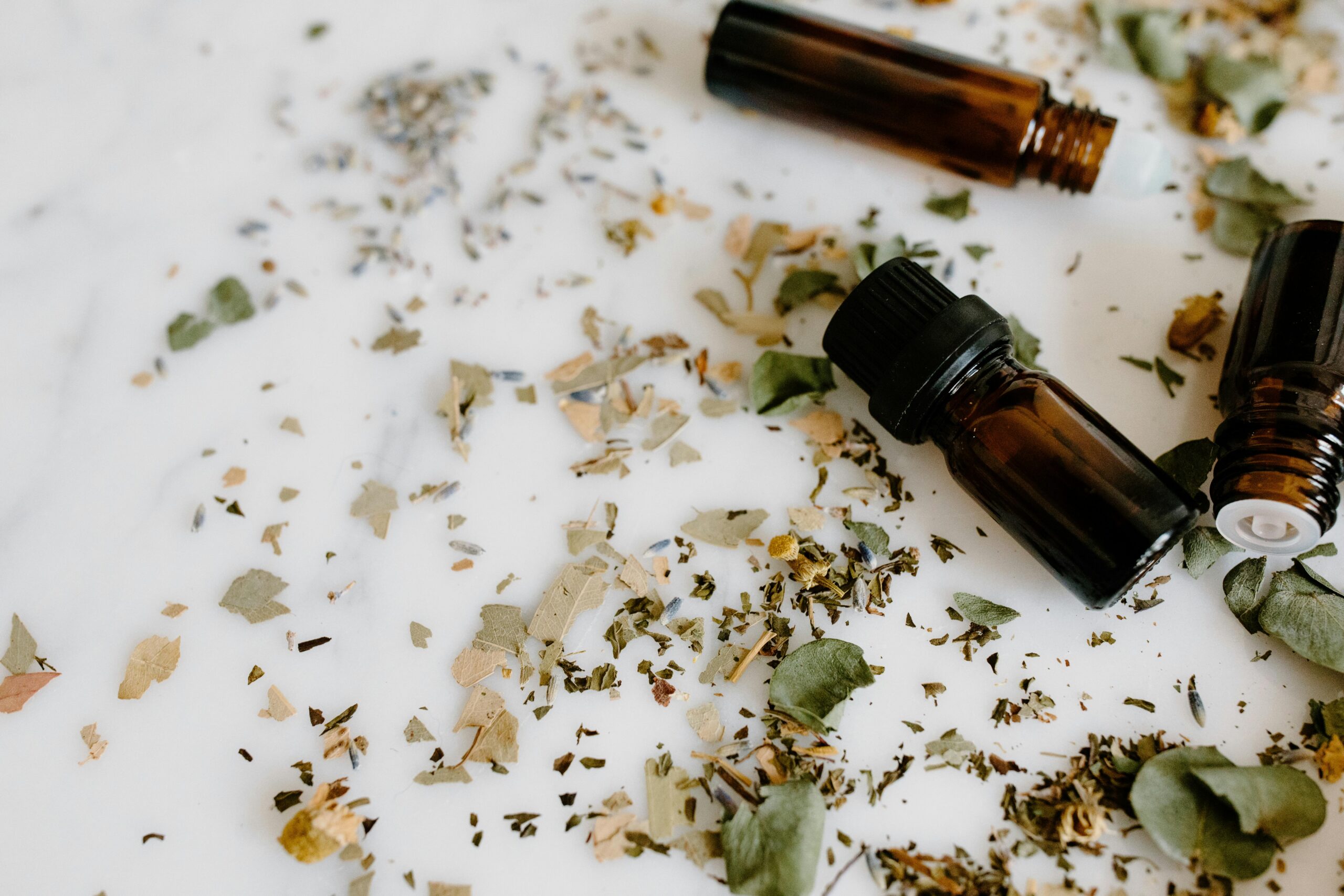
Essential oils are concentrated plant extracts obtained from various parts of plants, including:
- Flowers
- Leaves
- Bark
- Roots
- Seeds
- Fruits
These oils capture the plant’s characteristic aroma and natural compounds.
Each essential oil possesses a unique scent profile and may be used in different wellness applications.
A Brief History of Aromatherapy
The use of aromatic plants dates back thousands of years.
Ancient civilizations utilized botanical fragrances for:
- Religious ceremonies
- Personal care
- Traditional wellness practices
- Household fragrance
Historical records show that cultures in regions such as Egypt, India, China, Greece, and the Middle East incorporated aromatic plants into daily life.
Modern aromatherapy evolved as scientific interest in plant extracts and fragrance-based wellness practices grew during the twentieth century.
Today, aromatherapy is a global wellness industry enjoyed by millions of people.
How Aromatherapy Works
The experience of aromatherapy primarily involves the sense of smell.
When aromatic molecules are inhaled, scent receptors in the nose send signals to areas of the brain associated with:
- Memory
- Emotion
- Mood
- Sensory processing
This connection helps explain why certain scents may evoke strong feelings, memories, or emotional responses.
Many people use aromatherapy to create environments that feel:
- Relaxing
- Refreshing
- Energizing
- Comforting
Popular Essential Oils and Their Aromas
Different essential oils offer distinct fragrance profiles.
Lavender Essential Oil
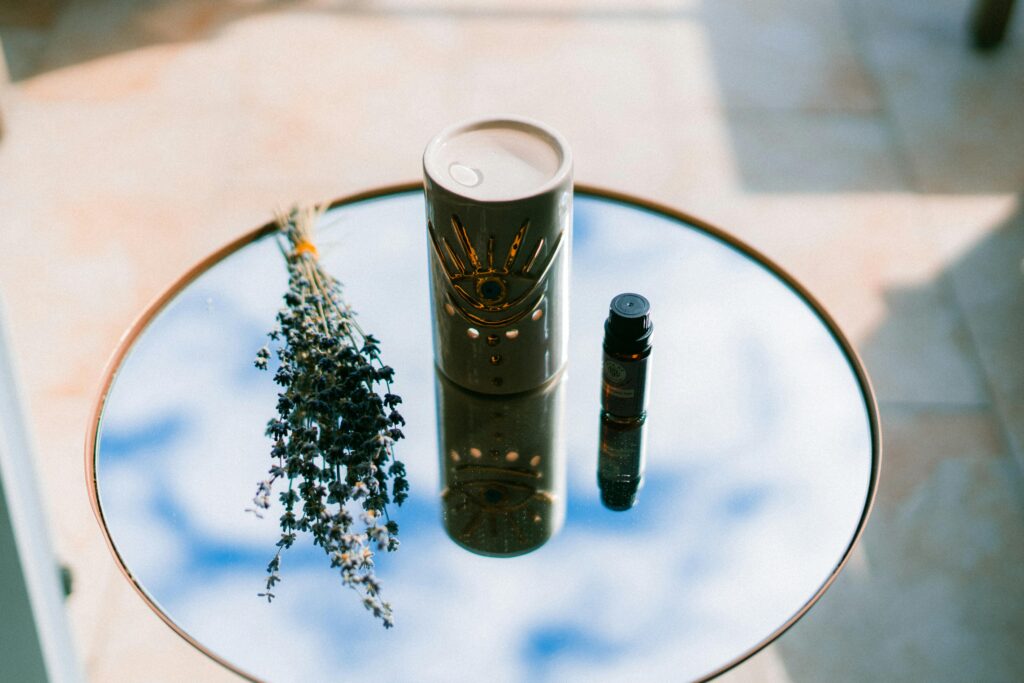
Lavender is one of the most widely recognized essential oils.
Its scent is often described as:
- Floral
- Fresh
- Soft
- Calming
Many people enjoy lavender in evening relaxation routines.
Peppermint Essential Oil
Peppermint has a refreshing aroma that is:
- Cool
- Crisp
- Invigorating
It is commonly used in energizing environments.
Eucalyptus Essential Oil
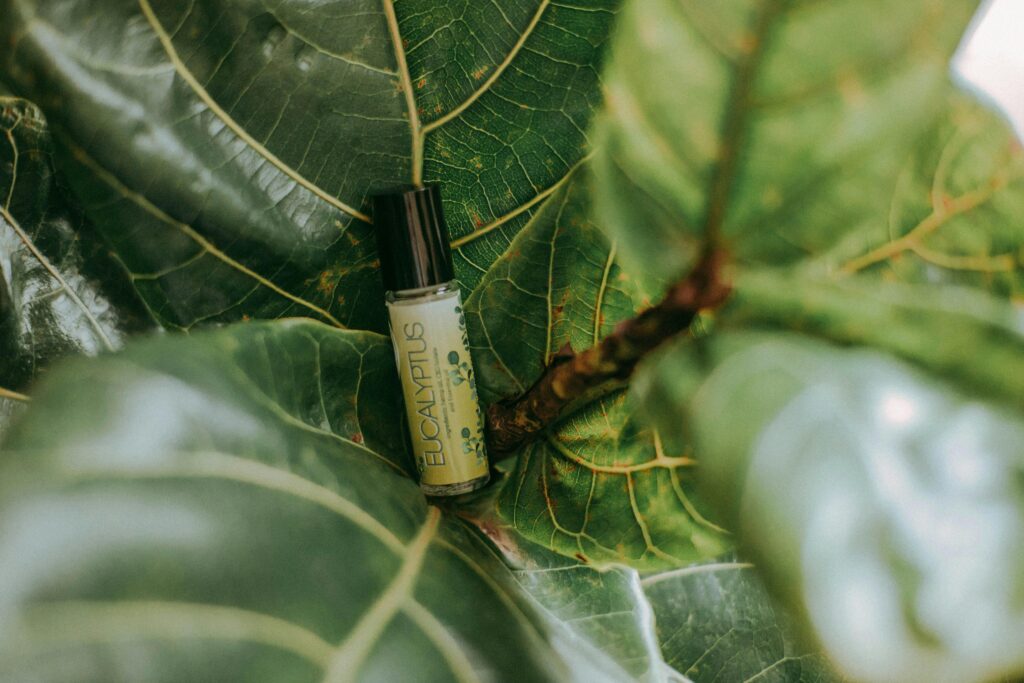
Eucalyptus features a clean and refreshing scent.
Many people enjoy its aroma during seasonal changes and wellness routines.
Lemon Essential Oil
Lemon oil provides a bright and uplifting citrus fragrance.
Its fresh scent is frequently used in:
- Home fragrance
- Cleaning products
- Diffusers
Tea Tree Essential Oil
Tea tree oil has a strong herbal aroma and is commonly found in personal care products.
Orange Essential Oil
Orange essential oil offers a sweet and cheerful citrus fragrance that many people find pleasant and refreshing.
Rosemary Essential Oil
Rosemary has a bold herbal scent often associated with focus and freshness.
Chamomile Essential Oil
Chamomile is known for its soft, gentle aroma and is frequently included in relaxation-focused blends.
Potential Benefits of Aromatherapy
Individual experiences vary, and scientific evidence differs depending on specific uses. However, many people enjoy aromatherapy for several wellness-related reasons.
Promoting Relaxation
One of the most common uses of aromatherapy is supporting relaxation.
Pleasant scents may help create calming environments suitable for:
- Reading
- Meditation
- Evening routines
- Self-care practices
Enhancing Home Atmosphere
Essential oils can help create welcoming indoor spaces.
Different scents may be chosen based on:
- Personal preference
- Seasonal moods
- Desired ambiance
Supporting Mindfulness Practices
Many people pair aromatherapy with:
- Meditation
- Deep breathing exercises
- Yoga sessions
- Relaxation techniques
The sensory experience can complement mindfulness routines.
Encouraging Positive Mood
Certain fragrances are often associated with uplifting and refreshing environments.
Personal scent preferences play a significant role in these experiences.
Popular Aromatherapy Methods
There are several ways people use essential oils.
Diffusers
Diffusers are among the most popular aromatherapy tools.
They disperse aromatic particles into the air, creating a pleasant indoor environment.
Common diffuser types include:
- Ultrasonic diffusers
- Nebulizing diffusers
- Heat diffusers
- Evaporative diffusers
Aromatherapy Baths
Some people enjoy adding properly diluted essential oils to bath routines.
The combination of warm water and fragrance can create a relaxing experience.
Massage Products
Essential oils are often diluted with carrier oils and incorporated into massage practices.
Carrier oils may include:
- Coconut oil
- Jojoba oil
- Sweet almond oil
Proper dilution is important for safety.
Room Sprays
Homemade or commercial room sprays can introduce pleasant scents into living spaces.
Personal Aromatherapy Accessories
Products such as:
- Aromatherapy jewelry
- Scented rollers
- Portable diffusers
allow users to enjoy fragrances throughout the day.
Essential Oil Blending
Many enthusiasts enjoy creating custom scent combinations.
Popular blend categories include:
Relaxation Blends
Often feature aromas such as:
- Lavender
- Chamomile
- Sandalwood
Refreshing Blends
May include:
- Lemon
- Peppermint
- Eucalyptus
Seasonal Blends
Popular seasonal aromas include:
- Orange
- Cinnamon-inspired scents
- Pine fragrances
Floral Blends
These combinations often incorporate:
- Rose
- Lavender
- Geranium
Custom blending allows users to personalize their aromatherapy experiences.
Aromatherapy in Home Wellness Routines
Many people integrate aromatherapy into daily habits.
Morning Wellness Rituals
Refreshing scents can help create a positive start to the day.
Examples include:
- Citrus aromas
- Herbal fragrances
- Mint-based blends
Work-From-Home Environments
Home offices often benefit from pleasant and non-overpowering scents.
Many users select fragrances that contribute to a comfortable workspace.
Evening Relaxation
Calming aromas are commonly used during:
- Reading
- Meditation
- Quiet leisure activities
Evening aromatherapy can become part of a consistent self-care routine.
Aromatherapy and Self-Care
Self-care involves activities that support overall well-being and personal balance.
Aromatherapy often complements:
- Spa-inspired experiences
- Mindfulness exercises
- Relaxation rituals
- Personal wellness practices
Simple moments of sensory enjoyment can contribute to a more relaxing daily routine.
Essential Oil Safety Guidelines
Although essential oils are plant-derived, safe usage remains important.
Always Follow Product Instructions
Different oils may have different usage recommendations.
Read labels carefully before use.
Avoid Direct Skin Application Without Dilution
Many essential oils are highly concentrated.
They should generally be diluted using an appropriate carrier oil before skin use.
Keep Oils Away From Eyes
Essential oils should not come into contact with sensitive areas.
Store Properly
Store oils in:
- Cool locations
- Dark containers
- Secure spaces away from children and pets
Proper storage helps maintain quality.
Consider Individual Sensitivities
People may respond differently to fragrances.
Discontinue use if irritation or discomfort occurs.
Choosing Quality Essential Oils
Product quality varies significantly within the marketplace.
When shopping, consider:
- Transparent labeling
- Reputable manufacturers
- Ingredient information
- Proper packaging
Researching brands can help consumers make informed choices.
Sustainable Aromatherapy Practices
As demand grows, sustainability has become increasingly important.
Consumers are paying greater attention to:
- Ethical sourcing
- Responsible harvesting
- Environmental stewardship
Supporting sustainable practices helps protect natural resources.
Aromatherapy Trends in Modern Wellness
The aromatherapy industry continues evolving.
Smart Diffusers
Modern diffusers may include:
- Mobile app controls
- Scheduling features
- Smart home integration
Technology is enhancing convenience.
Personalized Wellness Products
Consumers increasingly seek customized scent experiences based on personal preferences.
Eco-Friendly Packaging
Many brands are reducing waste through sustainable packaging initiatives.
Wellness Subscription Services
Curated essential oil collections and aromatherapy products have become popular among wellness enthusiasts.
Common Misconceptions About Aromatherapy
Several myths surround essential oils.
Myth 1: More Oil Means Better Results
Using excessive amounts does not necessarily improve the experience.
Myth 2: All Essential Oils Are Identical
Quality, sourcing, and production methods vary significantly.
Myth 3: Natural Means Completely Risk-Free
Even natural products require safe and responsible use.
Myth 4: Aromatherapy Replaces Medical Care
Aromatherapy is generally considered a complementary wellness practice, not a substitute for professional healthcare.
The Future of Aromatherapy and Essential Oils
As wellness continues to gain importance globally, aromatherapy is expected to remain a popular lifestyle practice.
Future developments may include:
- Advanced smart diffusers
- Sustainable cultivation methods
- Personalized fragrance technologies
- Greater transparency in sourcing
- Innovative wellness applications
The combination of tradition and innovation will likely continue shaping the aromatherapy industry.
Final Thoughts
Aromatherapy and essential oils offer a fascinating blend of history, sensory enjoyment, and modern wellness practices. From creating relaxing home environments to supporting mindfulness routines and self-care rituals, essential oils have become an integral part of many people’s daily lives.
At Daily Insight Journal, we believe wellness is often built through simple habits that encourage balance, comfort, and intentional living. Aromatherapy provides an accessible way to enhance everyday experiences through the power of scent and personal ritual.
Whether you enjoy lavender during an evening wind-down routine, citrus fragrances in the morning, or custom blends for your living space, aromatherapy offers countless opportunities to create a more enjoyable and calming environment.
As interest in natural wellness continues to grow, aromatherapy and essential oils are likely to remain valuable tools for individuals seeking relaxation, mindfulness, and a deeper connection to their surroundings.
For more wellness insights, lifestyle guides, and health-focused articles, continue visiting Daily Insight Journal.