
Plant-Based Wellness Living: A Complete Guide to Healthier and More Sustainable Lifestyle Choices
In recent years, plant-based wellness living has evolved from a niche lifestyle trend into a global movement embraced by millions of people seeking healthier habits, environmental awareness, and improved overall well-being. While the concept often begins with food choices, plant-based wellness extends far beyond diet. It encompasses mindful living, sustainable practices, balanced nutrition, physical activity, mental wellness, and a greater connection with nature.
Many people are attracted to plant-based lifestyles because they offer opportunities to focus on whole foods, increase nutrient intake, reduce reliance on heavily processed products, and adopt habits that support long-term wellness. At the same time, growing awareness of environmental sustainability and ethical consumption has encouraged individuals to explore plant-centered living in various aspects of daily life.
Plant-based wellness does not necessarily require strict dietary rules or complete elimination of animal products. Instead, it often emphasizes increasing the proportion of plant-derived foods and adopting lifestyle choices that promote health, balance, and sustainability.
At Daily Insight Journal, we explore wellness trends and practical lifestyle strategies that support healthier living. In this comprehensive guide, we will discuss plant-based wellness living, its benefits, nutritional considerations, daily habits, sustainability advantages, fitness support, mental well-being, common misconceptions, and future trends shaping this growing movement.
What Is Plant-Based Wellness Living?
Plant-based wellness living is a lifestyle centered around prioritizing plant-derived foods and incorporating health-conscious habits that support overall well-being.
Key elements often include:
- Fruits
- Vegetables
- Whole grains
- Legumes
- Nuts
- Seeds
- Mindful lifestyle practices
Unlike some dietary approaches, plant-based living can be flexible and adaptable to individual preferences and goals.
For many people, the focus is on increasing plant foods rather than adhering to rigid restrictions.
Why Plant-Based Wellness Living Is Growing in Popularity
Several factors contribute to the increasing popularity of plant-based lifestyles.
Health Awareness
Many individuals seek ways to improve:
- Daily nutrition
- Energy levels
- Overall wellness
Plant-focused eating often encourages greater consumption of nutrient-dense foods.
Environmental Concerns
Consumers are becoming more aware of sustainability issues.
Many plant-based choices are associated with:
- Lower resource consumption
- Reduced environmental impact
- Greater ecological awareness
Accessibility of Plant-Based Products
The marketplace now offers a wide variety of plant-based options, making the lifestyle easier to adopt than ever before.
Social Media and Wellness Culture
Health influencers, nutrition experts, fitness professionals, and wellness communities frequently share plant-based recipes and lifestyle inspiration.
This has increased awareness and accessibility.
Core Principles of Plant-Based Wellness Living
Plant-based wellness involves more than simply changing dietary habits.
Whole Food Focus
Many plant-based approaches prioritize minimally processed foods.
Examples include:
- Fresh fruits
- Vegetables
- Beans
- Lentils
- Whole grains
These foods provide a variety of essential nutrients.
Balanced Nutrition
A successful plant-based lifestyle focuses on balance rather than extremes.
Meals often include combinations of:
- Carbohydrates
- Protein sources
- Healthy fats
- Fiber-rich ingredients
Mindful Consumption
Plant-based wellness encourages thoughtful food and lifestyle choices.
This may involve considering:
- Food quality
- Sustainability
- Personal health goals
Long-Term Sustainability
Rather than following short-term diets, many individuals adopt plant-based habits as part of a sustainable lifestyle.
Nutritional Benefits of Plant-Based Eating
Plant foods contain a wide range of nutrients that support overall health.
Dietary Fiber
Fiber is abundant in many plant foods.
Sources include:
- Fruits
- Vegetables
- Legumes
- Whole grains
Fiber supports digestive health and contributes to feelings of fullness.
Vitamins and Minerals
Plant foods provide important nutrients such as:
- Vitamin C
- Potassium
- Magnesium
- Folate
A diverse diet helps support nutrient intake.
Antioxidants
Many colorful fruits and vegetables contain naturally occurring antioxidants.
Examples include:
- Berries
- Leafy greens
- Tomatoes
- Bell peppers
These compounds are often associated with overall wellness and healthy eating patterns.
Healthy Fats
Plant-based sources of healthy fats include:
- Avocados
- Nuts
- Seeds
- Olive oil
These foods contribute to balanced nutrition.
Plant-Based Protein Sources
One common question about plant-based living involves protein intake.
Fortunately, many plant foods contain protein.
Legumes
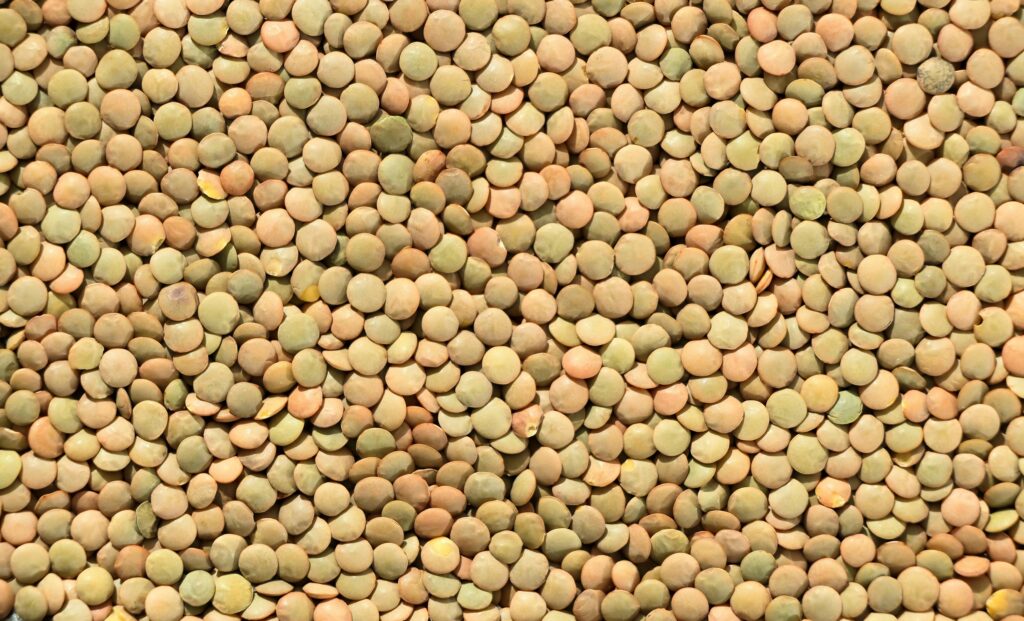
Examples include:
- Lentils
- Chickpeas
- Black beans
- Kidney beans
Legumes are versatile and nutrient-rich.
Soy Foods

Popular soy-based options include:
- Tofu
- Tempeh
- Edamame
These foods are widely used in plant-based cooking.
Nuts and Seeds
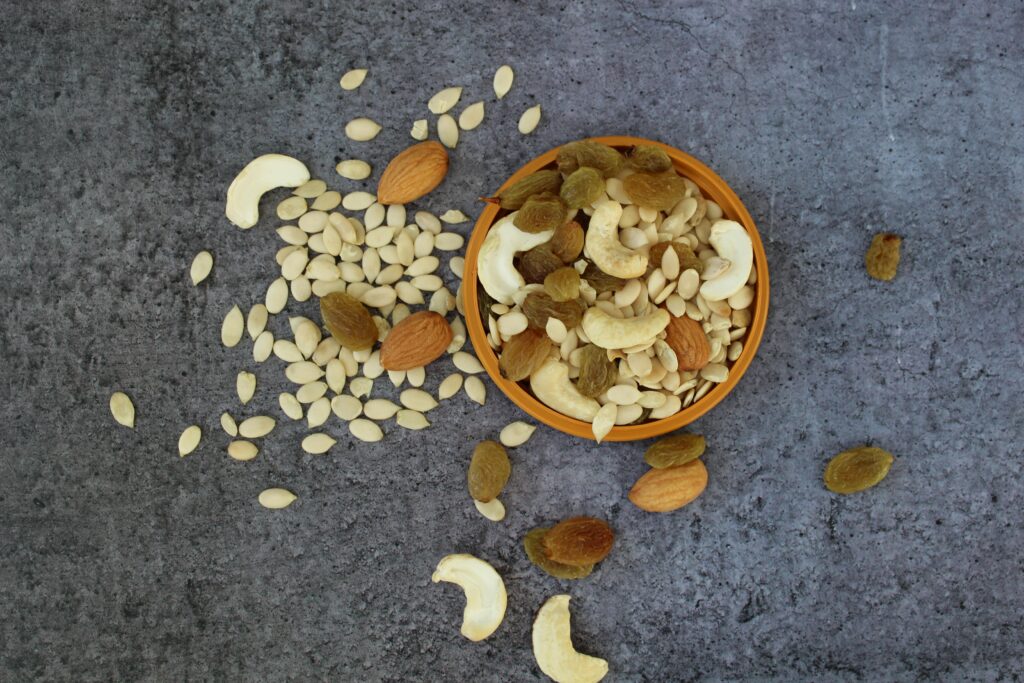
Protein-containing options include:
- Almonds
- Walnuts
- Pumpkin seeds
- Chia seeds
They also provide healthy fats and minerals.
Whole Grains
Certain grains contribute meaningful amounts of protein, including:
- Quinoa
- Oats
- Brown rice
Combining various plant foods helps create balanced meals.
Daily Habits for Plant-Based Wellness Living
Successful wellness lifestyles often depend on consistent daily habits.
Eat a Variety of Foods
Diversity supports balanced nutrition.
Try incorporating:
- Different vegetables
- Seasonal fruits
- Whole grains
- Legumes
Variety also makes meals more enjoyable.
Stay Hydrated
Water plays a critical role in:
- Digestion
- Energy regulation
- Physical performance
Proper hydration supports overall wellness.
Prioritize Physical Activity
Plant-based living often complements active lifestyles.
Examples include:
- Walking
- Cycling
- Strength training
- Yoga
Regular movement supports both physical and mental health.
Practice Mindful Eating
Mindful eating involves paying attention to:
- Hunger cues
- Food choices
- Eating experiences
This habit can encourage healthier relationships with food.
Plant-Based Wellness and Mental Well-Being
Wellness extends beyond physical health.
Connection Between Food and Mood
Nutrition influences many aspects of daily functioning.
Balanced meals may help support:
- Energy levels
- Focus
- Overall wellness
Stress Management
Many plant-based wellness enthusiasts incorporate practices such as:
- Meditation
- Journaling
- Nature walks
- Deep breathing exercises
These habits support emotional balance.
Better Lifestyle Awareness
Plant-based living often encourages greater mindfulness regarding daily habits and self-care.
Sustainable Living and Environmental Benefits
Environmental sustainability is a major reason many people explore plant-based lifestyles.
Reduced Resource Consumption
Plant-based food systems often require fewer natural resources than many animal-based production systems.
Lower Environmental Impact
Sustainability-focused consumers may choose plant-based options as part of broader environmental goals.
Reduced Food Waste
Mindful meal planning can help reduce unnecessary waste.
Eco-Friendly Lifestyle Choices
Many plant-based wellness advocates also focus on:
- Reusable products
- Sustainable shopping
- Reduced consumption habits
Plant-Based Wellness Beyond Food
The philosophy often extends into other aspects of life.
Natural Home Environments
People may create wellness-oriented spaces through:
- Indoor plants
- Natural lighting
- Minimalist organization
Plant-Based Personal Care Products
Consumers increasingly seek products containing botanical ingredients.
Examples include:
- Skincare products
- Hair care items
- Natural wellness products
Outdoor Activities
Nature-based activities often complement plant-based lifestyles.
Popular choices include:
- Gardening
- Hiking
- Outdoor exercise
These activities encourage connection with the environment.
Common Misconceptions About Plant-Based Living
Several myths continue to surround plant-based wellness.
Myth 1: Plant-Based Means All or Nothing
Many people successfully adopt flexible approaches.
Small dietary changes can still be meaningful.
Myth 2: Plant-Based Eating Is Expensive
Staples such as:
- Beans
- Rice
- Oats
- Vegetables
are often affordable and widely available.
Myth 3: Plant-Based Diets Lack Protein
Many plant foods provide protein when meals are planned thoughtfully.
Myth 4: Plant-Based Living Is Difficult
With modern recipes, meal planning tools, and grocery availability, plant-based living is more accessible than ever.
Tips for Starting a Plant-Based Wellness Lifestyle
Transitioning gradually often works best.
Start With One Meal Per Day
Introduce more plant-based foods gradually rather than making dramatic changes overnight.
Experiment With New Recipes
Trying new dishes can make the process enjoyable and sustainable.
Focus on Addition Rather Than Restriction
Add more:
- Vegetables
- Fruits
- Whole grains
- Legumes
instead of focusing solely on foods to avoid.
Learn Basic Meal Planning
Preparation helps ensure variety and convenience.
Stay Flexible
Plant-based wellness should support your lifestyle rather than create unnecessary stress.
Technology and the Future of Plant-Based Wellness
Technology continues driving innovation in this space.
Plant-Based Product Innovation
Food manufacturers continue developing new options that appeal to diverse consumers.
Nutrition Tracking Apps
Digital tools help users:
- Monitor nutrient intake
- Plan meals
- Track wellness goals
Personalized Nutrition
Future technologies may offer customized recommendations based on:
- Lifestyle
- Activity levels
- Individual preferences
Sustainable Food Systems
Advancements in agriculture and food production may improve sustainability and accessibility.
Future Trends in Plant-Based Wellness Living
Several trends are expected to shape the future.
Increased Focus on Whole Foods
Consumers are becoming more interested in minimally processed options.
Sustainable Consumer Choices
Environmental awareness continues to influence purchasing decisions.
Wellness Integration
Plant-based living is increasingly connected to broader wellness practices.
Community Support
Online communities and educational resources continue expanding.
Personalized Health Approaches
Future wellness programs may become increasingly tailored to individual needs.
Final Thoughts
Plant-based wellness living is about much more than dietary preferences. It represents a holistic approach to health, sustainability, mindfulness, and intentional lifestyle choices. By prioritizing nutrient-rich plant foods, engaging in regular physical activity, managing stress, and adopting environmentally conscious habits, individuals can create a balanced approach to modern wellness.
At Daily Insight Journal, we believe that lasting health is built through practical and sustainable habits rather than extreme solutions. Plant-based wellness offers a flexible framework that can be adapted to different lifestyles, goals, and personal preferences.
Whether your objective is improving nutrition, supporting environmental sustainability, enhancing daily energy, or simply exploring healthier habits, plant-based wellness living provides numerous opportunities for growth and positive change.
As awareness continues to grow and innovation expands access to plant-based products and resources, this lifestyle movement is likely to remain an important part of the future of health and wellness.
For more wellness guides, healthy living tips, and lifestyle insights, continue visiting Daily Insight Journal.