Smart Home Security Devices: Modern Solutions for a Safer and Smarter Home
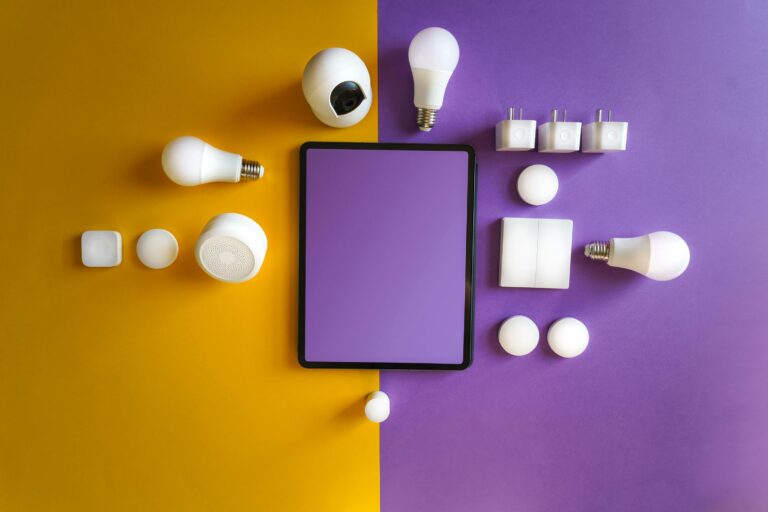
Technology has transformed the way homeowners protect their properties and families. Traditional locks and basic alarm systems are now being replaced by advanced smart home security devices that offer convenience, automation, and real-time monitoring. From smart cameras and video doorbells to intelligent locks and motion sensors, modern home security systems provide stronger protection while making homes more connected.
As crime prevention and home automation continue to evolve, smart security devices have become increasingly popular among homeowners and renters alike. These devices not only improve safety but also provide peace of mind by allowing users to monitor their homes remotely through smartphones and connected apps.
At Daily Insights Journal, we believe smart technology should make everyday living safer and more efficient. In this guide, we will explore the best smart home security devices, their benefits, important features, installation tips, and how to choose the right security system for your needs.
What Are Smart Home Security Devices?
Smart home security devices are internet-connected gadgets designed to protect homes through monitoring, alerts, automation, and remote access.
Unlike traditional security systems, smart devices can communicate with smartphones, tablets, and voice assistants, allowing homeowners to monitor and control security features from anywhere.
Popular smart home security devices include:
- Smart security cameras
- Video doorbells
- Smart locks
- Motion sensors
- Alarm systems
- Smart lighting
- Window and door sensors
- Smoke and carbon monoxide detectors
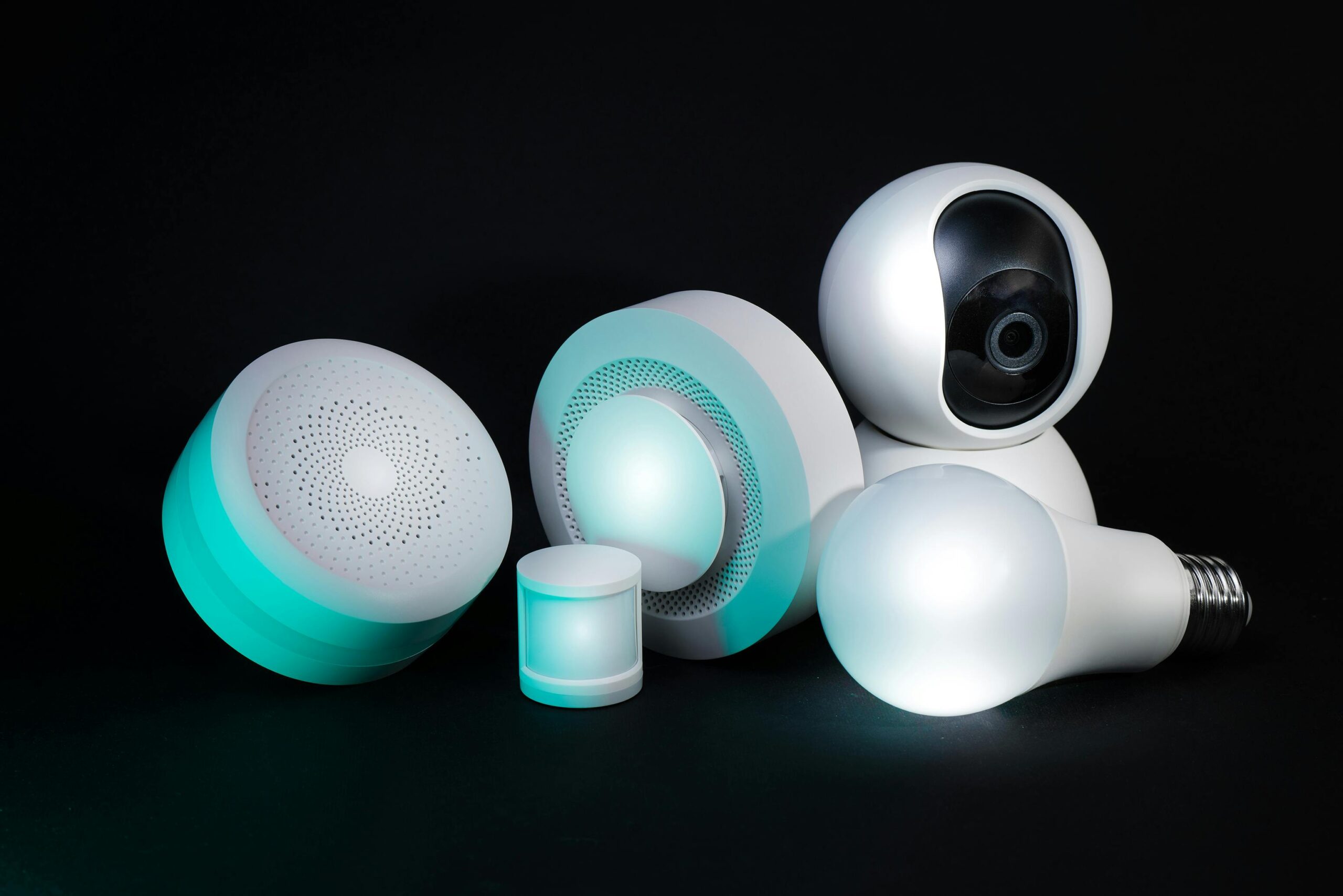
These devices work together to create a connected and intelligent security network.
Benefits of Smart Home Security Devices
Smart security systems offer many advantages compared to traditional home protection methods.
Remote Monitoring

One of the biggest benefits of smart home security devices is the ability to monitor your home remotely.
Using mobile apps, homeowners can:
- View live camera footage
- Lock or unlock doors
- Receive motion alerts
- Monitor deliveries
- Check alarm status
This feature is especially useful for travelers and busy homeowners.
Real-Time Alerts
Smart security devices send instant notifications when suspicious activity occurs.
Alerts may include:
- Motion detection
- Door openings
- Window activity
- Smoke detection
- Water leaks
Quick alerts help homeowners respond faster to emergencies.
Improved Home Automation
Many smart security devices integrate with home automation systems.
For example:
- Lights can turn on automatically when motion is detected
- Doors can lock automatically at night
- Cameras can activate during certain hours
- Voice assistants can control security settings
Automation improves convenience while enhancing security.
Enhanced Peace of Mind
Knowing your home is protected 24/7 provides emotional comfort and confidence.
Smart security systems help homeowners feel safer whether they are at home or away.
Smart Security Cameras
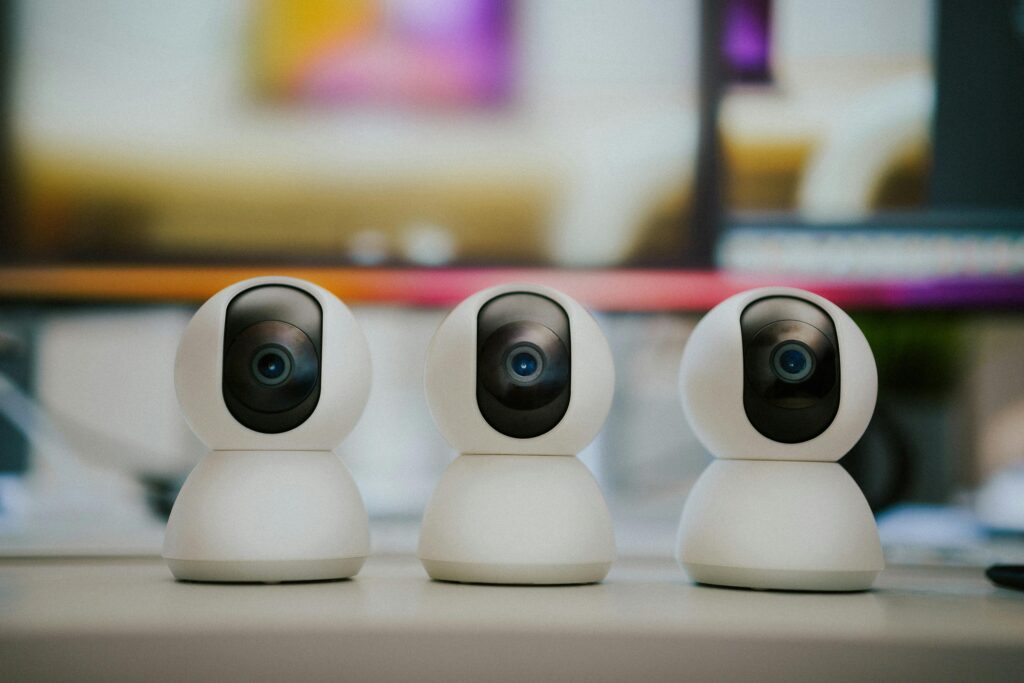
Security cameras are among the most popular smart home protection devices.
Indoor Security Cameras
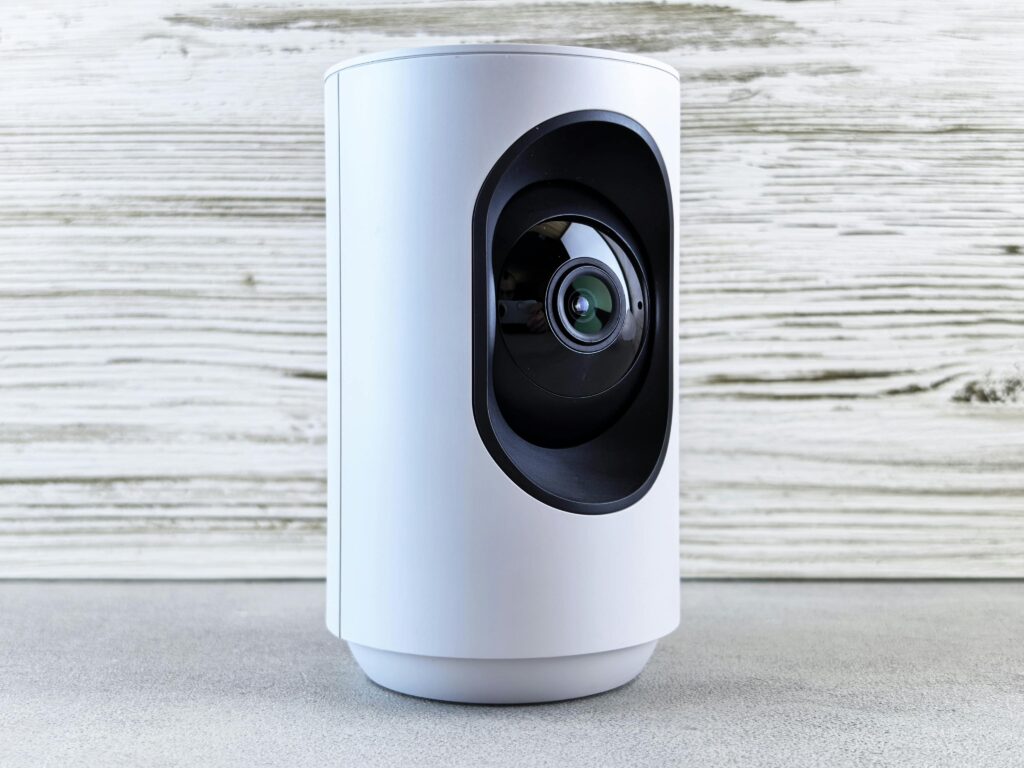
Indoor cameras help monitor:
- Entryways
- Living rooms
- Hallways
- Nurseries
- Pets
Popular features include:
- HD video quality
- Two-way audio
- Motion detection
- Night vision
- Cloud storage
Indoor cameras are useful for both security and daily monitoring.
Outdoor Security Cameras
Outdoor cameras provide surveillance around:
- Front doors
- Garages
- Driveways
- Backyards
- Side entrances
Weather-resistant cameras with wide viewing angles offer stronger outdoor protection.
Wireless Security Cameras
Wireless cameras are easier to install because they do not require extensive wiring.
They connect through Wi-Fi and often support smartphone access for live viewing and alerts.
Video Doorbells
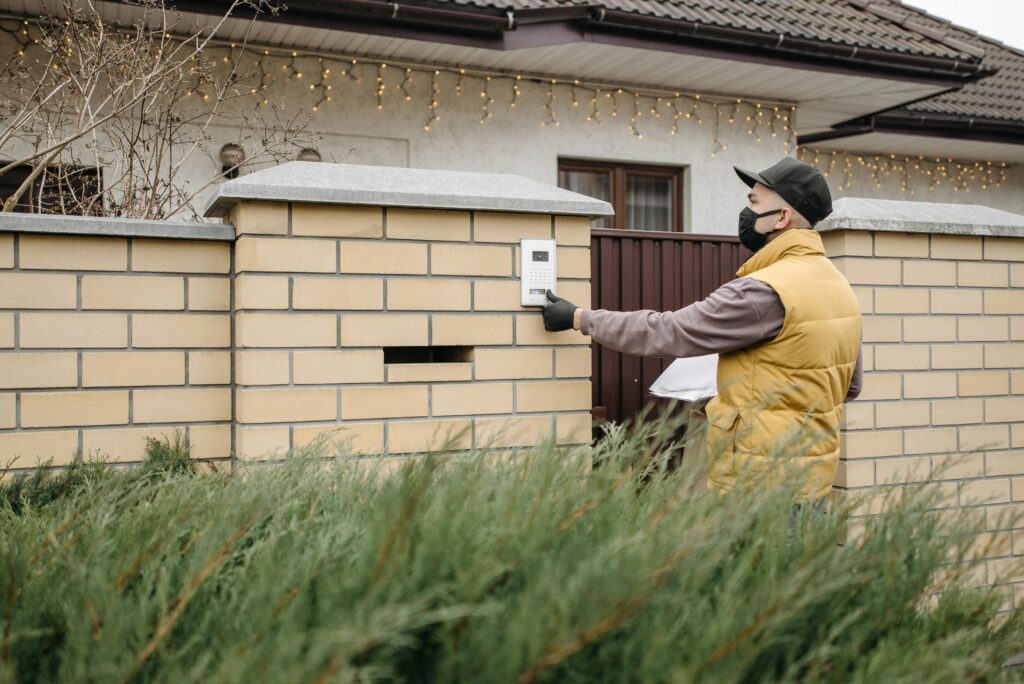
Video doorbells have become one of the most popular smart home security upgrades.
These devices combine cameras, microphones, and motion sensors into a connected front-door monitoring system.
Benefits of Video Doorbells
Video doorbells allow homeowners to:
- See visitors remotely
- Speak with delivery drivers
- Monitor package deliveries
- Detect suspicious activity
- Record front-door footage
They improve convenience while enhancing entryway security.
Important Features to Consider
When choosing a video doorbell, look for:
- HD video resolution
- Motion detection zones
- Night vision
- Two-way audio
- Cloud or local storage
- Smartphone notifications
These features improve both usability and protection.
Smart Locks
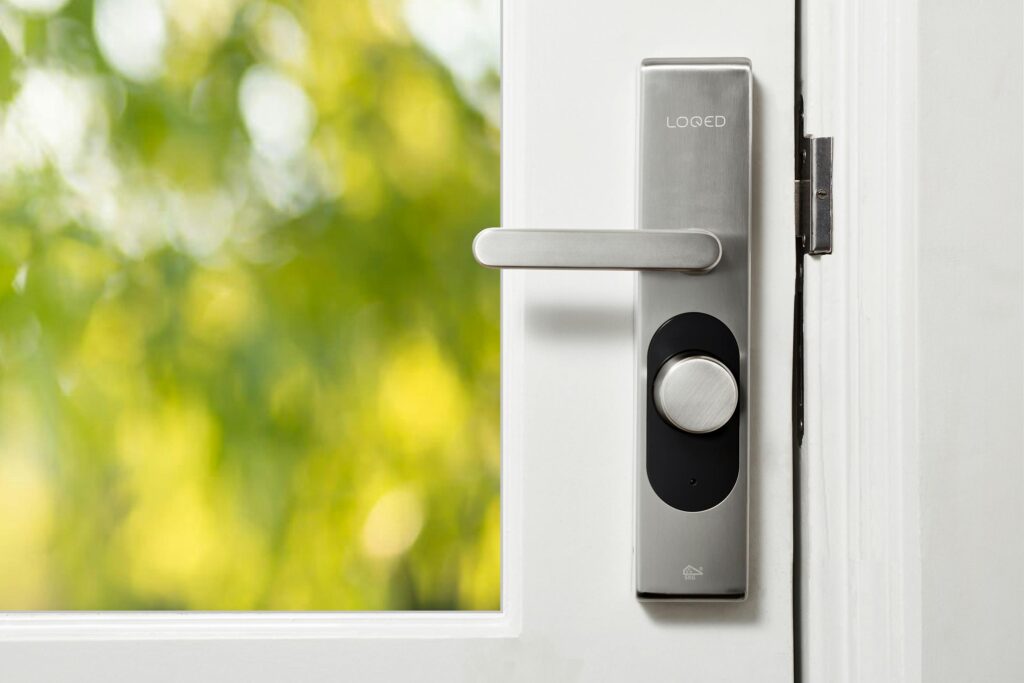
Smart locks provide keyless entry and remote access control.
They are becoming increasingly common in modern homes.
Advantages of Smart Locks
Smart locks offer several benefits such as:
- Remote locking and unlocking
- Temporary guest access codes
- Auto-lock features
- Activity tracking
- Smartphone integration
Homeowners no longer need to worry about lost keys.
Types of Smart Locks
Common smart lock options include:
- Keypad locks
- Fingerprint locks
- Bluetooth-enabled locks
- Wi-Fi smart locks
- Voice-controlled locks
Each option provides different levels of convenience and security.
Motion Sensors and Door Sensors
Motion sensors are essential components of smart security systems.
Motion Detection Sensors
These devices detect movement inside or outside the home.
They are often used for:
- Hallways
- Entry points
- Garages
- Outdoor pathways
Motion sensors can trigger:
- Security alarms
- Camera recordings
- Smart lighting
- Mobile notifications
Window and Door Sensors
Door and window sensors detect unauthorized openings.
If a door or window is opened unexpectedly, the system sends an alert immediately.
These sensors are affordable and highly effective for improving home protection.
Smart Alarm Systems
Smart alarm systems combine multiple security devices into one centralized network.
Features of Smart Alarm Systems
Modern alarm systems often include:
- Sirens
- Motion sensors
- Door sensors
- Smartphone controls
- Professional monitoring options
- Emergency alerts
Many systems can be customized based on home size and security needs.
DIY vs Professional Installation
Some homeowners prefer DIY security systems because they are:
- Affordable
- Flexible
- Easy to install
- Expandable
Professional systems may offer:
- Expert installation
- 24/7 monitoring
- Technical support
- Advanced security integration
The best option depends on budget and personal preference.
Smart Lighting for Security
Smart lighting can improve both convenience and home safety.
Motion-Activated Lights
Outdoor motion lights automatically turn on when movement is detected.
They help:
- Deter intruders
- Improve visibility
- Increase nighttime safety
Scheduled Lighting
Smart lighting systems allow homeowners to schedule lights while away from home.
This creates the appearance that someone is home, reducing security risks.
Voice-Controlled Lighting
Many smart lighting systems integrate with voice assistants for hands-free control.
Users can adjust brightness, activate scenes, or turn lights on remotely.
Smart Smoke and Carbon Monoxide Detectors
Modern smart detectors improve emergency response and household safety.
Benefits of Smart Detectors
Smart smoke and carbon monoxide detectors provide:
- Mobile alerts
- Voice warnings
- Battery status updates
- Integration with security systems
Some systems can automatically contact emergency services during serious incidents.
Smart Home Security Integration
One major advantage of smart security devices is integration.
Many devices work together within a connected ecosystem.
Examples include:
- Cameras activating with motion sensors
- Smart locks controlling alarm systems
- Lights turning on during emergencies
- Voice assistants managing security settings
Integrated systems improve convenience and overall effectiveness.
Choosing the Right Smart Home Security Devices
Selecting the best devices depends on your home, budget, and security goals.
Consider Your Home Size
Large homes may require:
- Multiple cameras
- Additional sensors
- Extended Wi-Fi coverage
Smaller apartments may need only basic monitoring systems.
Determine Your Budget
Smart home security devices range from affordable starter kits to advanced premium systems.
Budget planning helps prioritize important features.
Check Device Compatibility
Ensure devices work with your:
- Smartphone
- Wi-Fi network
- Smart home system
- Voice assistant
Compatibility improves ease of use and system performance.
Focus on Privacy and Data Security
Because smart devices connect online, cybersecurity is important.
Protect your devices by:
- Using strong passwords
- Enabling two-factor authentication
- Updating software regularly
- Securing Wi-Fi networks
These practices reduce hacking risks.
Smart Home Security Tips for Better Protection
Position Cameras Strategically
Place cameras near:
- Entry points
- Driveways
- Garages
- Hallways
- Outdoor gathering areas
Proper placement improves surveillance coverage.
Secure Your Wi-Fi Network
An unsecured Wi-Fi network can compromise smart security systems.
Use:
- Strong passwords
- Encrypted connections
- Updated routers
- Separate guest networks
Regularly Test Devices
Check batteries, sensors, and alerts regularly to ensure systems function properly.
Routine maintenance improves reliability.
Combine Multiple Security Layers
Using several devices together creates stronger home protection.
For example:
- Cameras
- Smart locks
- Motion sensors
- Alarm systems
- Lighting automation
Layered security is more effective than relying on a single device.
Future Trends in Smart Home Security
Technology continues advancing rapidly in the home security industry.
Artificial Intelligence and Smart Detection
AI-powered cameras can distinguish between:
- People
- Animals
- Vehicles
- Packages
This reduces false alerts and improves monitoring accuracy.
Facial Recognition Technology
Some advanced systems recognize familiar faces and identify unknown visitors.
This technology is expected to become more common in future security devices.
Increased Automation
Future smart homes may include even greater automation such as:
- Predictive security alerts
- Fully integrated emergency responses
- Advanced voice-controlled systems
- Smarter energy and security management
Common Smart Home Security Mistakes to Avoid
Ignoring Software Updates
Outdated software can create security vulnerabilities.
Regular updates improve device performance and protection.
Using Weak Passwords
Simple passwords increase hacking risks.
Use unique and strong passwords for all devices and accounts.
Poor Camera Placement
Incorrect camera angles can leave blind spots.
Test viewing areas carefully during installation.
Relying Only on Technology
Smart devices improve security, but basic safety habits remain important.
Always:
- Lock doors
- Secure windows
- Monitor unusual activity
- Maintain outdoor lighting
Final Thoughts
Smart home security devices have transformed modern home protection by combining technology, automation, and convenience. From smart cameras and video doorbells to intelligent locks and motion sensors, these devices provide stronger safety while making homes more connected and efficient.
Whether you want to monitor your home remotely, improve family safety, or create a fully automated security system, smart technology offers flexible solutions for every household.
At Daily Insights Journal, we believe smart home security should balance convenience, privacy, and reliability. Investing in the right devices can provide peace of mind while protecting your home and loved ones.
You do not need to install every smart device at once. Start with the essentials, gradually expand your system, and focus on creating a secure environment that fits your lifestyle and budget.
As technology continues evolving, smart home security devices will remain an important part of modern living, helping homeowners build safer, smarter, and more efficient homes for the future.