
Kitchen Smart Appliances: Transforming Modern Cooking and Smart Home Living
Technology has completely transformed modern homes, and one of the most exciting areas of innovation is the kitchen. From smart refrigerators and voice-controlled coffee makers to AI-powered ovens and automated cooking systems, kitchen smart appliances are changing the way people cook, clean, organize, and manage daily life.
Today’s smart kitchens are designed to improve convenience, save time, reduce energy consumption, and make cooking more efficient. These appliances connect with smartphones, Wi-Fi networks, and voice assistants, creating intelligent systems that simplify household tasks.
At Daily Insights Journal, we explore the latest lifestyle and technology trends that shape modern living. In this detailed guide, we will explain everything about kitchen smart appliances, including their benefits, popular devices, features, smart home integration, energy efficiency, buying tips, future trends, and how they are redefining the modern kitchen.
What Are Kitchen Smart Appliances?
Kitchen smart appliances are internet-connected or AI-powered devices designed to automate and improve kitchen tasks.
Unlike traditional appliances, smart kitchen devices can:
- Connect to Wi-Fi
- Be controlled remotely
- Use voice commands
- Monitor cooking processes
- Send notifications
- Learn user preferences
These appliances help create more efficient and connected kitchens.
Why Smart Kitchens Are Becoming Popular
Modern lifestyles prioritize convenience and automation.
People increasingly want homes that:
- Save time
- Reduce manual work
- Improve efficiency
- Enhance cooking experiences
- Support sustainable living
Smart kitchen technology addresses all of these needs.
Benefits of Kitchen Smart Appliances
Smart appliances offer several practical advantages.
1. Convenience and Automation
One of the biggest benefits is convenience.
Users can:
- Start appliances remotely
- Schedule cooking times
- Receive smartphone alerts
- Use voice controls
Automation simplifies daily kitchen tasks.
2. Time-Saving Features
Smart devices reduce cooking and cleaning time.
Examples include:
- Automated meal preparation
- Self-cleaning systems
- Smart timers
- Fast cooking technologies
Busy households benefit greatly from these features.
3. Energy Efficiency
Many smart appliances optimize energy usage.
They may:
- Automatically power down
- Monitor electricity consumption
- Adjust temperature efficiently
This helps lower utility costs.
4. Improved Cooking Accuracy
Smart cooking appliances improve precision.
Features may include:
- AI cooking assistance
- Temperature monitoring
- Recipe guidance
- Automatic adjustments
This reduces cooking mistakes.
5. Enhanced Safety
Smart kitchens often include advanced safety systems.
Examples include:
- Automatic shutoff
- Leak detection
- Smoke monitoring
- Child safety controls
Safety improvements are especially valuable for families.
Popular Kitchen Smart Appliances
Modern smart kitchens include many connected devices.
Smart Refrigerators

Smart refrigerators are among the most advanced kitchen appliances.
Features
- Touchscreen displays
- Internal cameras
- Grocery tracking
- Expiration reminders
- Wi-Fi connectivity
Some models allow users to check fridge contents remotely through smartphone apps.
Smart Ovens
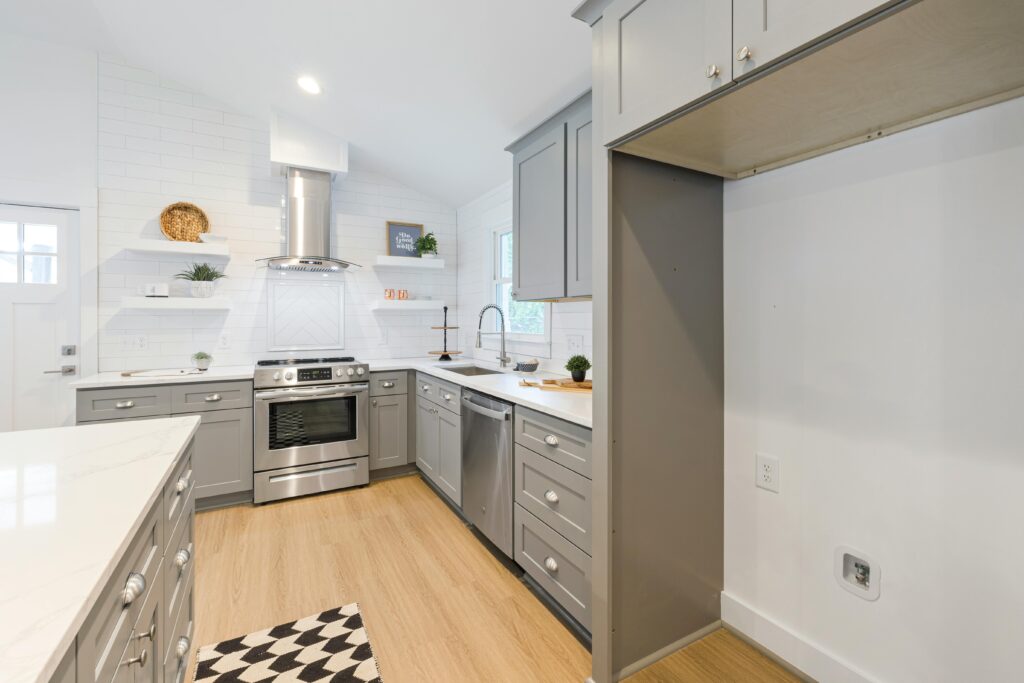
Smart ovens improve cooking precision and automation.
Common Features
- Remote temperature control
- AI cooking modes
- Voice assistant integration
- Automatic cooking settings
Certain ovens can recognize food types and recommend cooking times.
Smart Coffee Makers

Coffee machines are becoming increasingly intelligent.
Features
- Scheduled brewing
- Smartphone control
- Voice activation
- Personalized drink settings
Users can prepare coffee before even entering the kitchen.
Smart Dishwashers
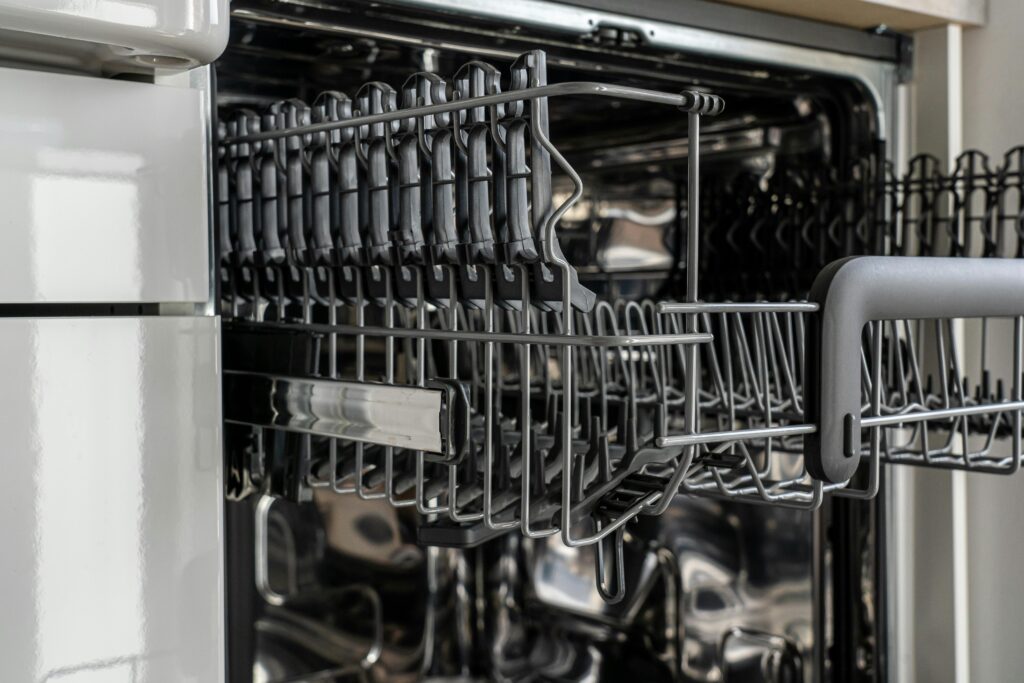
Smart dishwashers improve efficiency and water management.
Benefits
- Remote monitoring
- Water usage optimization
- Maintenance alerts
- Energy-saving cycles
These systems help reduce household utility consumption.
Smart Microwaves
Modern microwaves now include advanced automation.
Features
- Sensor cooking
- Barcode scanning
- Voice controls
- Automated heating programs
Some microwaves automatically adjust power levels based on food type.
Smart Air Fryers
Air fryers are now among the most popular smart kitchen devices.
Advantages
- Healthier cooking
- App-based recipes
- Remote monitoring
- Fast cooking
Smart air fryers combine convenience with healthier meal preparation.
Smart Blenders and Food Processors
Connected blending systems simplify meal preparation.
Functions
- Pre-programmed recipes
- Automatic speed adjustment
- Nutrition tracking
These appliances support healthier lifestyles.
Voice Assistants and Smart Kitchens
Voice assistants play a major role in kitchen automation.
Popular systems include:
- Amazon Alexa
- Google Assistant
- Apple HomeKit
Users can:
- Set timers
- Control appliances
- Search recipes
- Create shopping lists
Hands-free control improves kitchen convenience.
Smart Kitchen Integration
Modern kitchens increasingly operate as connected ecosystems.
Centralized Smart Home Systems
Kitchen devices can work together through smart home platforms.
For example:
- Smart ovens communicate with smartphones
- Refrigerators update grocery lists
- Lighting adjusts automatically during cooking
Integration improves overall efficiency.
Mobile App Connectivity
Most smart appliances include dedicated mobile apps.
Apps may provide:
- Remote controls
- Maintenance notifications
- Energy monitoring
- Cooking assistance
Users can manage appliances from almost anywhere.
AI and Machine Learning in Smart Kitchens
Artificial intelligence is transforming kitchen appliances.
AI Cooking Assistance
Some appliances can:
- Detect ingredients
- Recommend recipes
- Adjust cooking automatically
AI helps improve meal quality and convenience.
Personalized Experiences
Machine learning systems remember user preferences.
Examples include:
- Favorite coffee settings
- Cooking habits
- Temperature preferences
Smart kitchens become more customized over time.
Energy Efficiency and Sustainability
Sustainability is an important focus in modern kitchen design.
Reduced Energy Consumption
Smart appliances optimize electricity usage.
Examples include:
- Eco cooking modes
- Smart cooling systems
- Power-saving standby modes
This reduces environmental impact.
Smart Water Usage
Dishwashers and smart faucets help reduce water waste.
Efficient water management supports eco-friendly living.
Food Waste Reduction
Smart refrigerators help monitor expiration dates and inventory.
This encourages better food management.
Smart Kitchen Design Trends
Modern kitchens are evolving alongside technology.
Minimalist Smart Kitchens
Clean designs and hidden technology are becoming more popular.
Touchless Technology
Touchless systems improve hygiene.
Examples include:
- Motion-sensor faucets
- Voice-controlled appliances
Compact Smart Appliances
Urban homes increasingly use space-saving smart devices.
Compact appliances improve functionality in smaller kitchens.
Challenges of Smart Kitchen Appliances
Despite many benefits, there are some challenges.
High Initial Costs
Smart appliances are often more expensive than traditional models.
Internet Dependence
Some features require stable Wi-Fi connections.
Privacy and Security Concerns
Connected appliances may collect user data.
Cybersecurity is becoming increasingly important in smart homes.
Learning Curve
Some users may find advanced technology confusing at first.
Simple interfaces improve user experience.
Tips for Buying Kitchen Smart Appliances
Choosing the right appliances requires careful planning.
Consider Your Needs
Not every household needs every smart feature.
Focus on practical benefits.
Check Compatibility
Ensure appliances work with your preferred smart home system.
Research Energy Ratings
Energy-efficient models save money over time.
Read Reviews
Customer reviews help identify reliability and performance issues.
Focus on Long-Term Value
Quality and durability are more important than unnecessary features.
Future Trends in Kitchen Smart Appliances
Smart kitchens will continue evolving rapidly.
AI-Powered Fully Automated Cooking
Future systems may prepare meals almost entirely automatically.
Smart Grocery Management
Refrigerators may soon order groceries automatically.
Advanced Robotics
Kitchen robots could eventually assist with:
- Chopping
- Cleaning
- Cooking
Sustainability Innovations
Future appliances will likely prioritize:
- Lower energy use
- Recyclable materials
- Reduced waste systems
Is Investing in Smart Kitchen Appliances Worth It?
For many households, smart kitchen technology provides meaningful convenience and efficiency.
Key Benefits
- Time savings
- Better energy efficiency
- Improved cooking precision
- Enhanced safety
- Modern home integration
However, purchasing decisions should align with lifestyle needs and budget.
Final Thoughts
Kitchen smart appliances are transforming how modern households cook, clean, and manage everyday life. Through automation, AI integration, voice controls, and connected ecosystems, these devices offer convenience, efficiency, and smarter living experiences.
At Daily Insights Journal, we believe technology should simplify life while supporting comfort, sustainability, and productivity. Smart kitchen appliances represent one of the most exciting advancements in modern home design and connected living.
From smart refrigerators and AI-powered ovens to automated coffee makers and app-controlled dishwashers, today’s kitchens are becoming more intelligent and personalized than ever before.
As technology continues evolving, smart kitchens will likely become even more integrated, efficient, and environmentally friendly.
By carefully selecting useful and reliable smart appliances, homeowners can create kitchens that improve convenience, support healthier lifestyles, and enhance the overall home experience.
For more technology trends, smart home insights, and modern lifestyle guides, continue visiting Daily Insights Journal.