Wireless Charging Solutions: The Future of Convenient and Cable-Free Power
Technology continues to evolve toward greater convenience, portability, and smarter living. One of the most noticeable innovations in modern electronics is wireless charging technology. From smartphones and smartwatches to earbuds, electric vehicles, and furniture-integrated charging systems, wireless charging solutions are transforming how people power their devices.
Traditional wired charging methods often create cable clutter, wear-and-tear problems, and limited flexibility. Wireless charging eliminates many of these issues by allowing users to charge devices simply by placing them on a compatible charging surface.
As homes, offices, vehicles, and public spaces become increasingly connected, wireless charging is quickly becoming an important part of modern digital lifestyles.
At Daily Insight Journal, we explore the latest technology trends shaping modern living. In this comprehensive guide, we will discuss everything about wireless charging solutions, including how they work, types of wireless chargers, advantages, challenges, smart home integration, future innovations, and how this technology is changing the electronics industry.
What Are Wireless Charging Solutions?
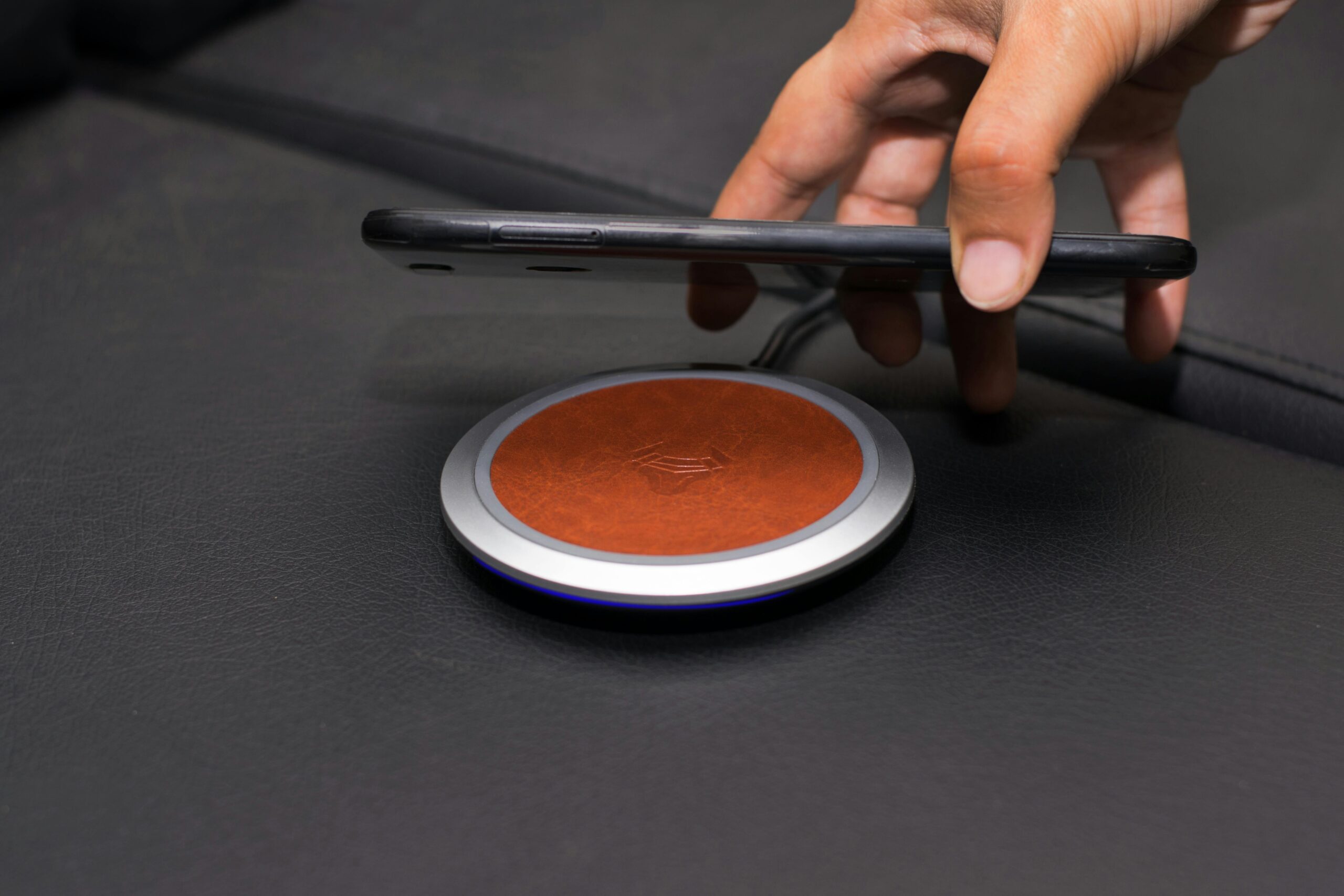
Wireless charging solutions are technologies that transfer electrical power from a charger to a device without using physical cables.
Instead of plugging devices directly into charging ports, users place compatible devices near or on a charging pad or charging surface.
Wireless charging is commonly used for:
- Smartphones
- Smartwatches
- Earbuds
- Tablets
- Laptops
- Electric vehicles
- Medical devices
This technology provides a more convenient and organized charging experience.
How Wireless Charging Works
Most wireless charging systems use electromagnetic induction.
Electromagnetic Induction
Wireless charging involves two main components:
- A transmitter coil inside the charging pad
- A receiver coil inside the device
When electricity passes through the transmitter coil, it creates an electromagnetic field that transfers energy to the receiver coil.
The receiver then converts this energy into electrical power to charge the battery.
Resonant Wireless Charging
More advanced systems use resonant charging technology.
This method allows:
- Greater charging distances
- Multiple device charging
- Improved flexibility
Resonant charging is increasingly used in larger devices and industrial applications.
Popular Types of Wireless Charging Solutions
Wireless charging technology now comes in several forms.
Charging Pads
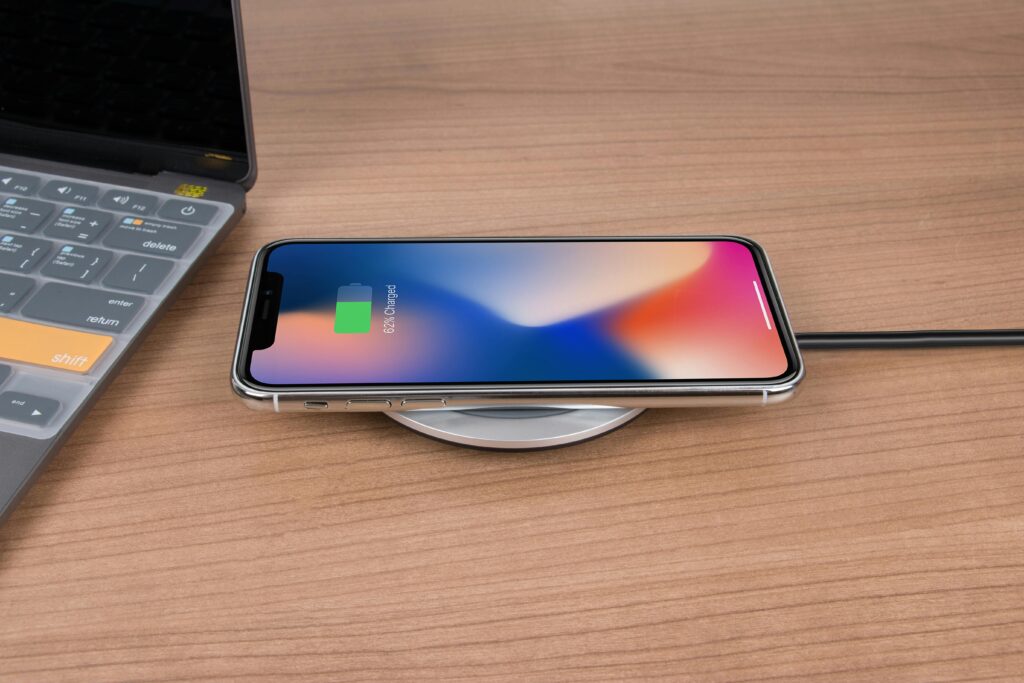
Charging pads are the most common wireless charging solution.
Features
- Flat surface design
- Smartphone compatibility
- Easy placement
- Compact size
These chargers are widely used at home and in offices.
Wireless Charging Stands
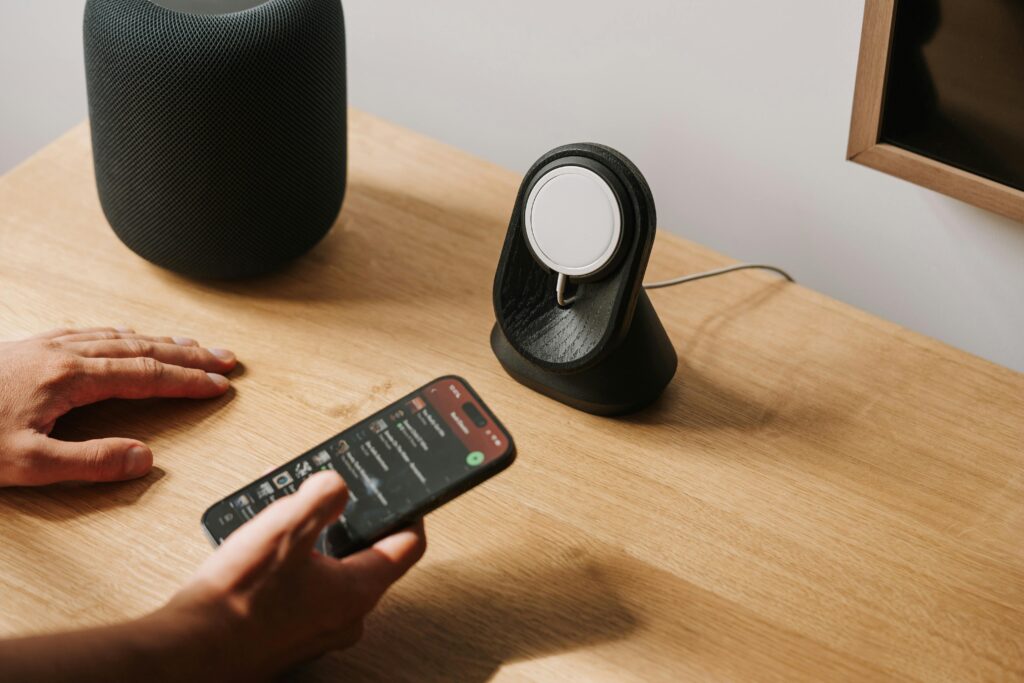
Charging stands hold devices upright during charging.
Benefits
- Better visibility
- Convenient video viewing
- Easy notification access
They are especially popular for office desks and bedside tables.
Multi-Device Wireless Chargers
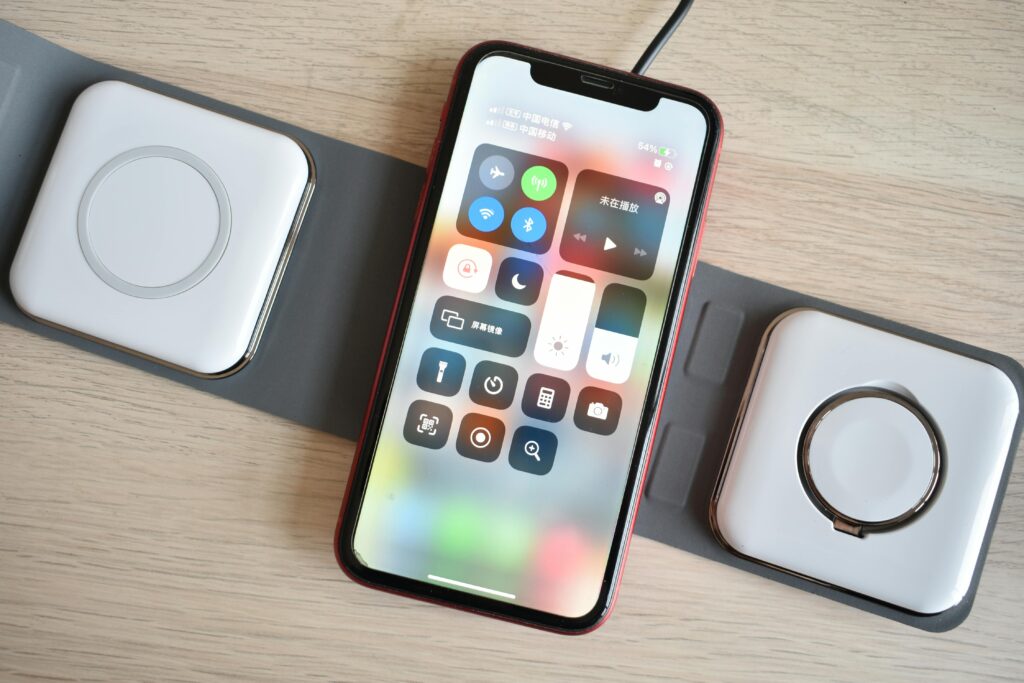
Modern households often own several wireless devices.
Multi-device chargers can charge:
- Smartphones
- Earbuds
- Smartwatches simultaneously
These systems reduce cable clutter.
Furniture-Integrated Charging

Wireless charging is increasingly integrated into:
- Tables
- Desks
- Lamps
- Nightstands
This creates cleaner and more modern spaces.
Vehicle Wireless Charging
Many modern vehicles now include built-in wireless charging pads.
Drivers can charge phones without cables while traveling.
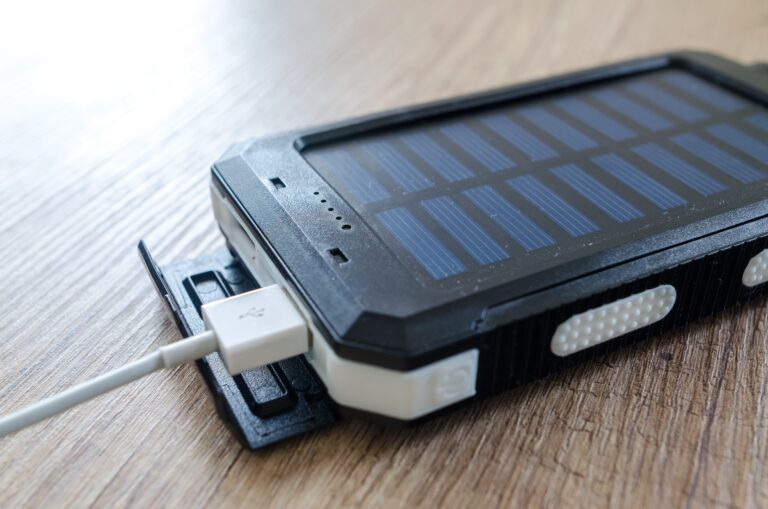
Wireless Power Banks
Portable wireless chargers provide mobile charging convenience.
These are ideal for:
- Travel
- Outdoor use
- Remote work
Benefits of Wireless Charging Solutions
Wireless charging offers several important advantages.
1. Convenience
The biggest advantage is convenience.
Users simply place devices on charging surfaces instead of plugging in cables.
2. Reduced Cable Clutter
Wireless charging helps create cleaner and more organized environments.
This is especially valuable in:
- Offices
- Bedrooms
- Kitchens
- Vehicles
3. Reduced Port Wear
Frequent cable plugging can damage charging ports.
Wireless charging reduces physical wear on devices.
4. Enhanced Safety
Modern wireless systems often include:
- Temperature monitoring
- Overcharge protection
- Foreign object detection
These improve charging safety.
5. Smart Home Integration
Wireless charging supports modern smart home ecosystems.
Many systems integrate with:
- Smart furniture
- Voice assistants
- Automation platforms
Wireless Charging Standards
Several industry standards support wireless charging compatibility.
Qi Wireless Charging
Qi is the most widely used wireless charging standard.
It is supported by many brands including:
- Apple
- Samsung
Qi certification improves compatibility between devices and chargers.
MagSafe Technology
Apple introduced MagSafe for enhanced wireless charging alignment.
Benefits include:
- Faster charging
- Magnetic attachment
- Improved efficiency
Fast Wireless Charging
Newer wireless chargers support higher power levels for faster charging speeds.
Fast charging reduces waiting times significantly.
Smart Home and Wireless Charging
Wireless charging increasingly supports connected living environments.
Automated Charging Stations
Smart homes can include centralized charging areas for multiple devices.
Voice Assistant Integration
Some systems work with:
- Amazon Alexa
- Google Assistant
Users can control charging schedules using voice commands.
Smart Energy Management
Connected charging systems may monitor:
- Energy usage
- Charging schedules
- Battery health
This improves efficiency.
Wireless Charging in Offices
Modern workplaces increasingly use wireless charging technology.
Desk Charging Solutions
Office desks now often include built-in wireless charging pads.
This improves:
- Workspace organization
- Productivity
- Convenience
Public Charging Stations
Wireless charging stations are appearing in:
- Airports
- Hotels
- Cafes
- Libraries
Public access improves mobile device convenience.
Wireless Charging for Electric Vehicles
Electric vehicle charging is also evolving toward wireless solutions.
Inductive EV Charging
Some systems allow electric cars to charge wirelessly while parked.
Benefits include:
- Greater convenience
- Reduced cable handling
- Simplified charging
Dynamic Wireless Charging
Future roads may eventually support charging while vehicles are moving.
This technology is still under development.
Challenges of Wireless Charging Solutions
Despite many advantages, there are still some limitations.
Slower Charging Speeds
Wireless charging is often slower than wired fast charging.
However, technology continues improving.
Heat Generation
Wireless systems may produce more heat during charging.
Excessive heat can affect battery health over time.
Device Compatibility
Not all devices support wireless charging.
Compatibility should always be checked before purchasing chargers.
Positioning Sensitivity
Devices must often be placed correctly on charging surfaces.
Misalignment can reduce charging efficiency.
Higher Costs
Wireless charging accessories may cost more than traditional chargers.
Environmental Impact and Sustainability
Wireless charging may contribute to more sustainable technology usage.
Reduced Cable Waste
Fewer charging cables reduce electronic waste.
Longer Device Lifespan
Reduced charging-port wear may extend device durability.
Energy Efficiency Improvements
New technologies are improving charging efficiency and reducing power loss.
Future Trends in Wireless Charging Solutions
Wireless charging technology continues advancing rapidly.
Long-Distance Wireless Charging
Researchers are developing systems capable of charging devices from greater distances.
This could eventually eliminate charging pads entirely.
Entire-Room Wireless Power
Future environments may include rooms capable of wirelessly powering multiple devices simultaneously.
Improved Charging Speeds
Wireless charging may eventually match or exceed wired charging performance.
Wider Device Adoption
More electronics categories are adopting wireless charging, including:
- Laptops
- Gaming accessories
- Kitchen electronics
- Medical devices
Smarter AI-Managed Charging
Artificial intelligence may optimize:
- Battery health
- Charging schedules
- Energy consumption
Tips for Choosing Wireless Charging Solutions
Choosing the right charger depends on several factors.
Check Device Compatibility
Ensure chargers support your device’s charging standard.
Consider Charging Speed
Higher wattage chargers provide faster charging.
Choose Certified Products
Certified chargers improve:
- Safety
- Reliability
- Performance
Evaluate Design and Placement
Consider where the charger will be used:
- Desk
- Bedroom
- Vehicle
- Travel bag
Look for Safety Features
Good chargers include:
- Overheat protection
- Surge protection
- Foreign object detection
Is Wireless Charging Worth It?
For many users, wireless charging offers meaningful convenience and simplicity.
Key Benefits
- Cleaner spaces
- Easier charging
- Reduced cable wear
- Better organization
- Smart home compatibility
Although wired charging still provides advantages for speed in some situations, wireless technology continues improving rapidly.
Final Thoughts
Wireless charging solutions are reshaping the future of personal electronics, smart homes, offices, and transportation systems. By removing cables and simplifying power delivery, wireless charging creates cleaner, more efficient, and more convenient environments.
At Daily Insight Journal, we believe emerging technologies should improve everyday life through smarter and more user-friendly solutions. Wireless charging is a perfect example of how innovation can simplify routine tasks while supporting modern digital lifestyles.
From smartphones and smartwatches to electric vehicles and smart furniture, wireless charging technology is becoming increasingly integrated into daily life. As charging speeds improve and long-distance wireless power develops further, the future may become almost entirely cable-free.
Consumers who invest in reliable wireless charging systems today can enjoy improved convenience, cleaner workspaces, and a more modern technology experience.
For more technology guides, smart living insights, and digital lifestyle trends, continue visiting Daily Insight Journal.