Solar Powered Electronics: The Future of Sustainable and Smart Technology
As the world continues moving toward cleaner energy and environmentally responsible living, solar powered electronics are becoming increasingly important in modern technology. From solar chargers and outdoor lighting to portable generators and smart gadgets, solar-powered devices are helping consumers reduce electricity usage while embracing sustainable energy solutions.
Advancements in solar panel efficiency, battery storage, and portable electronics have made solar-powered technology more practical, affordable, and accessible than ever before. Today, people use solar electronics in homes, offices, outdoor activities, emergency preparedness, and even transportation systems.
At Daily Insight Journal, we explore emerging technologies and innovations shaping modern lifestyles. In this detailed guide, we will discuss everything about solar powered electronics, including how they work, their benefits, popular devices, energy efficiency, sustainability impact, challenges, future trends, and tips for choosing the right solar-powered gadgets.
What Are Solar Powered Electronics?
Solar powered electronics are devices that use solar energy to operate or recharge batteries.
These electronics use solar panels to capture sunlight and convert it into electrical energy.
Solar-powered devices may:
- Operate directly from sunlight
- Store energy in rechargeable batteries
- Use hybrid charging systems
The technology supports cleaner and more sustainable energy consumption.
How Solar Powered Electronics Work
Solar-powered electronics rely on photovoltaic technology.
Photovoltaic Solar Cells
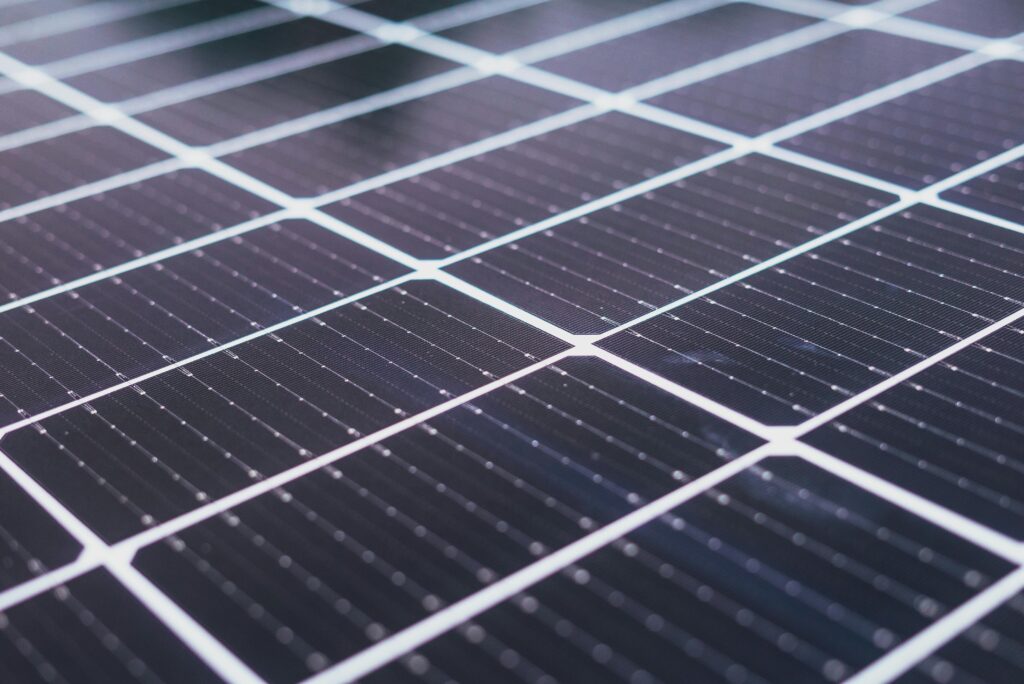
Solar panels contain photovoltaic cells that absorb sunlight.
These cells convert solar energy into electricity through a chemical process involving semiconductors.
The electricity generated can:
- Power devices directly
- Recharge internal batteries
- Store energy for later use
Battery Storage Systems

Many solar electronics include rechargeable battery systems.
This allows devices to:
- Continue operating at night
- Store excess energy
- Improve portability
Battery technology plays a major role in solar device performance.
Why Solar Powered Electronics Are Becoming Popular
Several factors are driving the growth of solar technology.
Environmental Awareness
Consumers increasingly seek eco-friendly alternatives to traditional energy sources.
Solar energy helps reduce:
- Carbon emissions
- Fossil fuel dependence
- Environmental pollution
Rising Energy Costs
Higher electricity prices encourage people to adopt energy-saving technologies.
Solar-powered devices help lower energy expenses.
Portable Energy Solutions
Modern lifestyles require flexible and mobile power systems.
Solar electronics are ideal for:
- Travel
- Outdoor activities
- Emergency situations
Technological Improvements
Advancements in:
- Solar panel efficiency
- Battery storage
- Smart electronics
have significantly improved product performance.
Benefits of Solar Powered Electronics
Solar-powered devices offer several important advantages.
1. Renewable Energy Source
Solar power is one of the cleanest renewable energy sources available.
Sunlight is naturally abundant and sustainable.
2. Reduced Electricity Costs
Solar devices lower dependence on traditional electrical grids.
Over time, this can reduce utility bills.
3. Portability and Flexibility
Many solar-powered electronics are portable and ideal for:
- Camping
- Outdoor work
- Remote travel
4. Emergency Backup Power
Solar electronics provide valuable backup power during:
- Power outages
- Natural disasters
- Emergency situations
5. Eco-Friendly Technology
Solar devices reduce greenhouse gas emissions and environmental impact.
Popular Types of Solar Powered Electronics
Solar technology is now used in many consumer electronics categories.
Solar Chargers
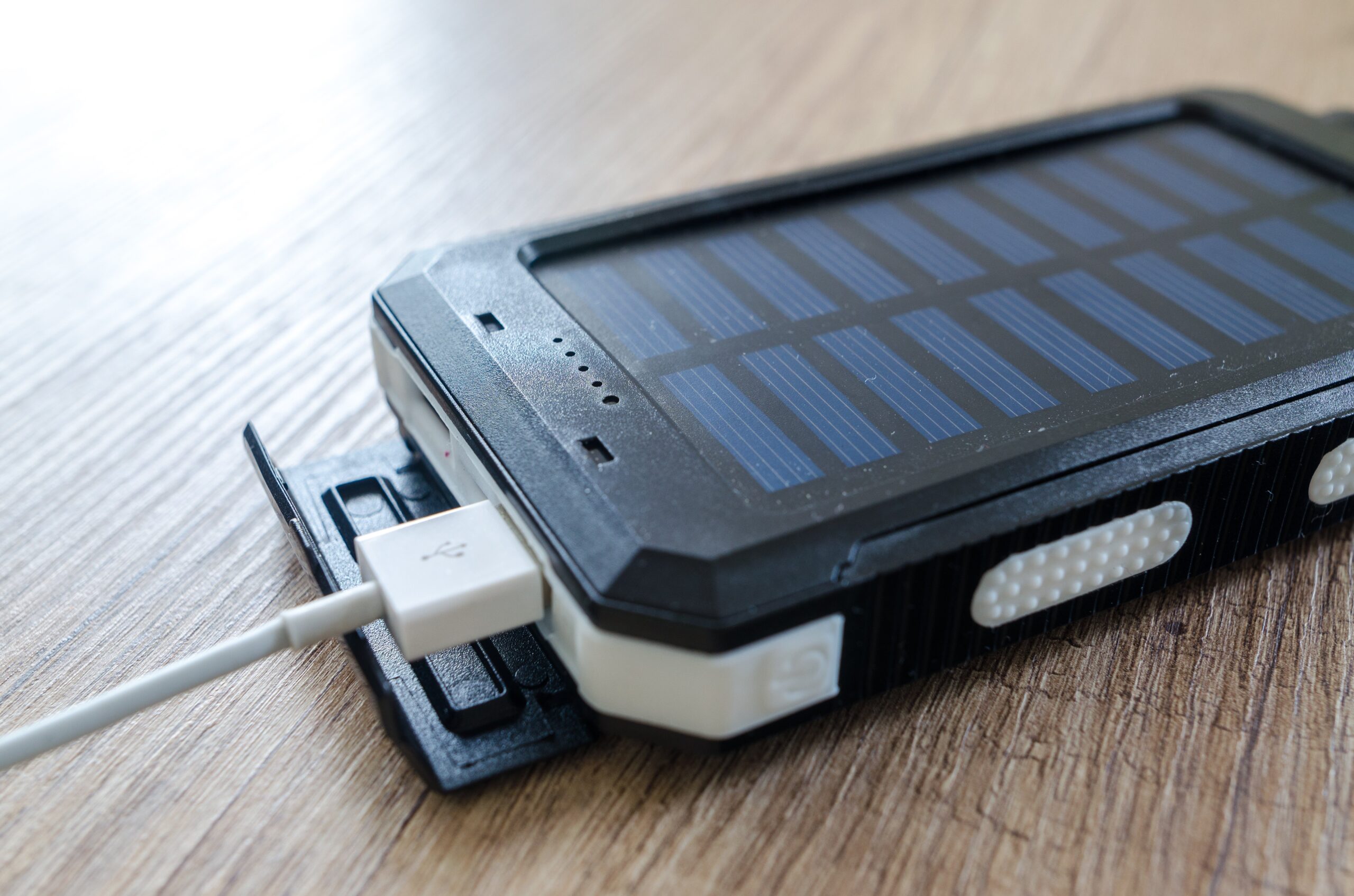
Portable solar chargers are among the most popular solar electronics.
Common Uses
- Charging smartphones
- Tablets
- Power banks
- Cameras
Portable chargers are ideal for outdoor activities and travel.
Solar Power Banks
Solar power banks combine battery storage with solar charging capability.
Benefits include:
- Mobile charging
- Backup energy
- Travel convenience
Solar Outdoor Lighting
Outdoor solar lights are widely used in:
- Gardens
- Pathways
- Security systems
These systems charge during the day and operate automatically at night.
Solar Security Cameras
Modern solar-powered security systems offer:
- Wireless installation
- Reduced wiring
- Continuous monitoring
Solar cameras are especially useful in remote areas.
Solar Bluetooth Speakers
Portable solar speakers combine entertainment with renewable energy.
These devices are popular for:
- Camping
- Beach trips
- Outdoor gatherings
Solar Powered Fans
Solar fans provide energy-efficient cooling solutions.
They are useful in:
- Outdoor spaces
- Greenhouses
- Emergency cooling situations
Solar Generators
Portable solar generators provide backup electricity for:
- Homes
- Camping
- RV travel
- Emergency preparedness
They can power:
- Small appliances
- Lights
- Laptops
- Medical devices
Solar Smart Home Devices
Smart homes increasingly integrate solar-powered technology.
Examples include:
- Solar sensors
- Solar smart lights
- Solar irrigation systems
These reduce overall household energy consumption.
Solar Powered Electronics and Sustainability
Solar electronics support environmentally responsible living.
Reduced Carbon Footprint
Solar power reduces dependence on fossil-fuel-generated electricity.
This lowers greenhouse gas emissions.
Cleaner Energy Production
Solar energy produces electricity without:
- Air pollution
- Noise pollution
- Fuel combustion
Reduced Resource Consumption
Solar-powered devices often require fewer disposable batteries and less grid electricity.
Energy Independence
Solar technology allows users to generate their own power.
This supports more resilient energy systems.
Smart Technology and Solar Integration
Modern electronics increasingly combine solar power with smart technology.
Smart Energy Monitoring
Some devices include apps that track:
- Solar charging levels
- Battery performance
- Energy consumption
Automated Energy Management
Smart systems may automatically optimize:
- Charging cycles
- Power distribution
- Battery health
Smart Home Compatibility
Solar devices can integrate with:
- Smart lighting systems
- Home automation platforms
- Security systems
Challenges of Solar Powered Electronics
Despite many benefits, solar-powered devices also face limitations.
Dependence on Sunlight
Solar charging performance depends heavily on sunlight availability.
Cloudy weather may reduce efficiency.
Slower Charging Speeds
Some solar chargers recharge more slowly than traditional wired power systems.
Battery Limitations
Battery capacity affects:
- Runtime
- Charging cycles
- Device longevity
Initial Costs
High-quality solar electronics may have higher upfront prices.
However, long-term energy savings can offset costs.
Durability Concerns
Outdoor solar devices must withstand:
- Rain
- Heat
- Dust
- Weather exposure
Build quality is important.
Choosing the Right Solar Powered Electronics
Consumers should evaluate several factors before purchasing solar devices.
Understand Your Power Needs
Different devices require different energy capacities.
For example:
- Smartphones require small chargers
- Appliances need larger generators
Check Solar Panel Efficiency
More efficient panels generate better performance in limited sunlight.
Evaluate Battery Capacity
Larger batteries provide longer operating times.
Consider Portability
Travel users may prefer lightweight and foldable designs.
Look for Weather Resistance
Outdoor devices should include:
- Waterproofing
- Dust resistance
- Durable construction
Read Reviews Carefully
Customer reviews help identify:
- Reliability
- Real-world charging performance
- Product quality
Future Trends in Solar Powered Electronics
Solar technology continues evolving rapidly.
Higher Efficiency Solar Panels
New materials are improving energy conversion rates.
Future devices may charge faster using smaller panels.
Flexible Solar Panels
Flexible solar technology allows integration into:
- Clothing
- Backpacks
- Windows
- Portable surfaces
AI-Optimized Energy Systems
Artificial intelligence may improve:
- Charging efficiency
- Battery management
- Energy forecasting
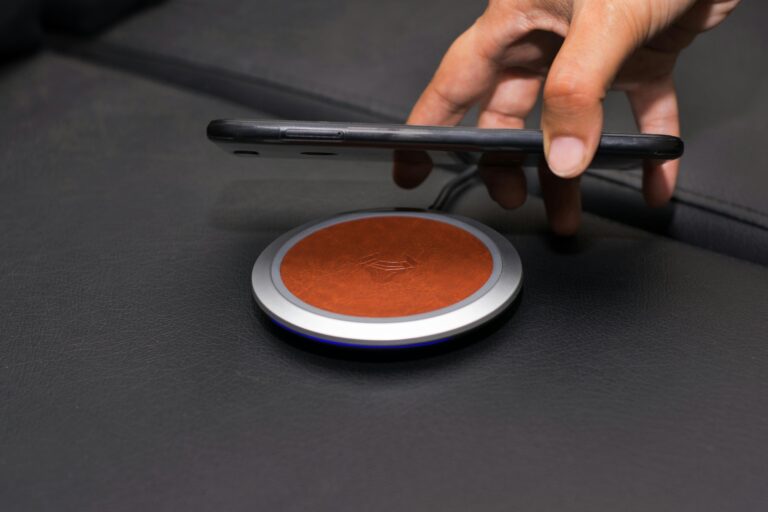
Wireless Solar Charging
Future systems may combine:
- Solar energy
- Wireless charging technologies
This could further simplify device charging.
Expanded Smart City Applications
Solar electronics may increasingly support:
- Smart transportation
- Public infrastructure
- Environmental monitoring
Is Investing in Solar Powered Electronics Worth It?
For many consumers, solar-powered electronics provide practical and sustainable benefits.
Major Advantages
- Renewable energy use
- Reduced electricity costs
- Portable power solutions
- Emergency backup capability
- Eco-friendly operation
The value depends on:
- Usage needs
- Product quality
- Environmental conditions
Final Thoughts
Solar powered electronics represent one of the most promising advancements in sustainable consumer technology. By combining renewable energy with smart devices and portable power systems, solar electronics help create cleaner, more efficient, and more environmentally responsible lifestyles.
At Daily Insight Journal, we believe modern technology should improve convenience while supporting sustainability and long-term environmental health. Solar-powered devices demonstrate how innovation can reduce dependence on traditional energy sources without sacrificing functionality or comfort.
From solar chargers and outdoor lighting to portable generators and smart home devices, solar-powered electronics continue expanding into nearly every aspect of modern life. As solar technology becomes more advanced and affordable, its role in everyday electronics will likely grow even further.
Consumers who invest in quality solar-powered devices today can enjoy energy savings, greater flexibility, and a more sustainable approach to modern technology.
For more technology insights, sustainable living guides, and smart home trends, continue visiting Daily Insight Journal.